

United Nations, Apr 27 (IPS) – The Eleventh Review Conference of the Parties to the Treaty on the Non-Proliferation of Nuclear Weapons (NPT) will take place at the United Nations in New York from 27 April to 22 May 2026.
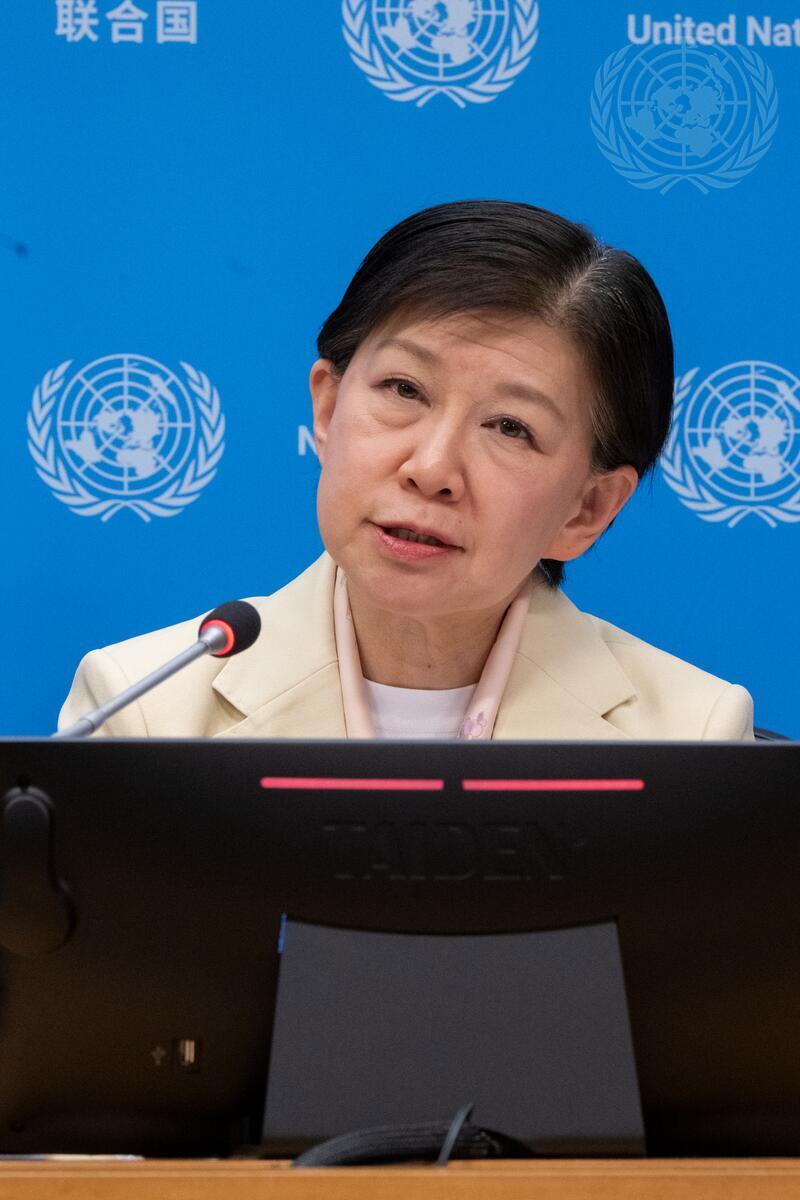
“The NPT “It is often referred to as the cornerstone of the international disarmament and non-proliferation regime and a very important pillar of international peace and security,” said Izumi Nakamitsu, Under-Secretary-General of the UN Office for Disarmament Affairs (ODA).
The NPT came into force in 1970 and was extended indefinitely in 1995. This landmark international treaty calls on all signatories to prevent the proliferation of nuclear weapons and above all to promote nuclear disarmament and encourage more peaceful uses of nuclear energy. It is the only legally binding agreement that nuclear powers adhere to, with 191 countries, both nuclear and non-nuclear, having signed the treaty. Review conferences are typically held at five-year intervals starting in 1970 (the conference originally scheduled for 2020 was delayed due to the COVID-19 pandemic and later held in 2022).
The chairperson of the conference is Do Hung Viet, Permanent Representative of Vietnam to the United Nations. The conference is expected to begin with a general debate during the first week, followed by thematic discussions under each of the treaty’s three pillars.
It will be attended by high level representatives including Foreign Ministers as well as senior representatives of major international organizations. Additional events will be organized in parallel to the thematic discussions by attending members of civil society. This year’s conference will assess the implementation of the NPT since the last review conference, which ended without countries agreeing on a final outcome document.
Before the conference, Nakamitsu spoke to reporters at UN Headquarters on 24 April. He remarked that States Parties should take this meeting as an opportunity to unite on common ground when it comes to nuclear non-proliferation. Ultimately, country representatives would like to avoid both an increase in proliferation and the deliberate use of nuclear weapons. State parties will have a collective responsibility to reach consensus on the outcome document, Nakamitsu said.
The NPT review conference will be held during a period of deepening geopolitical tensions, with major nuclear powers embroiled in regional conflicts. The current military conflict in Iran and, in particular, the war in Ukraine from 2022, have led to Change in attitude of countries About nuclear proliferation.
Some experts have claimed that this situation has led to a new arms race as more countries are discussing “improving” nuclear weapons and even expanding their purchases of nuclear weapons themselves, as some view the weapons as “the ultimate guarantor of national security.” Regardless of the formal governments’ position on the NPT, Nakamitsu acknowledged this as a “proliferation driver” or growing public sentiment for nuclear proliferation. He also expressed concern over increasing rhetoric threatening the use of nuclear weapons, warning that the more countries with nuclear weapons, the greater the risk of using nuclear weapons by mistake or miscalculation.
Nakamitsu said, “Prevention of the use of nuclear weapons also needs to be one of the main focuses of the conference because when it comes to nuclear weapons, it is not just the security of one or two countries; it transcends borders. It is the security of all of us.” “We need to end the false narrative that more nuclear weapon states will guarantee our security.”
The “shared sense of crisis” within all state parties may actually encourage them to “protect and maintain” the NPT. Despite this, Nakamitsu warned that with increasing liberalism toward nuclear weapons, it posed a risk to the gains made after the end of World War II and throughout the Cold War.
The rapid rise of certain technologies in the current strategic security environment will also be a factor in the discussion. The advent of artificial intelligence has sparked great debate within the international community regarding its application in certain areas and the risk of misuse without proper security.
In December 2024 itself, the United Nations General Assembly passed a Resolution Which details the use of AI in the military sector and ‘its implications for international peace and security’, although it should be noted that there is no reference to the use of AI in the context of nuclear weapons.
Asked whether the issue of AI in military-nuclear nexus would be discussed during the NPT summit, Nakamitsu said “discussions are starting on various platforms” on the integration of AI into the nuclear command and communications channel, and further consultations would also be held in Geneva this year. The NPT conference cannot be the forum for further discussion on this issue or regarding AI governance in the military context. However, this is something that States Parties agree will require scrutiny, including placing guardrails on the use of AI in the military sector.
“There is a growing awareness that when it comes to command and control of nuclear weapons, humans obviously have to be in charge,” Nakamitsu told Inter Press Service.
According to Nakamitsu, challenges facing the international world, particularly in the context of conflicts in Europe and the Middle East, are placing “significant pressure on the treaty”.
But this is what makes the NPT Review Conference and its outcomes all the more relevant. A shared understanding that nuclear proliferation will only lead to greater instability and insecurity will drive member states to engage in critical talks over the next four weeks. It should also provide a shared commitment to uphold the principles of the NPT to its end.
IPS UN Bureau Report
© Inter Press Service (202604271111202) – All rights reserved. Original source: Inter Press Service
