

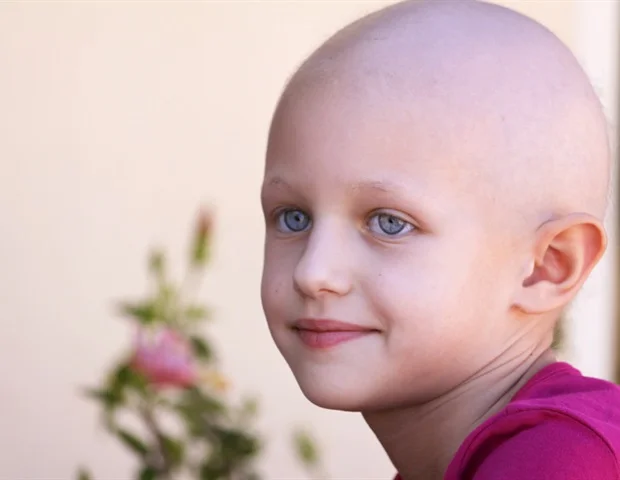
Early exposure to a group of widely used compounds, known as “forever chemicals,” was linked to a higher risk of acute lymphoblastic leukemia, the most common childhood cancer, according to researchers at the University of California, Irvine Joe C. Wayne School of Population and Public Health.
The findings were recently published Journal of Exposure Science and Environmental EpidemiologyA Nature Journal.
PFAS are found in drinking water, food and beverage containers, and everyday items such as nonstick cookware and stain-resistant clothing. They do not break down easily and can accumulate in the body over time.
The study adds to earlier research from the same team, which tracked PFAS exposure in drinking water among more than 40,000 California children. That work, published in environmental epidemiologyHigh levels of two common PFAS chemicals, PFOA and PFOS, have been linked to an increased risk of several childhood cancers, including acute myeloid leukemia and Wilms tumor.
In their new study, researchers analyzed dried blood spots collected from newborns to get a clearer picture of early exposure. The study involved 125 children with acute lymphoblastic leukemia and 219 children without cancer, all born in Los Angeles County between 2000 and 2015, and identified through the California Linkage Study of Early-Onset Cancer.
Of the 17 PFAS found in newborn blood, PFOA and PFOS appeared at the highest levels. Children with high levels had an increased chance of developing leukemia, although estimates were not precise. The risk also appeared to increase with combined exposure to both chemicals.
The researchers also identified 26 additional PFAS compounds, many of which showed similar patterns, some of which have rarely been studied.
Stronger associations were seen among non-Hispanic children, although the researchers cautioned that these findings are preliminary due to the small sample size.
This research moves us closer to understanding what babies are exposed to early on by directly measuring PFAS present at birth, rather than estimating exposure from drinking water. “By capturing exposure during a critical period of development, we are getting a clearer picture of how environmental pollutants may contribute to childhood cancer risk.”
Veronica Vieira, corresponding author, chair and professor of environmental and occupational health at Wayne Public Health
The study doesn’t prove cause and effect, but it adds to growing evidence that PFAS exposure early in life may contribute to cancer risk in children.
As PFAS contamination remains widespread, researchers say more studies are needed to understand how this persistent class of chemicals, most of which remain largely unmonitored, may affect children’s health and how to reduce exposure at the population level.
The research was supported by a National Institutes of Health grant.
Additional authors include UC Irvine’s Natalie R. Binzewski; Sheng Liu, Jeremy Koelmel and Crystal J. of Yale University. Godri Polit; Libby M. Morimoto and Katherine Metayer of UC Berkeley; Joseph L. of the University of Southern California Vimels; and Xiaomi Ma of Yale School of Public Health.
Source:
Journal Reference:
Vieira, VM, And others. (2026). Targeted and non-targeted analysis of per- and polyfluoroalkyl substances in newborn dried blood spots and risk of childhood acute lymphoblastic leukemia. Journal of Exposure Science and Environmental Epidemiology. DOI: 10.1038/s41370-026-00891-6https://www.nature.com/articles/s41370-026-00891-6
