

New supreme leader Mojtaba Khamenei says the country must defeat its enemies through economic and cultural struggle as well as militarily.
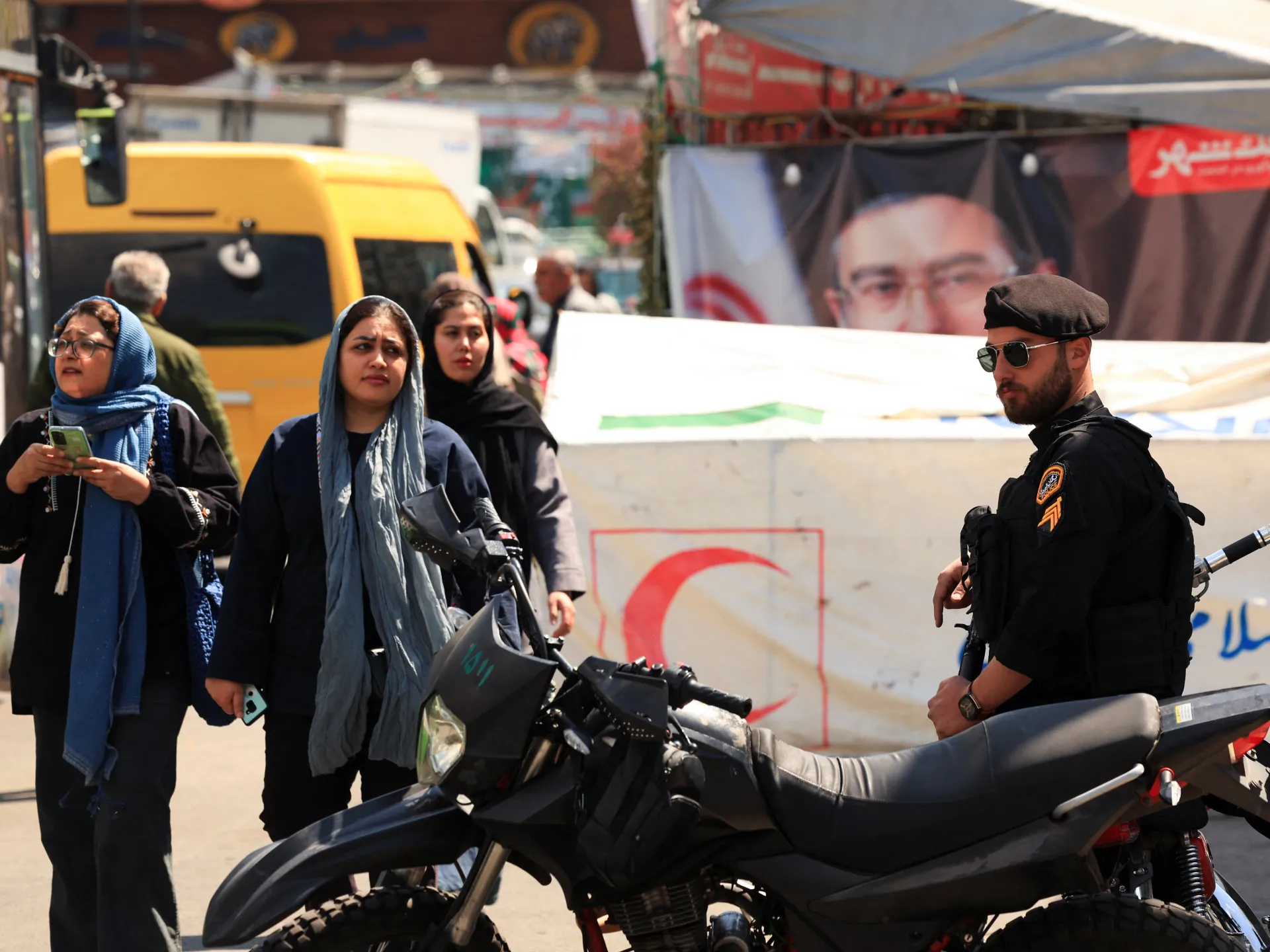
Tehran, Iran – Prices are rising in Iran, and millions of jobs have been lost or put on hold as the economic damage from the war with the US and Israel increases.
Food and medicine, cars, electrical appliances and petrochemical products are among the many items for which Iranians had to pay much more this Saturday, the first day of the work week, than last week.
Recommended Stories
list of 3 itemsend of list
A toxic mix of local mismanagement, bombings of Iran’s infrastructure, US sanctions and a naval blockade, plus a nearly complete internet shutdown imposed by authorities in Tehran – now in its 64th day – is hurting the economy in the country of more than 90 million people.
The national currency, the rial, hit a new all-time low of 1.84 million against the US dollar in the open market in Tehran. Currency deals remained low amid market fluctuations.
A similar situation is unfolding in other markets, where sellers and customers are unsure how to proceed in light of how much worse things could get, and whether new products will arrive or not.
Amid low or halted supplies, some sellers were raising prices at a pace rarely seen during more than a decade of dealing with one of the world’s highest inflation rates.
The 256GB iPhone 17 Pro Max, which Apple has priced at $1,200 in the US, was being offered by some stores in the capital for about 5 billion riyals ($2,750). Others were refusing to sell.
The Peugeot 206, a modest French passenger car now also produced and popular in Iran, is priced at 30 billion riyals ($16,500).
Imported cars are even harder to find, and are being put up for sale at even higher prices, sometimes more than five times the price of neighboring markets such as the UAE.
State television confirmed “daily” price increases in the car market in a report on Friday, but blamed “psychological” factors linked to inflation and “fake prices” promoted by greedy sellers trying to profit from the unrest.
The monthly minimum wage in Iran is currently less than 170 million rials ($92), and this is after the government raised it by nearly 60 percent for the current Persian calendar year that began March 21. The government is also subsidizing food and essential commodities to less than $10 per person per month.
“You look at prices and salaries, and you see that the numbers don’t add up,” said a Tehran resident speaking on condition of anonymity.
“There’s not much you can do about it except replace what you have with something that won’t depreciate in value or buy something you need that you may not be able to afford later.”
‘Peaks of progress’
The government of President Massoud Pezeshkian has not provided detailed information on how many people have lost their sources of income.
But most major companies operating across the country, from technology companies in Tehran to giant steel producers in Isfahan, have been forced to lay off staff.
A statement on Friday quoted Supreme Leader Mojtaba Khamenei as saying the Islamic Republic had “proved to the world a share of its remarkable capabilities in military confrontation”.
Now, he said, the religious and military establishment must “frustrate and defeat the enemies” in the economic and cultural struggle.
Khamenei, who has not been seen or heard from in person since becoming supreme leader after Ayatollah Ali Khamenei was killed on the first day of the war, said businesses should avoid laying off workers as much as possible, and said Iran was “moving towards the pinnacle of progress and advancement”.
