

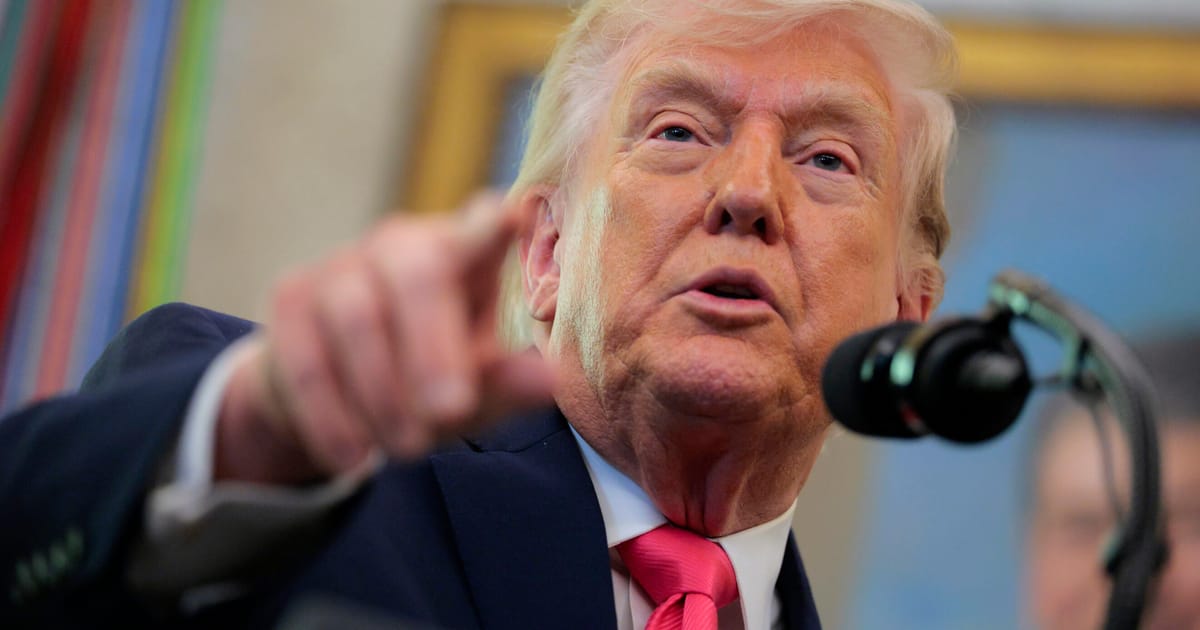
Despite the lack of concrete support, the joint statement from the allies appears to have pleased Washington. “It is normal for President Trump to call on our NATO allies to step up and do more to secure the Strait of Hormuz,” White House press secretary Carolyn Leavitt said. said on sunday. “Now we’re starting to see them answer the president’s call.”
In practice, said Siddharth Kaushal, a senior research fellow and naval military expert at the Royal United Services Institute, Europe could deploy destroyers to help escort Washington’s convoys through the strait, because the US has about 25 heavily armed, missile-capable ships of the type available for immediate deployment around the world.
He argued that Europe could also supply counter-mining capabilities, an area where the US is “significantly constrained”. Germany, Estonia, France, Romania, Belgium, Bulgaria, the Netherlands and the UK together operate about 40 counter-mine ships, compared with four for the US, he said.
“There is a role for a wide range of navies in this,” said a British defense official. He said Britain has begun examining possible options such as sending a Royal Navy ship or commercial ships with autonomous systems to destroy mines as part of a multinational coalition in the strait – but only once the conflict has subsided.
“What is clear,” he continued, “is that there must be some, if not a complete cessation in the rate and scale of combat operations in the area before we can even imagine securing the Straits….”
And until the US ceases hostilities in the region and explains what it wants – and why – its European partners are unlikely to do much.
“Allies are not going to agree to get involved in a war that we didn’t start and have no idea (what the US is going to do),” said one NATO diplomat. For now, “I’m proud of my ‘no.’”
Clea Colcutt contributed reporting from Paris.
