

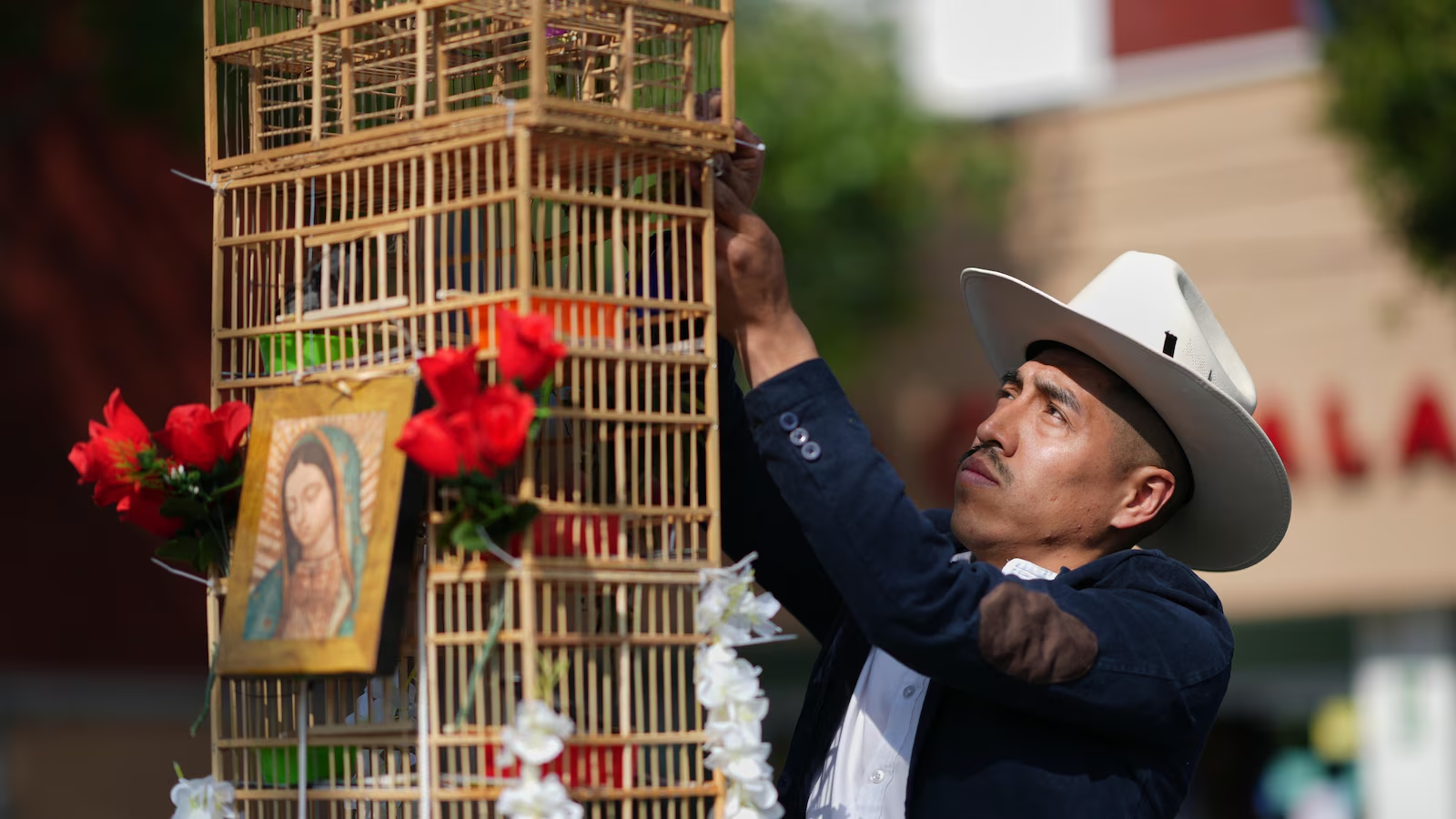
San Bartolo Morelos, Mexico — For 32 years, Cruz Monroy has been roaming the streets of a small town on the edge of Mexico’s capital with a tower of tiny cages filled with a rainbow of birds.
The songs of red cardinals, green and blue parrots and multicolored finches fill the days of “pajareros,” or street bird sellers like him.
The practice of selling birds in stacks of cages – sometimes much taller than the men carrying them – has been passed down for generations. They have long been a fixture in Mexican markets, and are among the 1.5 million street vendors working the streets of Mexico.
“Hearing his songs makes people happy,” Monroy said. The sound of dozens of birdsong echoes from his home in his small town outside the Mexican capital, where he cares for and raises birds. “It is our tradition, my father was also a bird-seller.”
During the Catholic holiday of Palm Sunday, hundreds of pajaros from across the country come to Mexico City and stack 10-foot-high cages, decorating them with bright flowers, tinsel and images of the Virgin of Guadalupe, Mexico’s patron saint.
They walk miles with their birds and their families through the streets of the capital to reach the city’s iconic basilica.
But pajaros have gradually disappeared from the streets in recent years due to increasing restrictions by authorities and sharp criticism from animal rights groups, who call the practice an act of animal abuse and trafficking.
Monroy and others say they don’t catch parrots and other birds banned by Mexican authorities – who say tropical species are “wild birds, not pets” – they often keep the birds they own and take good care of their animals. Despite this, Monroy said the tradition is dying out in his family.
Facing harassment and increasing criticism from officials, he said he wanted his own sons to have more stable jobs.
“Because of the restrictions, the harassment by some authorities, many friends have given up selling birds,” Monroy said. “For my children, this is no longer stable work. We have to find other options.”
