

A severed foot washed up on a remote California beach has been linked to a banker who went missing nearly three decades ago.
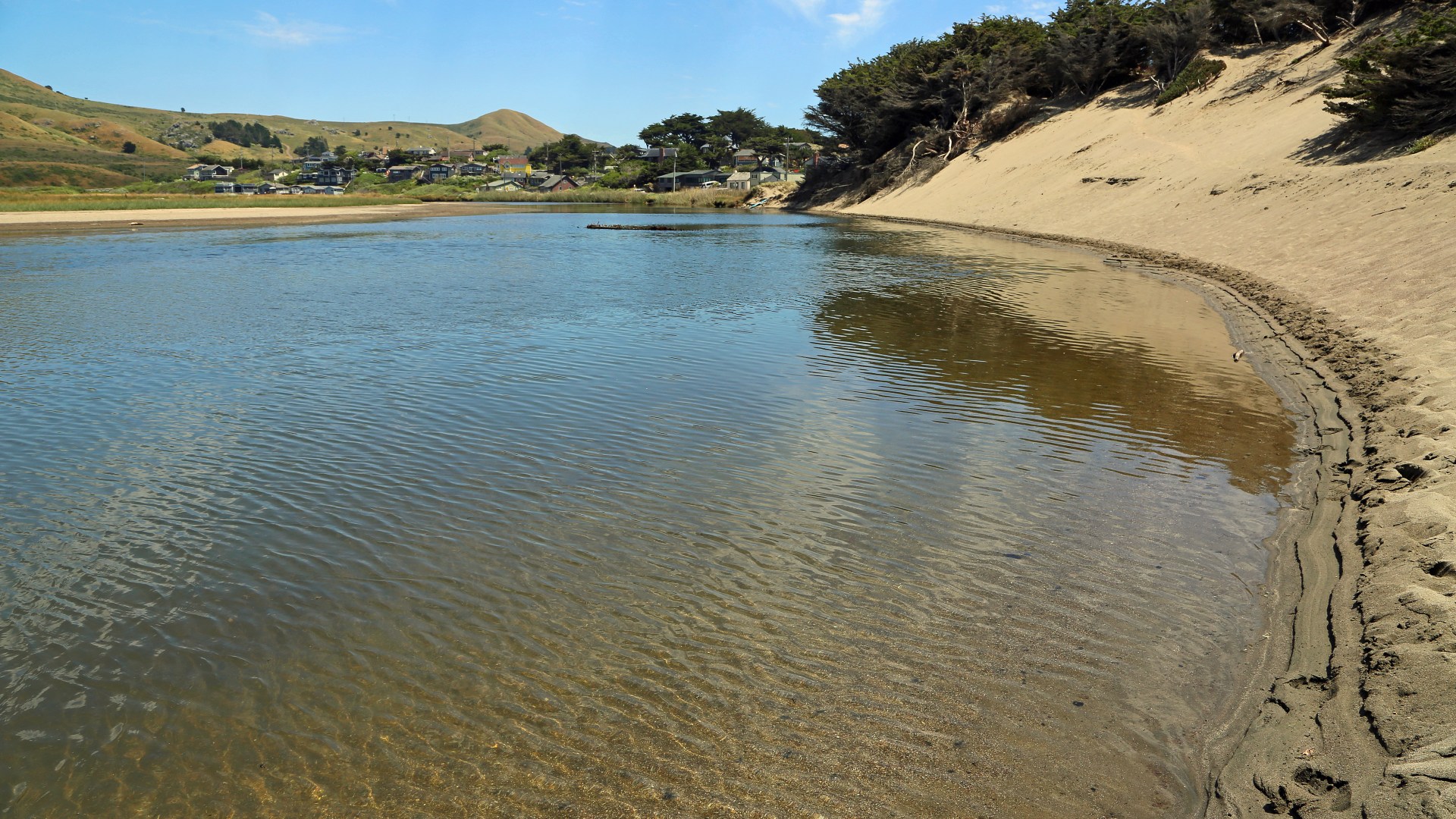
Authorities have confirmed that remains discovered on a Salmon Creek beach are those of long-lost Walter Carl Kinney.
The shocking discovery finally sheds some light on a case in which Kinney was identified as “John Doe” on two separate occasions, decades apart.
In genealogy, “John Doe” refers to someone whose true identity is unknown.
It marks someone referred to but not named in the records, acting as a placeholder until their identity can be established.
Kinney, a former banker from Santa Rosa, disappeared without a trace in August 1999.

terror at sea
How Iran could deploy the Houthis to block the Suez Canal if the rebels enter the war

felonious assault
Ukrainians forced to flee by trains after drone attack on Putin’s maternity hospital
Later that year, a foot was discovered near Bodega Head.
At the time, the only clue was a size 12 running shoe with a custom orthopedic insert.
The case remained quiet until 2003 when a tip from Kinney’s daughter allowed investigators to access her medical records.
To their surprise, X-rays of his feet matched the remains left in the shoes, and Kinney was eventually declared dead.
However, the story did not end here.
In 2022, a family walking on Salmon Creek beach noticed a bone sticking out of the sand.
He was surprised to find that the surgical hardware was still attached to the bone.
This discovery was about five miles from where the first discovery was made.
Authorities immediately got to work, searching the rest of the shoreline for any other human remains.
Despite their best efforts, they were unable to find any other body parts or clues related to the man’s identity.
Then, it appeared that this unique discovery would remain a mystery until a breakthrough was made in March this year.
Law enforcement partnered with the DNA Doe Project, a forensic organization specializing in genetic genealogy.
By using DNA profiles and tracing family trees in San Diego, researchers were able to identify a match.
The DNA of the bone found in 2022 was an exact match to the individual identified in 2003, bringing a fitting end to this curious saga.
DNA Doe Project team leader Tracy Onders said: “This case was unusual – it’s not often that we see someone identified as John Doe twice.
“But thanks to investigative genetic genealogy, we were able to solve this mystery and provide some answers to everyone involved in the case.”
