

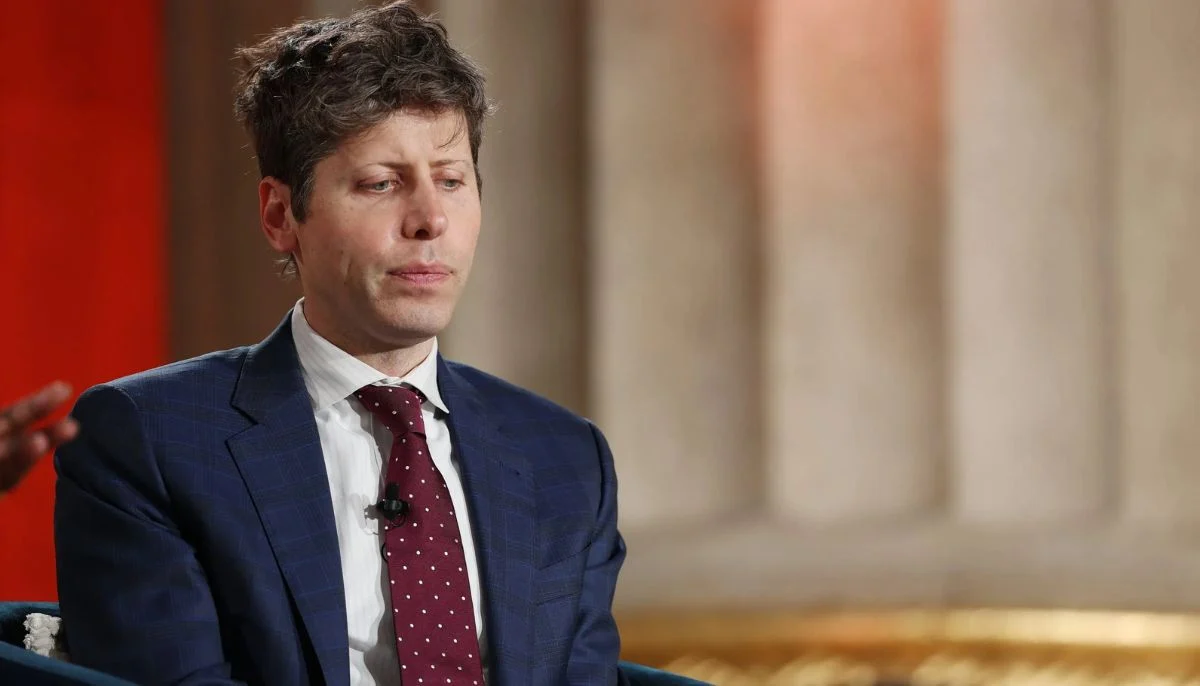
The AI industry is in crisis after OpenAI CEO Sam Altman was allegedly attacked by a 20-year-old man at his home last week.
The incident, which the FBI has described as a targeted plot against AI executives, has sparked heated debate over growing bigotry within the anti-AI movement.
However, the suspect, identified as Moreno-Gama, was caught with a manifesto detailing the existential threat of AI to humanity.
According to the criminal complaints, the document included a hit list that included the names and home addresses of various AI board members, CEOs and investors.
While law enforcement viewed the act as a dangerous escalation, Moreno-Gama’s defense attorneys and parents say he was experiencing a severe mental health crisis and characterized the incident as a property crime.
The attack has exposed a dark corner of the internet where anti-corporate violence is celebrated.
Some users have begun using the term “Luigi-ing” to describe violent acts against tech leaders — a reference to Luigi Mangione, accused of murdering UnitedHealthcare CEO Brian Thompson.
On platforms such as X and Reddit, fringe users dubbed the attacker a “hero”, citing fears that AI will commodify humanity and destroy the global economy.
Mainstream AI security organizations moved quickly to distance themselves from the violence. PosAI, a group advocating for a temporary halt in AI development, confirmed that Moreno-Gama had posted on its public Discord server but clarified that he was never a member.
“We exist to give people a peaceful, democratic way to take action on concerns about AI,” said Maxime Fournes, CEO of PosAI. The company has long advised employees to hide their ID badges outside the office to avoid being targeted.
In response, Chris Lehane, OpenAI’s global policy lead, argued that irresponsible criticisms of AI have real-world consequences. Some technical staff—including those in the alignment field—have publicly expressed disagreement, and have suggested that suppressing legitimate concerns is not the solution.
I believe our work must be to earn trust by making the benefits real, being honest about risks and uncertainty, sharing what we learn, measuring real-world impacts, and supporting public oversight and resilience,” Wolfe said.
“And while I certainly agree that the recent violence is horrible, unjustified, and may have been encouraged by some bad actors, I think it is bad for public discussion to lump all AI critics together as ‘doomers’ and suggest that it is inappropriate for them to express their concerns.”
As AI continues its rapid progress, the movement opposing it is disintegrating. While most lawyers remain committed to peaceful advocacy and policy change, the industry now must grapple with a radicalization that has shifted from anonymous online vitriol to dangerous, in-person action.
