

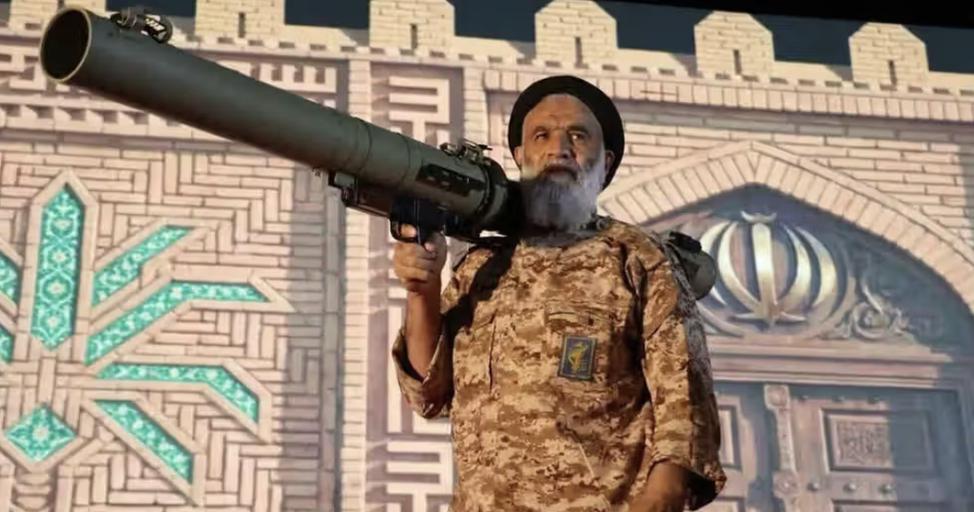
On Friday, August 7, Friday prayer leaders across major Iranian cities used their sermons to reiterate demands for “blood revenge” following the death of former Supreme Leader Ali Khamenei, while expressing fierce opposition to diplomatic engagement and negotiations with the United States
In Ahvaz, Abdul-Nabi Mousavi-Fard, serving as the representative of Mojtaba Khamenei, the third Supreme Leader of the Islamic Republic, declared that Iran is preparing to extend its missile ranges to 15,000 kilometers to directly target the U.S. mainland
Mousavi-Fard stated: “We are preparing so that the American people also experience missile strikes and understand what it means to be dragged through blood and dust.”
He referenced past regional operations, asserting that Iranian missiles already reach Jerusalem at a range of 2,000 kilometers, while chanting “Revenge, Revenge” and calling for the destruction of Israeli Prime Minister Benjamin Netanyahu
In Tehran, interim Friday prayer leader Mohammad Javad Haj-Ali-Akbari stated that military resistance will continue until full retaliation for Ali Khamenei’s death is achieved
He outlined key priorities for confronting adversaries, including the total reinforcement of the armed forces, strikes targeting the Strait of Hormuz and Bab-el-Mandeb, neighborhood diplomacy, national unity, and street enforcement
Haj-Ali-Akbari addressed social issues, characterizing women wearing optional clothing in public as part of a funded campaign: “Unfortunately, we observe the promotion of nudity and inappropriate behavior, exploiting the wartime environment. People are receiving dollars to appear in public with improper attire.”
In Qom, Alireza Arafi directed his sermon at regional governments allied with Washington:
“Borrowed security and begging America for protection will not save you. As long as you align with the enemies of Islam and Iran, the roar of our missiles will threaten you.”
He added that relying on American assurances stems from either “naivety” or “malice,” while reiterating the responsibility of the clergy, the IRGC, and officials to enforce compulsory hijab
In Ardabil, Hassan Amoli cited directives from the late Ali Khamenei during the 12-Day War, identifying intimidation, despair, and internal division as three primary pillars of psychological warfare. He called for direct action against anyone disrupting national unity, regardless of whether they wear clerical robes
In Mashhad, Ahmad Alamolhoda attacked domestic calls for ending the war with the United States, labeling advocates of peace as “hypocrites” (monafiqin)
Alamolhoda compared figures seeking an end to hostilities to dissenters during early Islamic battles
He warned that halting military actions would invite a ground invasion: “If we end the war, America will enter our country and will not stop until it takes our lives.”
