

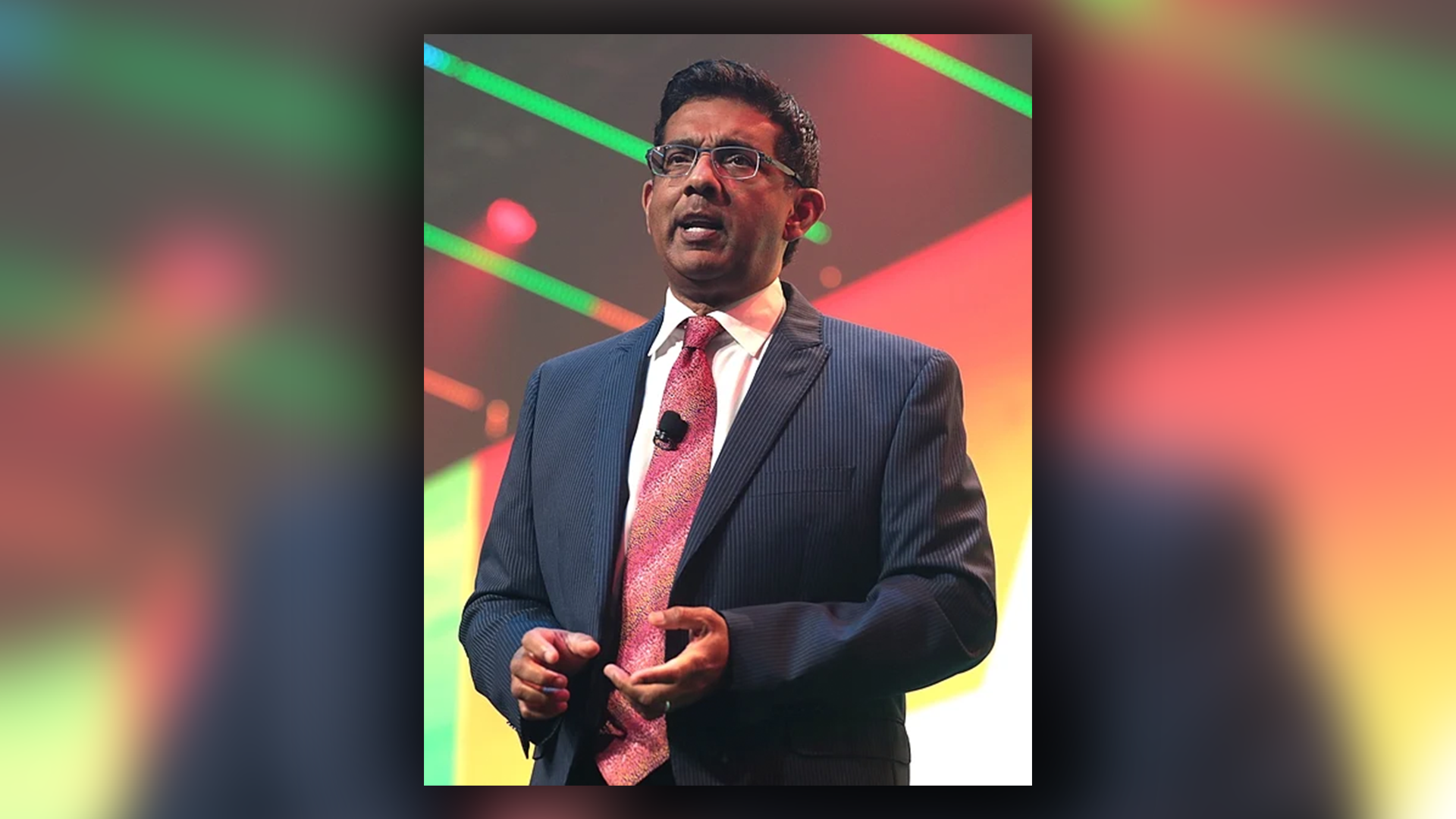
Dinesh D’Souza is an Indian-born American author, political commentator, and documentary filmmaker known for his bestselling books and films on American politics, history, and Christianity. Born in Mumbai in 1961, he came to the United States as an exchange student and graduated from Dartmouth College in 1983. He later served as a policy analyst in the Reagan White House. His work includes The Roots of Obama’s Rage, America: Imagine the World Without Her, and The Big Lie. With The Stones Cry Out, D’Souza turns his attention to biblical archaeology and prophecy.
Book Overview
In The Stones Cry Out: Biblical Archaeology, Prophecy, and the Last Days, Dinesh D’Souza argues that archaeological discoveries provide growing evidence for the Bible’s historical reliability. Drawing on three years of research and visits to excavation sites across Israel, he examines findings connected to biblical figures and events, from the patriarchs and Israel’s kings to the people involved in Jesus’ crucifixion. D’Souza challenges skeptics who dismiss Scripture as myth or religious folklore, urging readers to examine the physical evidence for themselves. He then moves from history to prophecy, connecting biblical passages to the modern State of Israel and current world developments. If archaeology strengthens the case for the Bible’s historical claims, he argues, its prophecies about the future—and the possibility of the last days—deserve serious consideration.
Key Subjects: Archaeology and Biblical History
• The patriarchs: Evidence associated with the early figures and settings of the biblical narrative.
• King David and Solomon: Archaeological findings related to Israel’s monarchy and ancient Jerusalem.
• The Exodus and ancient Egypt: Discoveries and historical theories concerning Moses, Egypt, and Israel’s emergence.
• Thutmose II and Hatshepsut: The discovery
• Thutmose II and Hatshepsut: The discovery of Thutmose II’s tomb in 2025 and the proposed—but unproven—connection between Hatshepsut and the biblical account of the Egyptian princess who rescued Moses.
• Jericho and Sodom: Archaeological sites and debates surrounding biblical accounts of destruction.
• Jesus and the Passion: Evidence associated with the world of Jesus, Jerusalem, and the events surrounding His crucifixion.
• Modern Israel: D’Souza examines the restoration of Israel and its possible relationship to biblical prophecy, including passages in Isaiah and Ezekiel.
• The last days: He asks whether contemporary
• The last days: He asks whether contemporary developments indicate that the world is approaching the final age described in Scripture.
• Changing moral values: The book invokes a “transvaluation of values”—a dramatic reversal of accepted moral standards—as a possible feature of the final age.
• The Gospel reaching the nations: The worldwide spread of Christianity is considered in relation to biblical expectations.
• Current events: D’Souza encourages readers to consider
• Current events: D’Souza encourages readers to consider whether developments in Israel and the wider world have prophetic significance.
The book addresses two questions important to Christians and skeptics alike: Can archaeology strengthen the historical case for the Bible, and what should that mean for how people understand its message today? At a time when biblical authority is frequently challenged and Israel remains central to international news, D’Souza brings ancient discoveries and contemporary events into the same conversation. For believers, the book offers an argument for examining the historical foundations of their faith. For skeptics, it presents archaeological evidence as a reason to investigate rather than dismiss biblical accounts. Its move from archaeology to prophecy also creates a timely discussion about Israel, the interpretation of current events, and how Christians should think about the last days.
• D’Souza says the book grew out of a 2022 trip to Israel and three years of subsequent research.
• The publisher’s central message: archaeology offers evidence
• The publisher’s central message: archaeology offers evidence for biblical history, not merely reasons to believe on faith.
• The discovery of Thutmose II’s tomb is a timely news hook, but the proposed connection between Hatshepsut and Moses remains speculative.
• The book shifts from historical evidence to D’Souza’s interpretation of biblical prophecy.
• A strong interview can explore what archaeological evidence establishes, where scholarly debate remains, and how D’Souza connects those findings to the last days.
#1 New York Times bestselling author and host of The Dinesh D’Souza Podcast. Dartmouth graduate and former Reagan White House policy analyst.
Source: cbn.com
