

Fact Check Team: Texas bible reading list sparks constitutional debate over curriculum
byMORGAN STEPHENS| Fact Check Team
Fri, July 3, 2026 at 10:00 AM
 4VIEW ALL PHOTOS
KERRVILLE, TEXAS – JUNE 08: Gov. Greg Abbott speaks alongside Agriculture Secretary Brooke Rollins (not pictured), ranchers, and health officials during a press conference at the Knipling-Bushland U.S. Livestock Insects Research Laboratory on June 08, 2026 in Kerrville, Texas. Texas has confirmed two additional cases of New World screwworm, bringing the state’s total to four confirmed cases. Secretary Rollins first announced the detection of New World screwworm, a parasitic fly whose larvae feed on the living tissue of warm-blooded animals, on June 3 after it was found in a cow in Zavala County, Texas. The discovery marked the first confirmed U.S. case in over 20 years. (Photo by Brandon Bell/Getty Images)
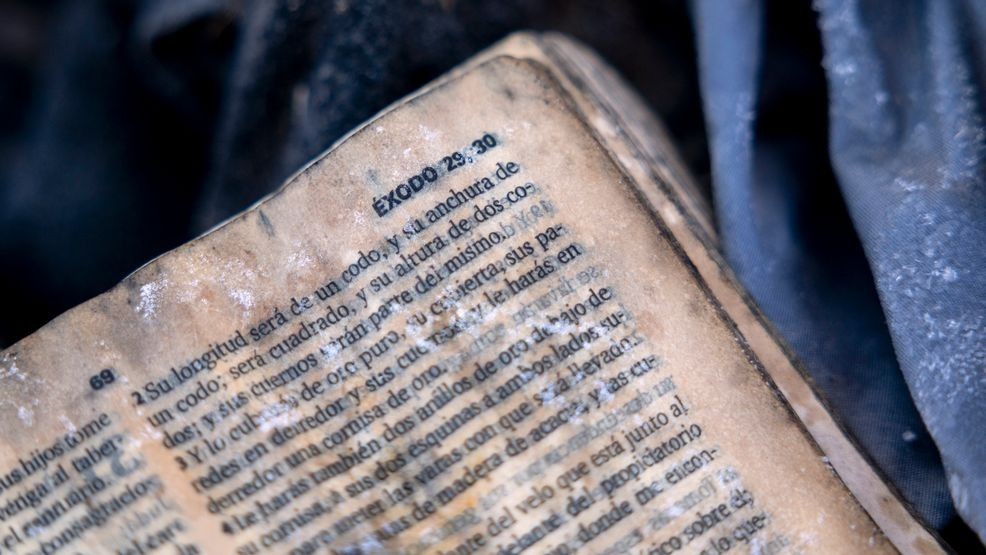
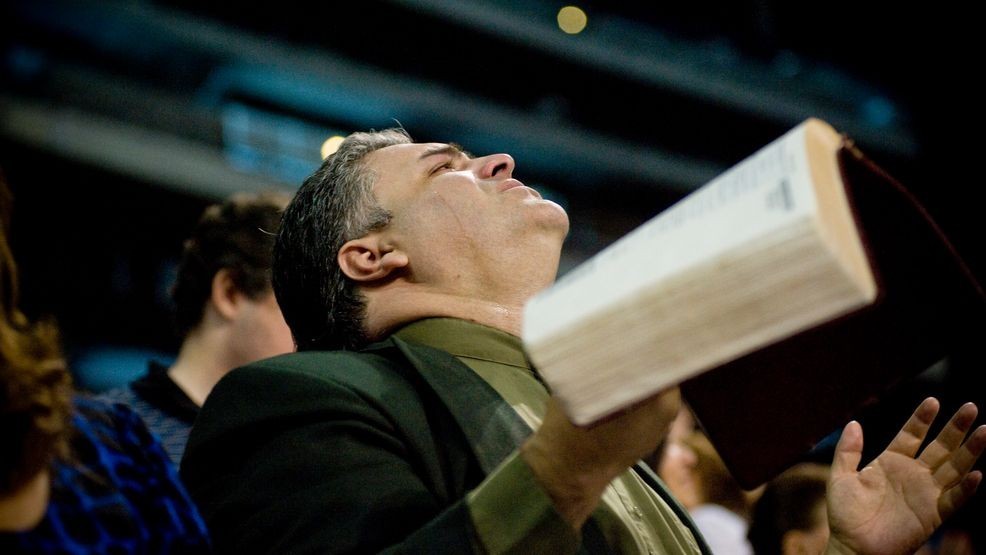
WASHINGTON (TNND) —Texas is moving toward a statewide reading list for public schools that includes biblical passages—prompting a fresh debate over where the line falls between teaching religion and promoting it
Supporters of the proposal say the inclusion of Bible passages is intended to strengthen instruction in history and literature. Critics argue it raises serious constitutional questions under the First Amendment, which prohibits government establishment of religion
If implemented, the policy would apply across Texas public schools and could affect millions of students
What Texas is proposing
Texas education officials have approved a statewide reading list that includes selected passages and stories from the Bible alongside other traditional literary works
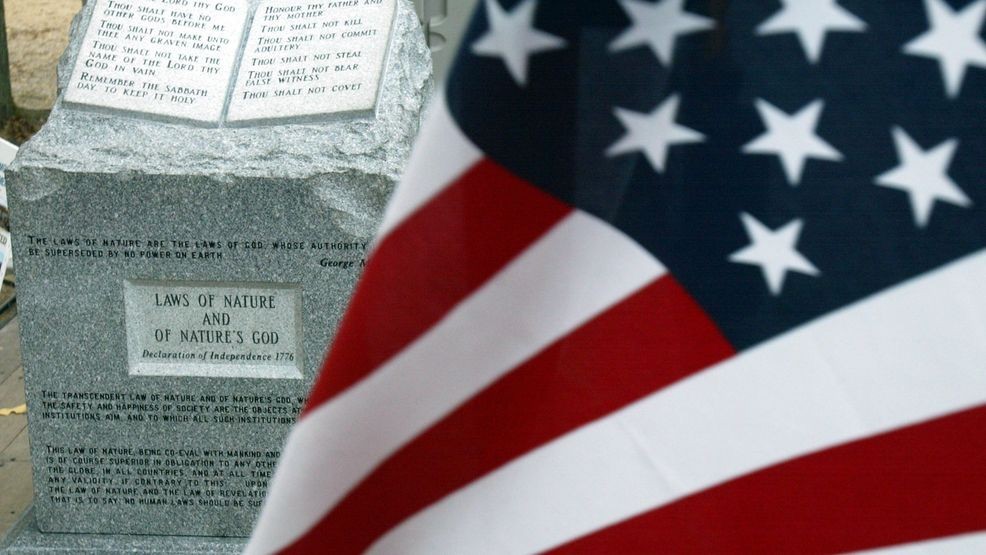
WASHINGTON – OCTOBER 22: The Ten Commandments monument that was removed from the Alabama Judicial Building is on display during the “America for Jesus” rally October 22, 2004 at the National Mall in Washington, DC. Although the U.S. Constitution prohibits an official state religion, references to God appear on American money, the U.S. Congress starts its daily session with a prayer, and the same U.S. Supreme Court that has consistently struck down organized prayer in public schools as unconstitutional opens its public sessions by asking for the blessings of God. The Supreme Court will soon use cases from Kentucky and Texas to consider the constitutionality of the Ten Commandments displays on government property, addressing a church-state issue that has ignited controversy around the country. (Photo by Alex Wong/Getty Images)
The materials are expected to be used in classroom instruction framed around history, literature, and cultural influence—not as a standalone religious curriculum
Supporters argue that biblical texts are foundational to understanding Western literature, historical documents, and references found throughout American political and cultural history
Critics, however, say the scope and prominence of Christian scripture in required materials risks turning academic study into religious instruction
The constitutional question
At the center of the debate is the First Amendment’s Establishment Clause, which prohibits government endorsement of religion
Legal experts note that the Supreme Court has long allowed public schools to teach about religion in a secular, academic context—such as literature, history, or comparative religion courses
However, the Court has also made clear that schools cannot promote or require religious practice
The key distinction is whether instruction is educational and neutral—or whether it crosses into religious endorsement
What the Supreme Court has already ruled
The most frequently cited precedent is Abington School District v. Schempp(1963), in which the Supreme Court struck down mandatory Bible reading and school-led prayer in public schools
The Court ruled that such practices violate the Establishment Clause, even if students can opt out
At the same time, the justices noted that the Bible may be studied for its literary and historical significance as part of a secular education program
That distinction—between devotional use and academic study—remains central to modern legal debates over religion in public education
Could Texas face legal challenges?
Constitutional scholars and education law experts say litigation is likely if the policy is fully implemented
Opponents argue that a mandated reading list with significant biblical content may still be seen by courts as government favoritism toward religion, depending on how it is structured and enforced
Supporters counter that the curriculum is academically framed and consistent with longstanding precedent allowing religious texts to be studied in public schools
The ultimate question courts may be asked to decide: whether Texas’ approach stays on the constitutional side of that line—or crosses it
