

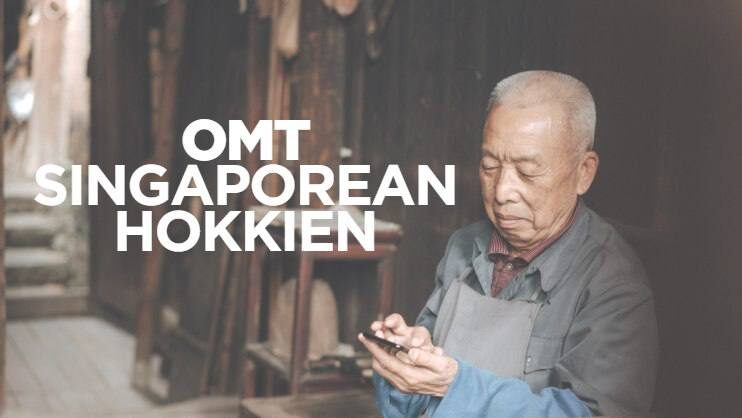
The Oral Mother Tongue (OMT) Singaporean Hokkien translation of the Bible is YWAM Singapore’s labour of love to give Hokkien speakers in Singapore the Bible in their heart language. All photos courtesy of YWAM Singapore.
For some 40 years, Madam Mary Ng, 75, has used an audio Hokkien Bible. However, she can only understand 70% of it.
Her daughter, Irene Lee, explained: “The Hokkien Bible we have is in Taiwanese Hokkien. The Hokkien we speak is Singaporean Hokkien. Some of the vocabulary and phrasing can be quite different.”
So when Youth With A Mission (YWAM) Singapore launched the first phase of an audio Bible in Singaporean Hokkien, Madam Ng welcomed the initiative.
“This is a much-needed project,” Irene told Salt&Light.
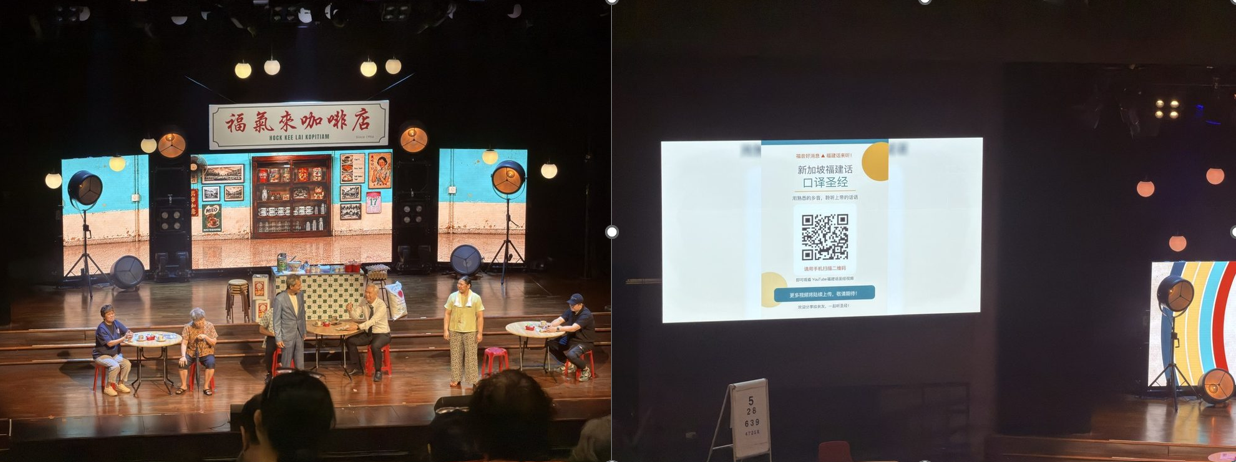
Currently, only parts of the audio Bible – including the Gospel of Mark, parts of the Gospel of Matthew, the Parable of the Prodigal Son and the account of the Samaritan woman – are available on YouTube.
The plan is to have the full Singaporean Hokkien audio Bible available online by mid-2028.
Bible translation is discipleship
This translation work is part of YWAM’s Oral Mother Tongue (OMT) project, which began in 2022. Months before his passing in 2023, founder of YWAM Loren Cunningham was gripped by a vision to translate the entire Bible into every heart language on earth.
His vision is no small endeavour.
Hudson Kim, one of YWAM Singapore’s leaders, told Salt&Light: “There are 7,000-plus recognised languages. This is not even talking about the excruciating number of variations of mother tongues (dialects) that move the hearts of those who speak it, which can be counted up to tens of thousands.
“But there are only approximately 800-odd full Bible translations. There are still thousands of languages with work which have begun, and thousands still waiting without a single verse translated.”
Hudson, who heads the Singaporean Hokkien translation project, considers it “a part of the Great Commission and the Singapore Church’s way of blessing the nations”.
“Singaporean Hokkien is a spoken language. That’s why the audio form of the Bible is most suited.”
In a March 2026 interview with Salt&Light, Hudson said: “It’s not about Bible translation. It’s about discipleship – and discipleship of the nations cannot happen without the full Bible in everybody’s hands and mother tongue.”
YWAM Singapore chose to translate the Bible into Singaporean Hokkien after talks with Hokkien service Pastors and those serving this dialect group, who confirmed the need for such a reer 200,000 everyday users
“Singaporean Hokkien is a spoken language, rather than read or studied. That’s why the audio form of the Bible is most suited,” said Hudson.
Capturing the message
The translation project was commissioned in April 2026 and work began in earnest in July.
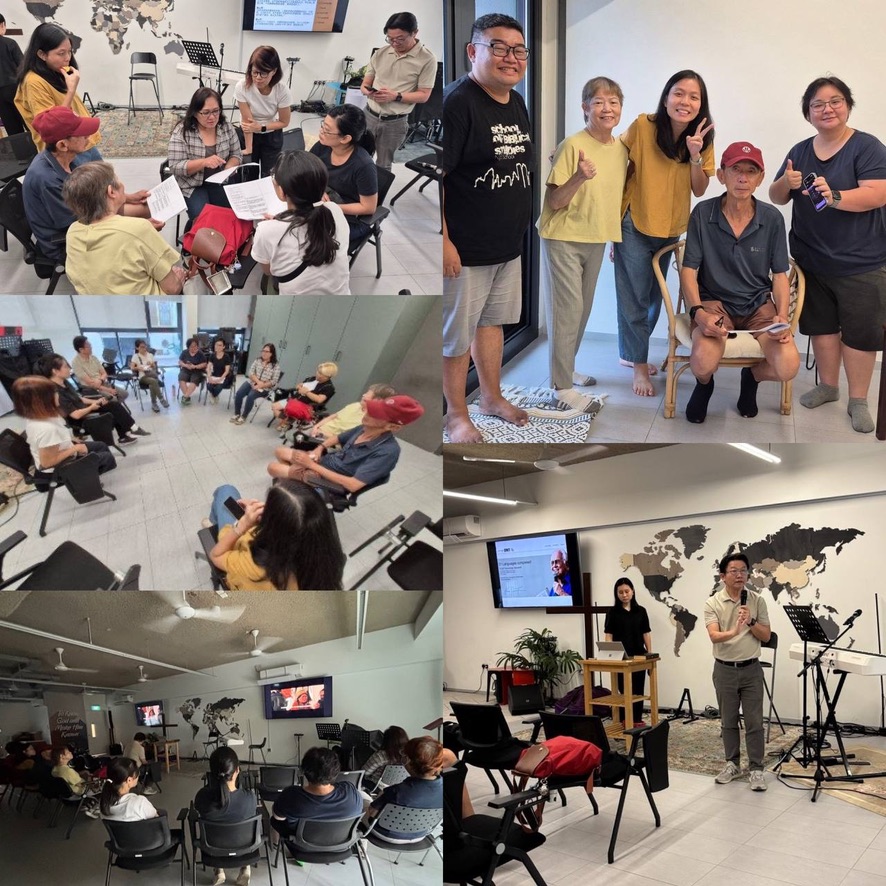
With the help of the Hokkien Harvest Committee, which focuses on reaching the Hokkien-speaking community with the Gospel, as well as Hokkien Pastors in Singapore, a team was assembled to read the Chinese Bible and translate it into spoken Singaporean Hokkien.
While the Hokkien dialect shares the same Chinese writing system as Mandarin, there are nuances in vocabulary and expressions.

Underscoring the delicate work involved, Irene, who is part of the team along with her mother, explained: “For something as simple as the word ‘dove’, Taiwanese Hokkien call them ‘hun jiao’.
“But to Singaporean Hokkien speakers, ‘hun jiao’ is a quail. We had to find the word for ‘dove’ in Singaporean Hokkien. It’s ‘kup’.”
Another example is the phrase “shi fen nan guo”(十分难过). Directly translated into English, “shi fen” means “10 parts out of 10”, while “nan guo” means “sad”. Taken together, it describes feeling “extremely sad”.
“There is no direct Hokkien translation for ‘shi fen’. We can’t say ‘cap hun’(Hokkien for ’10 times’). So we translated it into ‘jin jia’(Hokkien for ‘very’). So you can’t always translate the Chinese directly into Singaporean Hokkien,” said Irene.
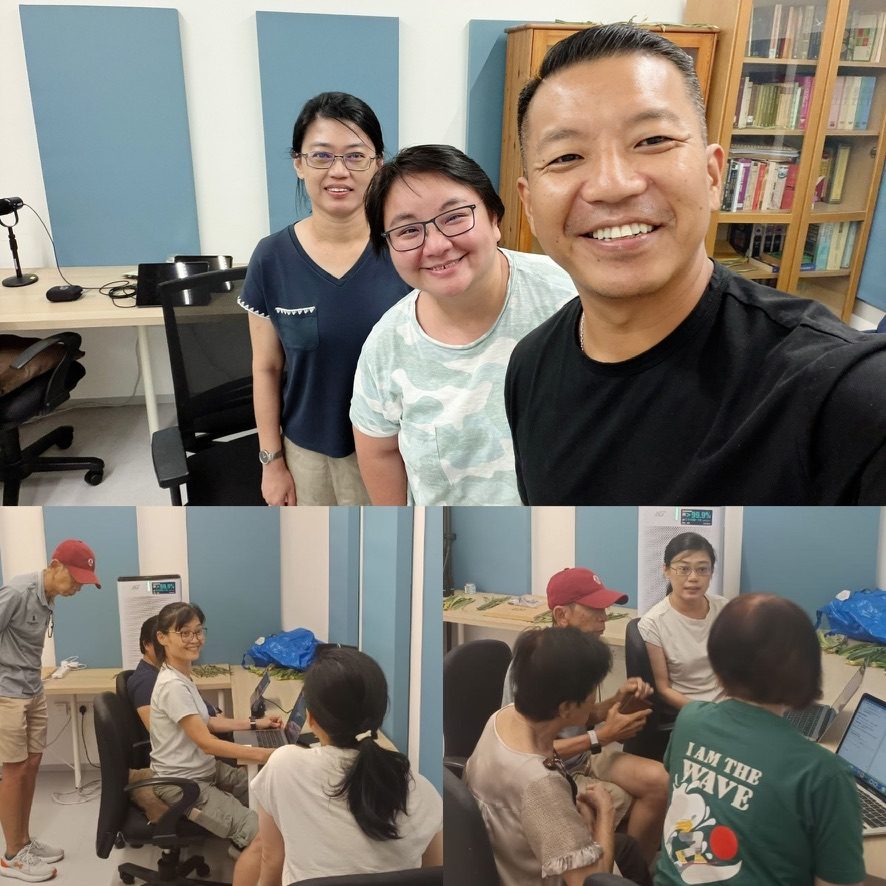
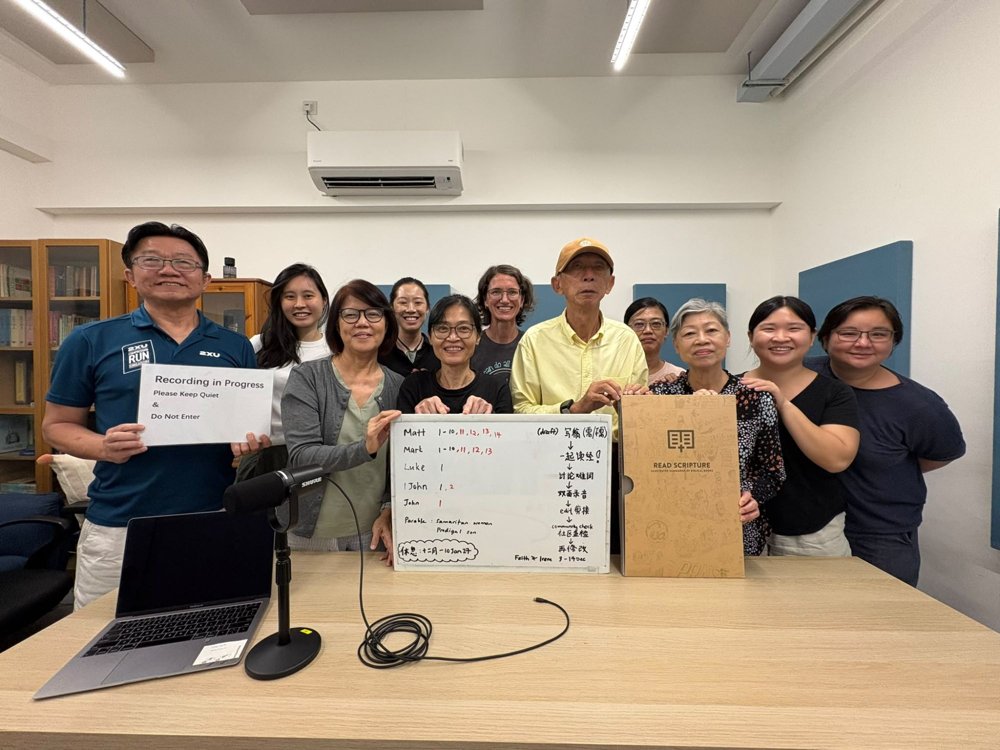
Once the script is done, translators will read the text and record the passage with the help of the technical team. Irene, who was part of the audio-visual team at her church’s Hokkien congregation, is among those responsible for the recording.
Time is of the essence
As the majority of Hokkien speakers in Singapore are advanced in age, there is great urgency to complete the Singaporean Hokkien audio Bible, said Hudson.
He shared that when one woman found out about the audio Bible, she cried. “She told us with tears in her eyes how amazing it would have been if the audio Bible had existed when her mother was still around.
“She had been by her mother’s bedside in her last days, trying to read the Chinese Bible in Hokkien. It was so difficult to do the translation herself. How amazing it would have been if she had the audio Bible to play to her mother 24/7.
“These are the kinds of conversations that confirm for us that this is a really needed thing.”
Another group of people the Bible can reach, Hudson reckoned, are the ones who live in the underbelly of society: “These tend to speak Hokkien and they are the ones who need the Gospel.”
When the audio Bible was first made known at a Hokkien Gospel rally on October 10, a friend of a YWAM Singapore staff member shared the recording with his grandmother. The woman had been invited to church on several occasions and had always rejected the invitations.
“This is God’s heart for these people.”
However, when she heard the Bible in Singaporean Hokkien, she said: “I can understand it. The Bible is speaking in my language.” She went to church that very weekend.
Hudson said, his voice cracking with emotion: “There may be a grandmother right now listening to the translation in her last days. If she can connect to the Bible in her heart language, she may give her life to the Lord.
“Even if there is one person or one family alive still speaking this mother tongue, we will still do this translation. We are convicted, and we sense so deeply and strongly that this is God’s heart for these people.”
Source: saltandlight.sg
