

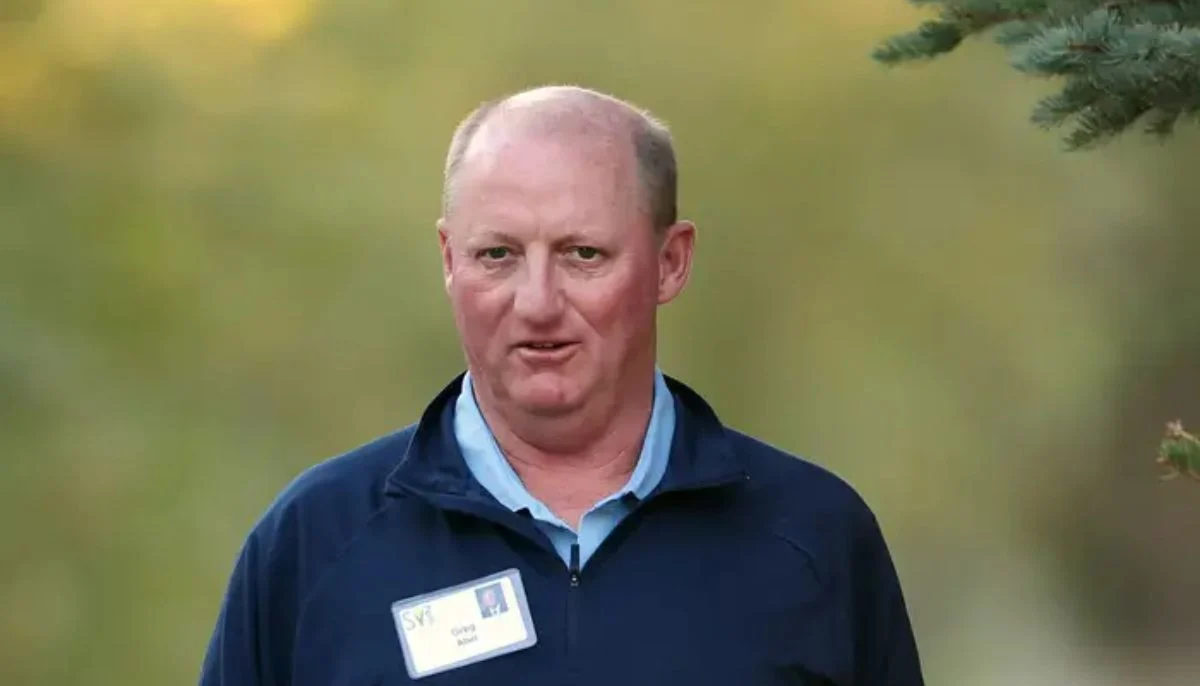
When Greg Abel took the stage at Berkshire Hathaway’s annual shareholder meeting in Omaha on Saturday, every analyst in the room was keeping an eye on the same thing: whether Warren Buffett’s successor would use the AI boom to mark his own territory, or stay inside the lines drawn by his predecessor.
Abel answered the question directly and his answer clearly sounded like Buffett.
Abel’s statement was not just a technology policy. This was an indication of the kind of CEO he wanted to be. Buffett built Berkshire based on his “circle of competence”, a discipline of investing only in businesses he truly understood.
The question hanging over the 2026 shareholder meeting was whether that framework would survive the moment Buffett himself stopped running the company.
Abel’s public stance on AI suggests that, at least for now, this will happen. He told shareholders that Berkshire subsidiaries will use technology only where it creates real value and is “supportive to our businesses.” That framing as additive, not transformative, is a deliberate contrast to the language coming from Silicon Valley.
Elon Musk, Sam Altman, and Mark Zuckerberg have each publicly committed to spending hundreds of billions of dollars in the race for AI infrastructure. They present it as the existential fallacy behind AI, and you lose the decade. Abel’s framing is almost the opposite: use it where it works, ignore it where it doesn’t.
CEOs of several Berkshire-owned companies, including See’s Candies, Dairy Queen, Brooks Running and Jazwares, told reporters Friday that their businesses are already adopting AI to varying degrees. The common thread: using it to save time and make workers more efficient rather than replacing core functions or making large capital bets.
