

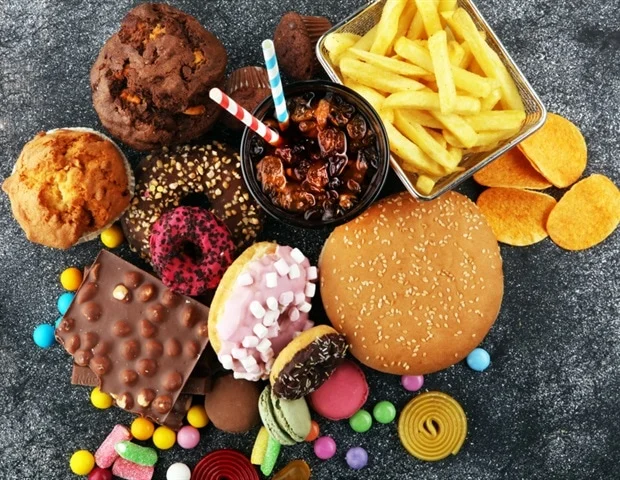
A study using a nationally representative survey of parents in England to be presented at this year’s European Congress on Obesity (ECO 2026, Istanbul, Turkey, 12-15 May) shows that more than half (58%) of parents report that their children or teens often pester them to buy products high in fat, salt and/or sugar (HFSS) when shopping for food in stores or online, and almost three-quarters (72%) reported that they Buy frequently requested items.
Specifically, shopping with children was the second most common reason for parents influencing unplanned food purchases (52%), following price promotions and instore offers (59%).
The findings, which are part of the PUSHED project, reveal the considerable influence of the food environment on children’s requests for unhealthy products, largely driven by instore and media marketing.
Although kids may not be paying the bill at checkout, their influence on their parents’ purchasing decisions is very real. Parents can and do say no, but the current food environment does not help parents feed their children a healthy diet.”
Emma Boyland, Principal Investigator, Professor of Food Marketing and Child Health, University of Liverpool, UK
“Our findings highlight the need for significant changes to the online and in-store food shopping environment and marketing, both of which have a huge impact on what products parents buy and what children eat, and increase the risk of childhood obesity.”
One in three 11-year-old children in England is overweight or obese after leaving primary school (1). Although the causes of obesity are complex, it is primarily attributed to an environment that increases preference for and consumption of HFSS foods and beverages in children. It was proposed that children’s demand for junk food may influence what parents purchase when shopping.
To learn more, researchers attempted to explore parents’ experiences of children being teased for HFSS foods during in-store and online shopping and its impact on purchasing, as well as teasing triggers and parent reactions and strategies.
They conducted a cross-sectional online survey in a nationally representative sample of 1,050 parents (67% female, 80% white) of children (aged 1–18 years, 51% female) in England in September 2025. Parents were recruited by Savanta, an online research panel aggregator, and received a fixed points-based incentive reward for participating.
Questions were developed from existing published measures with input from public contributors (adults and young people living with obesity) and refined through piloting.
Parents were asked about their demographics (e.g., age, gender, ethnicity, and education level) and socioeconomic status, as well as their health and income. The original survey included questions on the frequency and strategies of harassing, what they think causes harassing, their reactions, and how it affects what they buy, including whether it leads to unplanned purchases. Statistical analysis was used to identify differences based on socio-demographic characteristics.
power to disturb
The survey found that more than half of parents (58%) reported that their child(ren) ‘often’ or ‘always’ requested products when shopping for food, with only 4% saying their child never requested one.
Children of all ages made demands, but younger children (4–11 years) made significantly more requests than older children (12–18 years), and were three times more likely to make demands than children aged 1–3 years.
Research points to socio-economic differences, with parents experiencing food insecurity being 13% more likely to report frequent child product requests.
Not surprisingly, the most requested items were ice cream/lollies (45%), confectionery (43%), and sweets and biscuits (42%) – a major problem given that concerns about healthy foods rarely occur.
harassing strategies
More than half of parents reported that children ask for products verbally, with one in five using emotional tactics such as teasing and tantrums. About one in three children has trouble picking up items and placing them in a basket or trolley, while about one in six children complain about a product being displayed or advertised in a store.
However, the findings revealed differences in the use of these strategies based on children’s age, ethnicity, and food insecurity. For example, older adolescents (aged 12–18) were significantly less likely to resort to irritability or tantrums and were more likely to explicitly mention store or media advertisements. White children were less likely to load items into a trolley, and children from more food secure homes were significantly more likely to throw tantrums/tantrums to upset their parents.
Product placement and advertising drive this behavior
Product placement in stores (for example, products placed at children’s eye level or on low shelves near checkout) was the second most common reason given by parents for disturbing their child (29%), after their child felt hungry or craved food (38%).
Additionally, one in four parents said that seeing branded, kid-friendly characters on packaging, or seeing food advertisements on TV or online before coming to the store, was increasing requests.
Almost all parents spent more than planned
Most parents said they bought the requested product ‘sometimes’ (47%) or most of the time (25%), with parents of older children (12–18 years) and those who were more food secure and less deprived being more likely to succumb to their demands.
Almost all parents (91%) reported that they spent more than they planned because of children’s requests.
Nearly a quarter (23%) of parents reported that the requests made them feel upset, guilty, or distressed. Most parents (56%) thought talking or planning with children before shopping (53%) was a good way to handle product requests.
“Children are susceptible to powerful and sophisticated marketing of unhealthy foods and drinks, and we are exposed to them too often, which leads them to nag their parents, putting them at risk of developing overweight and obesity,” said co-author Dr Magdalena Mueck, from the UK’s Open University. “Worryingly, our findings suggest that it is parents who are experiencing food insecurity who are harassed more often and this can be a real source of distress. We are currently running focus groups with children and parents to better understand their shop experiences and the triggers of harassing behaviour.”
The placement of HFSS products in prominent locations such as checkouts in most retailers is banned from October 2022, and offers such as ‘buy one get one free’ on unhealthy products are banned from October 2025. However, it is not yet known how well these rules are being followed or whether they have changed shopping habits.
Although a pre-watershed junk food advertising ban on TV and online came into force in the UK in January 2026, the rules do not apply to billboards and posters on bus shelters, advertisers’ own social media accounts or external sites including ads for brands – even those strongly associated with unhealthy food products.
According to Professor Boyland, “Our findings provide important new information on the scale, impact and variable impacts of children’s food requests that should help inform the design and evaluation of public health policies to protect children from continued unhealthy food marketing and reduce childhood obesity and health inequalities.”
These are observational findings and the researchers acknowledge various limitations, including that they cannot be generalized to all children and adolescents, and they are based on parent-reported surveys of children’s distressing experiences, which may result in problems of recall and bias, which may affect the results. Finally, they noted that the survey focused on take-home grocery shopping and did not include purchases from fast-food stores.
