

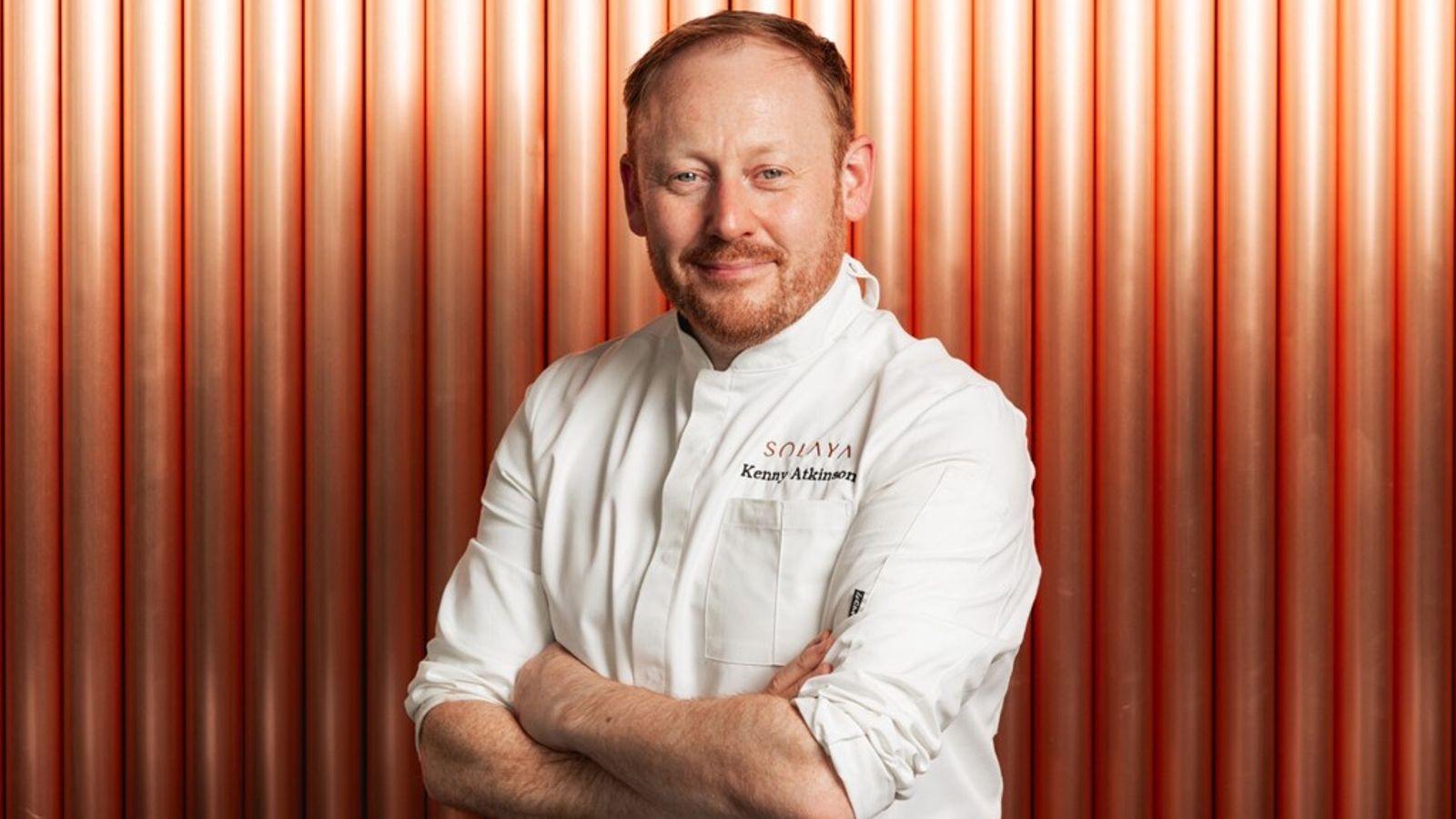
Every month we interview top chefs from across the UK, hearing about their cheap food hacks, thoughts on the industry and much more.
I have been fortunate to work under some amazing chefs… But I spent time with a chef named Hywel Jones in London, where I really learned my craft as an aspiring chef. His ability to get the best out of ingredients and his techniques helped me learn to achieve this, which gave me the platform to grow from and has helped shape the chef I am today.
An inexpensive ingredient that many people overlook… Offal. People often choose prime expensive cuts, but offal is often much cheaper. Tripe is something many butchers give away for free because no one wants it, but cooked slowly in red wine, bacon and mushrooms, it is one of the most delicious things to eat.
The best store cupboard ingredients with the best taste for the money are…A good range of seasonings and spices. They contain flavor enhancers and herbs that give an instant delicious umami boost to meats, pastas and vegetables to enhance flavor at home.
My cheap meal out… There is a small dim sum bar in Newcastle’s Granger Market called Nan Bei Chinese Dumplings. They are famous for their hand-made dumplings and noodle soups – classy for the price!
They may be prestigious, but Michelin stars also have their downsides… They can sometimes become a double-edged sword due to the intense pressure placed on chefs, relationships, staff, business viability and guest expectations. I love pressure – it motivates us to strive for excellence and perfection. It also helps to have a good team behind me.
Everyone should invest in a good kitchen blender… They’re perfect for a good range of things, from smoothies made using all the fruit to pesto, salsa verde or making your own mayonnaise, oils and soups.
You can find great meat in supermarkets that stands up well… Aldi’s meat selection is really great for home cooking – the flavor and tenderness of their steak range is great value. I also like the fish counter at some Morrisons shops; They are great for fresh fish rather than pre-packaged varieties.
A great £10 meal should produce good produce as well as be tasty and comforting… I would make a classic beef stew using braising cuts like shin or brisket with mashed potatoes. This way:
- Shred the beef: Pat the beef dry and season with salt and pepper. Brown in batches in bacon fat over medium-high heat until a deep crust forms. Remove and set aside;
- Roast aromatics: Add chopped carrots and onions to the pot, cook until soft. Mix minced garlic and tomato paste for 1 minute;
- Dough and deglaze: Sprinkle flour over the vegetables to thicken the sauce later. Slowly add red wine, scraping up browned bits from bottom of pot;
- braise: Return beef to pot. Add the water or beef stock, bay leaf and thyme. Bring to the boil, then cover and place in a 160C oven for 2.5 to 3 hours;
- closure: Serve with a generous portion of mashed potatoes.
The most underrated British content is… Worcestershire sauce. It is a powerhouse of flavor and versatility. While it’s often referred to as cheese on toast, its complex blend of molasses, malt vinegar and anchovies acts as an instant umami booster to meat, fish, sauces or stews.
The cost of living appears to be causing permanent changes in people’s eating habits… Consumers are becoming more deliberate and value-driven in their choices. Rather than just cutting back temporarily, diners are adopting new behaviors and prioritizing experiences that justify the cost, but eating less is the result.
A big misconception diners have about restaurant pricing is… That if a dish is expensive then the restaurant must be making huge profits on it. In fact, higher prices often mean more risk and lower margins, not greed. Ingredient costs are only 30-35% of the menu price; The rest pays for rent, staff, utilities, insurance, equipment, wear and tear and waste. The labor killer is cost: A recipe that looks simple may actually require prep cooks, service staff, and dishwashers behind the scenes. Premium ingredients are also unstable. Prices of fish, beef, dairy and produce fluctuate weekly. Restaurants cannot make menu changes regularly.
It has become difficult to find good employees since Covid… Staffing has been affected since the pandemic, and we’ve seen fewer chefs willing to relocate to different areas to enhance their careers, not helped by rising rental prices. I also think that many of today’s young chefs don’t see their workplace as an investment in their future.
Rising business rates are the biggest cost pressure that diners don’t see… I think this is going to be the nail in the coffin for many business owners who are already struggling in today’s environment. There are also many other pressures such as huge increases in electricity and gas, which have increased by almost 100% in the last few years. The 20% VAT tax on all sales, when most of the tax collected from us is not refundable, also really hurts our business. In contrast, in Europe, all sales are taxed at about 10%.
