

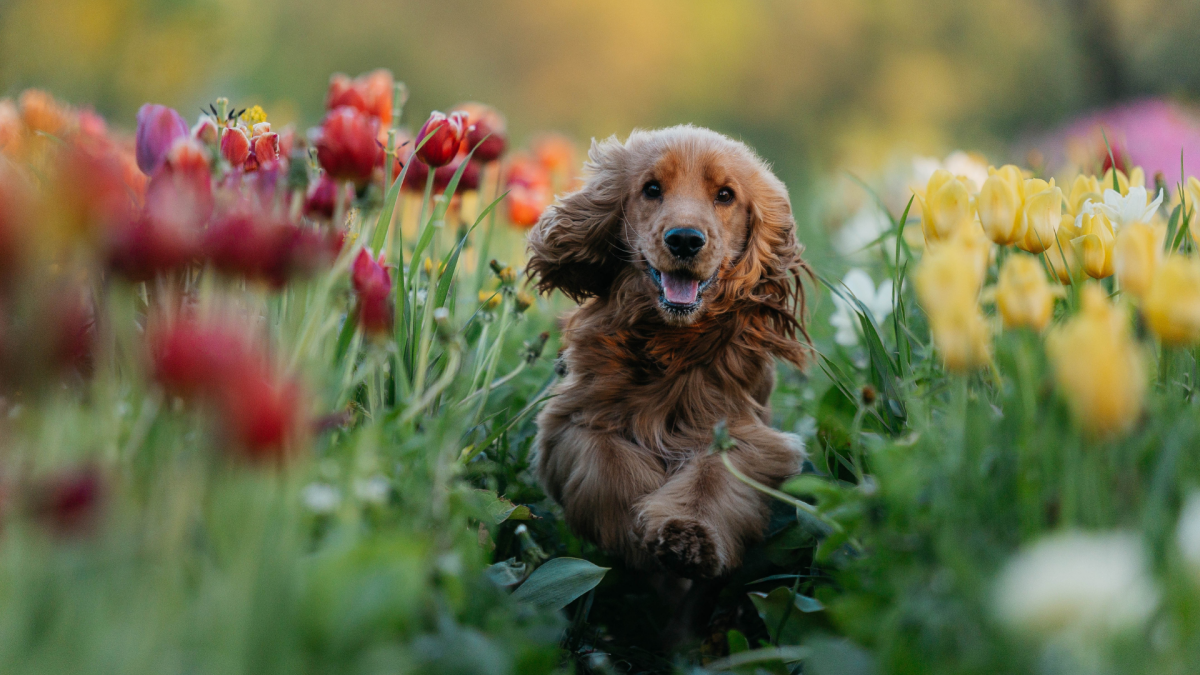
Whether you love gardening or are proud of a perfectly landscaped space for entertaining (or both), creating and maintaining a beautiful outdoor area for you and your family to enjoy adds immeasurable value to your property and quality of life.
However, if your family includes some furry pets who also enjoy your outdoor spaces, you’ll need to be careful when it comes to the plants you choose for your garden or landscape. There are many plants that are safe for humans that can poison our furry friends, so it is important to consider your choices when planning a garden or landscaping your home if pets are being allowed outside. Here are some pet-safe plants to focus on and some to avoid at all costs.
Note that these lists are not comprehensive—you can check Database maintained by ASPCA Before you plant anything not explicitly mentioned here.
Trees and Shrubs That Are Safe for Pets
You might not think that trees could harm your pet, but they can – the nuts, leaves and even the bark of some trees can be toxic to dogs and cats. If your landscaping plans include bringing in some trees and shrubs for shade and privacy, here are some safe alternatives:
-
red maple. These trees add beauty to any courtyard with their bright red leaves. They are dangerous for horses, but safe for dogs and cats.
-
Dogwood. Another beautiful shade tree with white and green flowers, this one is 100% safe for dogs and cats.
-
Magnolias. If your pet is one of those animals that likes to experimentally eat everything it comes across, rest assured: the leaves, flowers and bark of this beautiful, white-pink flowering tree are safe to consume.
-
Serviceberry. Sometimes called shadebush or juneberry, these small trees are visually stunning when in flower, and beneficial to local birds and other wildlife that eat the berries. Their small size makes them useful for landscaping designs, and they’re completely safe for pets – even for berries.
-
crape myrtle. These fast-growing plants are somewhere between a tree and a shrub in terms of size, so they are often useful for landscaping, and they pose no threat to your pets.
-
Camellia. These colorful shrubs are ideal for creating natural privacy screens, and are safe for your pets.
-
Spirea. If you like the look of azaleas or rhododendrons in your patio, but want to avoid poisoning your pets, spirea is an excellent, pet-safe alternative. They look very similar – full, with lots of colorful flowers.
-
Golden bells. Perfect for edging and privacy screenings, these bright yellow shrubs will pose no threat to your furry friends.
Some should be avoided: Walnut trees, most fruit trees, azaleas and rhododendrons.
Annual Plants That Are Safe for Pets
If you like to change up your garden or landscape every year and rely on annuals for that flexibility, you have plenty of beautiful options:
-
Impatience. Colorful and easy to grow, they will bloom all spring and summer.
-
Zinnias. Fast growing, so if you’re replacing a poisonous flower and need some pink and red in your color scheme this is a good choice.
-
Sunflower. There are both perennial and annual species of sunflowers – and they come in a wide range of colors, so you can really supercharge the design of your outdoor space, attract lots of pollinators, and never have to worry about your dog or cat getting sick.
-
Petunias. Technically, these beautiful flowers are known as “tender perennials” because they can do They come back year after year, but usually can’t survive the cold. They are a great option for dyes that won’t harm your pet.
-
Celosias. Colorful and unique, with thorny, tall flowers, these are great for variety and are easy to grow – and completely safe for dogs and cats.
Some should be avoided: Tulips, Begonias, Lilies, and Geraniums.
Perennial Plants That Are Safe for Pets
Perennial plants can be easy to care for and provide a sense of permanence, which is good if you really love the garden or outdoor space you’ve created. If that’s you, here are some suggestions for pet-safe perennial plants:
-
Asters. If you love mums, aster is a great option that poses no risk to your animals. They look similar to mums, and arrive later in the year to keep your outdoor spaces colorful.
-
Coral bells. These are great filler plants that will make your flower beds look full and vibrant, and they will attract pollinators and hummingbirds.
-
Tickseed (aka, Coreopsis). If you like daisies, this traditionally yellow flower (modern versions offer more color options) is a safe choice. It’s easy to grow and care for (it’s very drought-tolerant for those of us who forget to constantly water), and makes a sparse flower bed feel fuller.
-
Catmint. Closely related to catnip, it’s a great choice if you have an adventurous indoor/outdoor cat. Catnip looks like a weed, but the catmint It’s a beautiful purple flower that your pets can eat to their heart’s content (yes, dogs too).
Some should be avoided: Daisy, mummy, creeping jenny, ajuga, peony, hosta and lily.
Vegetables and Herbs That Are Safe for Pets
If your gardening is about feeding your family, don’t assume that just because you can eat it, your pets can too. Some safe choices for vegetables in your garden include carrots, cucumbers, zucchini, lettuce, spinach, pumpkin (this is present in many pet foods), peas, sweet potatoes, and broccoli.
What do you think so far?
Some should be avoided: Tomatoes, potatoes, onions, hot peppers, eggplant, and green beans.
If you’re growing your own herbs to use in your cooking, you can’t go wrong with basil, sage, rosemary, cilantro, dill, or thyme.
Some should be avoided: Chives, oregano, mint, bay leaves, and tarragon.
Ground Covers That Are Safe for Pets
Landscaping isn’t just about selecting and arranging large-sized plants. You also need ground covers to tie everything together and protect your soil – and ground covers can be toxic to pets, too. Most lawn grasses are safe for pets (cats will sometimes eat lawn grass to induce vomiting; while this is generally a natural and healthy instinct for them, you should not let them do this too much, so it’s worth considering if you let your cat explore your lawn). Other safe ground covers include moss, summer snow, sedge, hardy iceplant, lamb’s ears and creeping phlox.
What to avoid: Cocoa mulch, asparagus fern, and ivy.
