

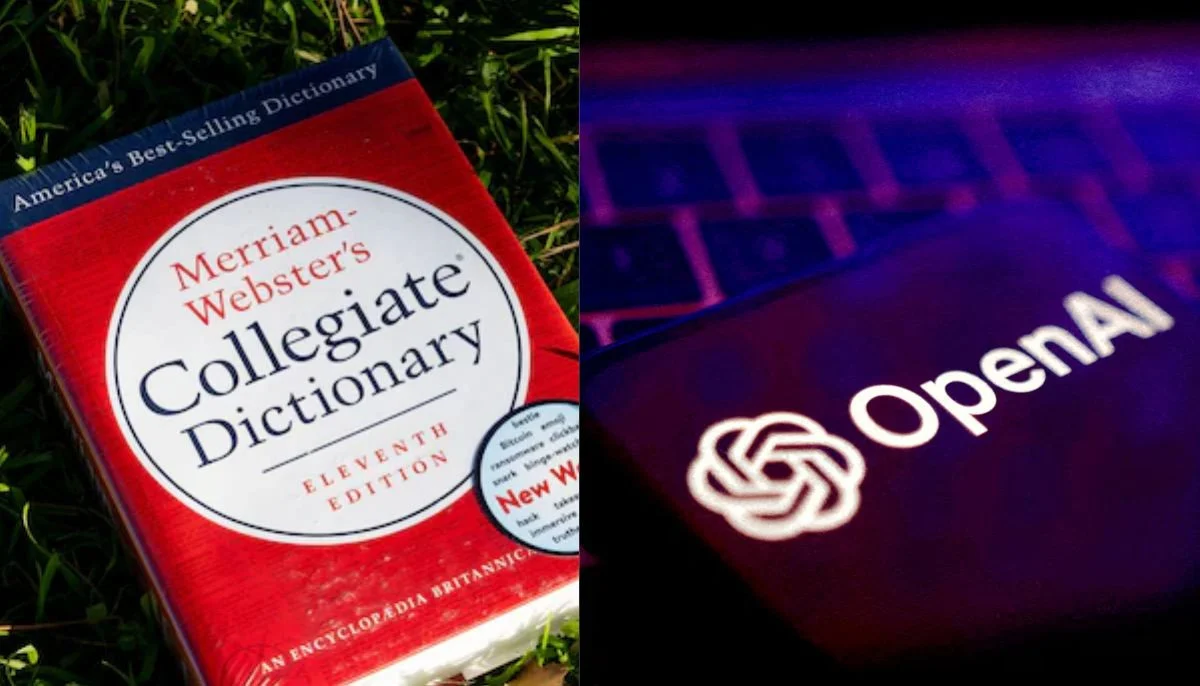
There is currently a major legal battle going on in the AI field as the world’s largest dictionary publisher, Merriam-Webster, and its parent company, Encyclopædia Britannica, have sued OpenAI on the grounds of copyright infringement by using their content in training its ChatGPT.
The lawsuit filed in court this week claims that more than 100,000 articles, dictionary content and encyclopedia content was copied and then used in training its AI models.
Furthermore, it has been claimed that OpenAI has been involved in rampant copying and has used copyrighted content in training its AI models and has even created content that looks almost identical to the original content. Publishers argue that this has affected their traffic and weakened their business model.
As the lawsuit claims, ChatGPT may, at times, provide “verbatim or near-verbatim” responses based on Merriam-Webster’s content. According to publishers, this enables users to access content without visiting their platforms, thereby reducing their audience base.
Publishers have claimed that AI-generated summaries can be incomplete and inaccurate, especially when content is cut and altered. As claimed in the lawsuit, this could result in misleading content, raising concerns about the reliability of AI and hallucinations.
The lawsuit is raising a significant concern for the AI industry, where companies rely on large datasets for AI models.
Merriam-Webster and Encyclopædia Britannica are seeking financial compensation and have requested a court order against OpenAI, preventing them from engaging in these practices.
