

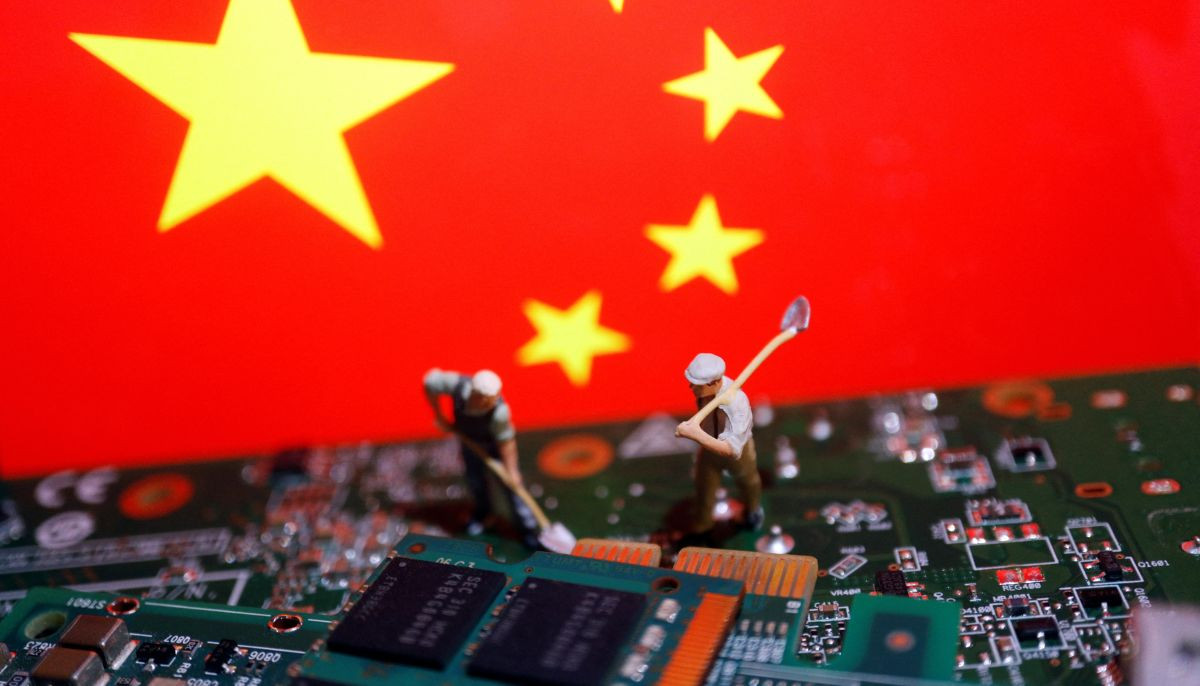
Global competition to develop artificial intelligence systems has resulted in the growth of China’s semiconductor industry as AI markets require more chips and semiconductor production facilities and chip distribution networks.
Industry executives report that production growth has exceeded their initial expectations as companies are increasing their production capacity to meet growing global demand.
At SEMICON China 2026 in Shanghai, industry leaders said China’s share in global production of mature chips is set to increase significantly. According to SEMI, the country’s capacity for 22nm to 40nm chips could reach 42% by 2028, up from 37% in 2026. These chips are widely used in cars, smartphones, and consumer electronics.
Artificial intelligence is changing the way chips are designed and manufactured. The industry requires companies to test and package products and create high-speed connections.
According to Teradyne and other companies, artificial intelligence technology requires more computing resources, increasing the demand for high-performance semiconductor products. The growth of the optical interconnect market is helping China develop its position as a leader in this critical data center technology.
In particular, the increase in demand is creating challenges for global supply chains that are struggling to obtain both the necessary raw materials and high-end parts.
Chinese companies are setting up production plants and investing to boost their manufacturing capacity. Semiconductor Manufacturing International Corporation and other major chipmaker suppliers are preparing to expand their operations around the world.
Despite the rapid growth of domestic operations, foreign suppliers retain their importance in specific industry sectors. The technical skills of international companies with after-sales support remain superior to those of Chinese businesses that are expanding their domestic technical capabilities.
