

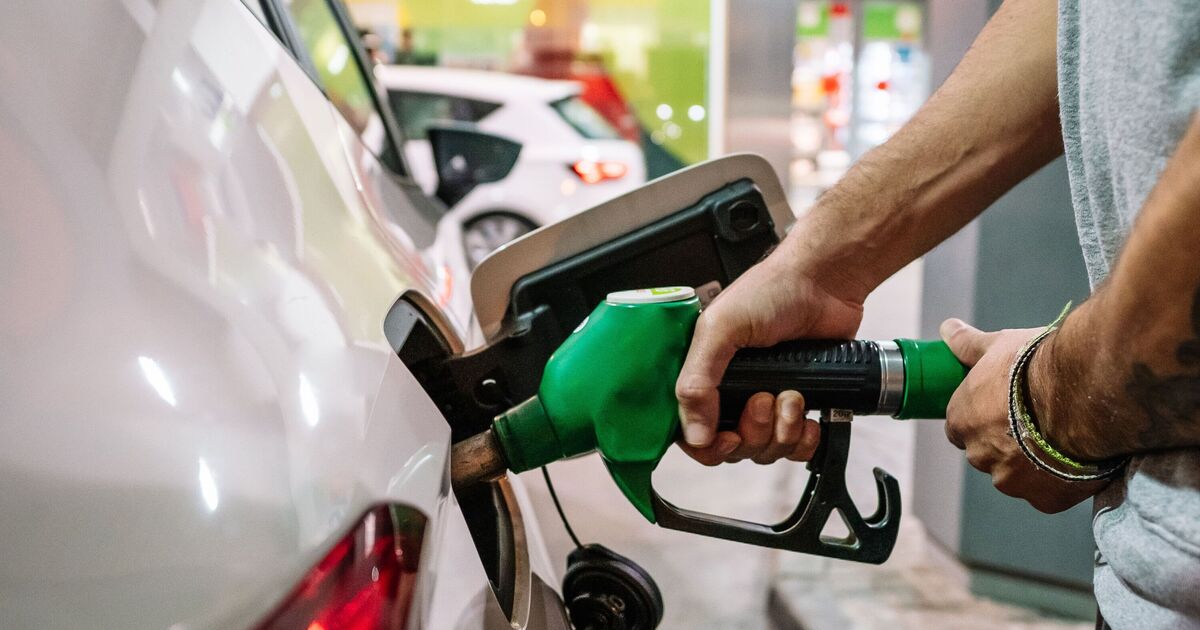
Poland is preparing to halt a surge of German “petrol tourists” crossing the border to fill up their tanks, as Europe grapples with the economic shock of the escalating Iran war. The conflict in the Middle East has sent fuel prices rising across the continent, with Germany hardest hit as the oil market grapples with supply disruptions and instability around key shipping routes.
As a result of the rising costs of filling their tanks, thousands of German motorists have begun driving to neighboring Poland, where prices are comparatively lower. While petrol station operators are benefiting from the new trend, it has angered local authorities, leading to long queues and local shortages in border areas. At a Shell station in the Polish village of Lechnica, which lies directly over the border and near the German city of Bad Muskau, workers said they had never seen anything like the recent surge in demand.
Julia, a cashier, said, “There are probably a thousand German cars coming to our station every day.” Wire. “We are happy (…) They are our main source of business.”
Most motorists are filling up with diesel, which is about €0.28 (£0.24) cheaper per liter east of the border. Not content with simply refilling their tanks, many are arriving with jerry cans, stocking up on as much as they are legally allowed before heading back across the open border, as both countries are in the Schengen area.
While cross-border fueling has always been common in parts of Europe, the current surge is unprecedented. Mayors of several border towns have accused German motorists of “running out” of fuel, deepening supply problems in areas that are not equipped to handle such high demand.
Some stations are voluntarily implementing volume restrictions, limiting the amount of fuel sold per car to maintain supplies for residents. Others banned Germans from filling their vehicles with anything other than them.
Germany entered the crisis with the highest fuel prices in Europe, largely a direct result of government policies aimed at reducing carbon emissions, with taxes and levies making up more than half of the final price at the pump. This strategy includes a long-standing ecological tax, a national carbon-emissions trading system (NETS), and VAT on transport and heating fuels – currently 19%, but could soon rise to 21%, according to recent data. reports.
These are designed to meet Germany’s climate action targets, which include a 65% reduction in greenhouse gas emissions by 2030 (compared to 1990 levels) and climate neutrality by 2045.
Germany’s leading motoring association, ADAC, is tracking the price difference and issuing regular “fuel tourism” guides to help drivers calculate whether a cross-border dash is feasible. German newspapers have also begun publishing detailed maps showing where cross-border trips make economic sense.
Prices at the pump in Germany have risen to €2.07 (£1.79) per liter for petrol and even more to €2.27 for diesel, which is common for German cars as it is cheaper in general.
