

United Nations, March 27 (IPS) – The ongoing conflict in Iran and the Middle East region threatens to disrupt the global energy and agri-food sectors, as the closure of the Strait of Hormuz affects oil and fertilizer exports for farmers during the crucial harvest season.
Food and Agriculture Organization (FAO) has warned that if the war does not end immediately, global markets could collapse from high demand for oil and crops.
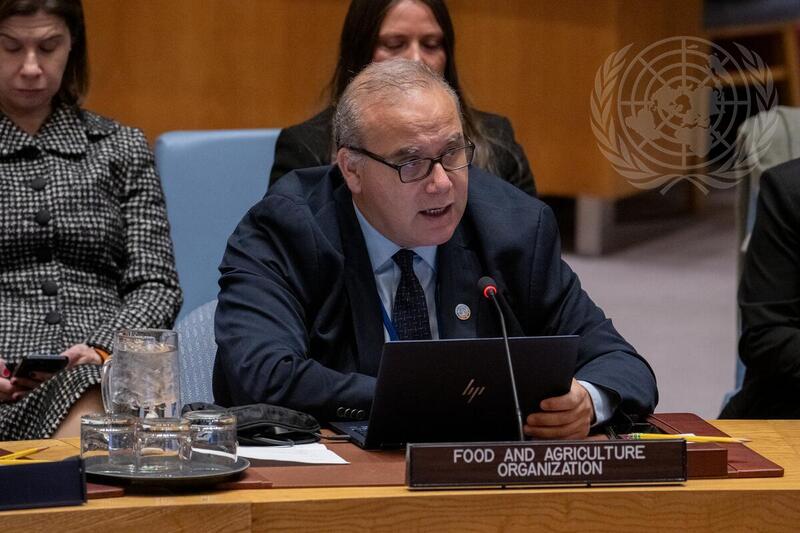
Maximo Torero, FAO’s chief economist, said within the next two weeks, global markets may be able to absorb the shocks still caused by the war and therefore reduce the risk of food insecurity.
“If this crisis continues for the next three to six months, yes, it will not only have an impact on the food security sector; certainly, energy will impact all the other sectors and all the other inputs that have been affected,” Torero said.
The Strait of Hormuz carries 30 percent of international trade in fertilizer and up to 35 percent of global crude oil and natural gas. The premium on the cost of these resources is increasing as war continues in the region. Torero told reporters on Thursday that farmers face a “double blow” of higher prices for fertilizers and rising prices of fuel, which are used to produce food that is delivered to markets further up the value chain. With limited supplies, farmers may be forced to adapt their crop rotations by reducing the amount of fertilizer they apply or switching to crops that require less nitrogen fertilizer.

Torero commented that the immediate impact would be on the next season of crops, which would likely have lower yields than before the war began. If the fighting ends within a month, countries with high reserves of fertilizer and fuel could cushion the blow to global markets. If the fighting lasts three months and the Strait of Hormuz remains closed, the shocks will be global and difficult to manage. The consequences could include lower crop yields and greater pressure on global exporters such as the United States, Brazil and Australia. As oil prices rise, this could encourage farmers to switch to biofuels to meet demand for crops. Yet such actions could also increase consumer prices.
When it comes to the impact of the war in the region, Torero pointed out that Iran was already dealing with high food prices before the fighting started, which it has exacerbated. Meanwhile, for Gulf countries like Qatar and the United Arab Emirates, they are largely dependent on food imports and will face greater challenges as there are no ships importing through the channel.
Beyond the Middle East, FAO has identified some countries that will be most affected by fertilizer and fuel shortages, such as Sri Lanka and Bangladesh, which are currently in the rice harvest season, and sub-Saharan countries such as Kenya and Somalia, which are 22 to 31 percent dependent on fertilizer imports.
One sector that will be affected by the conflict is remittances. Migrant workers from South Asia and East Africa live and work in the Gulf countries, including airports and business locations that have been targeted by military attacks. Torero pointed out that if these workers cannot send money back to their families in their home countries, the resulting decline in remittance flows would affect many countries where remittances make up a “significant share” of their GDP.
“A large amount of labor employment comes from this area,” Torero said. “Now, if airplanes aren’t flying…if the operations that used to go through the airports aren’t happening, that’s certainly going to impact their economies, and that’s going to impact all the temporary workers that are working in those places.”
Rich economies that attract migrant workers could be affected, Torero said, and workers whose families depend on remittances would also be severely affected.
While the war in the Persian Gulf continues to threaten global energy, fertilizer and food markets, the international community is encouraged to take short- and long-term measures to mitigate the shock and protect vulnerable populations.
Torero and FAO recommended developing alternative trade routes to reduce dependence on the Strait of Hormuz. Vulnerable import-dependent countries, including low-income states, need support through emergency food aid, balance of payments support and targeted subsidies. Farmers should also be financed to maintain agricultural production and prevent liquidity crunch.
Torero also recommended that states should diversify their import sources and promote regional coordination. He said states need to build resilience into the future, which means investing in sustainable domestic agriculture and fertilizer alternatives and preparing for structural market shifts that could result from prolonged instability.
“We need to treat food systems with the same strategic importance as the energy and transport sectors and invest accordingly (…) to mitigate those shocks.”
IPS UN Bureau Report
© Inter Press Service (20260327071225) – All rights reserved. Original source: Inter Press Service
