


The very mention of the word yoga can seem intimidating for beginners. However, you can start with some basic yoga poses for beginners that include simple stretches and easy breathing exercises. These poses can pave your way to more difficult stretches and pretzel poses.
Additionally, these basic yoga poses will not only help you set the tone for an energetic morning but will also optimize your mood, body, and mind. Ultimately, you’ll gain flexibility, overcome stress, and get relief from health problems like back pain.
Important pointers for yoga beginners
Follow these essential points before starting yoga for beginners. Read further-
- Start yoga slowly and mindfully. There is no need to rush or learn quickly. Yoga not only improves physical health but also enhances mental health, meditation and peace of mind. So move slowly and peacefully.
- Understand your current health condition and keep in mind the health problems you want to improve.
- invest in a Non-Slip Yoga Mat To perform yoga asanas, as it provides adequate support and grip to your body while performing the asanas. Keep your mat clean too.
- Always wear comfortable clothes made of breathable material for yoga asanas.
- While doing yoga, pay attention to your breathing, as it benefits your mind and body.
- If you have any problems performing a yoga pose Or don’t continue or force your body to work fully if it hurts. Practice gradually over time and improve the asana/posture.
- Some asanas are not suitable for health conditions such as dizziness, back pain, pregnancy, etc. Therefore do not do such asanas.
- Do Shavasana, a relaxation asana, to relieve your stress and anxiety and remove distractions.
- Practice yoga daily for continuous improvement and to get more benefits for health.
- Don’t compare your journey with others, just smile and enjoy yoga for overall benefits.
5 yoga asanas for beginners
You don’t need to do complicated yoga poses to get health benefits. Initially, try the yoga asanas given below, gradually experience positive changes and then move on to other yoga postures.
Related Post- 5 Best Yoga Asanas for Diabetics
cat-cow pose
Cat-Cow pose engages your shoulders, spine and hips. This gentle backbend stretch activates your spine and engages various muscles that help relieve back pain. It is a combination of two asanas – Cat Pose (Marjariyasana) and Cow Pose (Bitilasana).
The flow from one posture to another provides flexibility to the body and prepares it for further physical activity. This is an excellent asana for relieving stress and strengthening the spine.

How to do Cat-Cow Pose-
Start the asana by standing on all four legs. Place your wrists directly beneath your shoulders. Make sure your knees are below your hips.
First of all, exhale and round your back to form cat pose. Lean your head and tailbone toward the mat. Then, inhale and bend back, tucking the chin and tailbone toward the ceiling to create Cow Pose. Repeat both the asanas at least five times.
downward dog pose
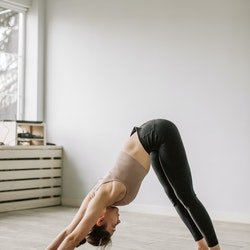
Adho Mukha Svanasana, or downward facing dog pose, gives an active stretch to your calves, shoulders, hamstrings and hips. This relaxing and refreshing twist improves strength, increases flexibility, corrects imbalances, heals sciatica and relieves back pain.
How to do downward dog posture
To begin the asana, stand on all fours. Then, slowly lift your hips into the air while curling your toes. After this, slowly spread your legs straight while putting your body weight on your feet. Eventually, your body will form an upside-down V. Hold the pose for a while to allow your body to get used to it. Take five deep breaths before relaxing.

triangle pose
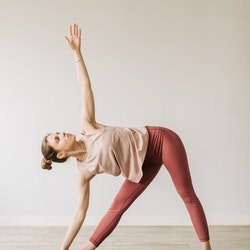
This is also called Trikonasana. This is an introductory standing posture that engages your hamstrings, waist, shoulders and hips.
How to do Trikonasana or Trikonasana
For this asana, stand with your feet shoulder-width apart and lower one hand to the floor from the side, forming a triangle shape. Keep your feet on the ground. This is a very beneficial yoga posture for the body and mind. Furthermore, it increases stability, stimulates the digestive organs, improves metabolism and reduces stress.
Forward Fold Pose

Uttanasana or Forward Fold Pose is beneficial for your heart, back and healthy blood flow.
How to do forward fold pose-
Start the asana by standing straight with your feet hip-distance apart. Clasp your hands behind your back. Keep your arms straight and slowly raise your fists, moving them away from your body.
Look toward the ceiling and stretch your collarbones. Bend at your hips to fold your torso over your legs while extending your arms overhead. Transfer your body weight to your toes and relax your head downwards.
As you turn your body upside down, your heart relaxes and pumps fresh blood to your vital organs. Hold the pose for five slow breaths before relaxing your body. Repeat this at least five times for visible benefits.
child pose
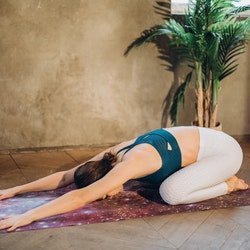
Also called Balasana, Child’s Pose engages your back and hips. It gives a good stretch to your spine and relieves any tension in your back or neck. Practicing this asana can give you long-term relief from chronic fatigue and stress. Child’s pose is one of the top yoga poses for beginners.
How to do child pose-
You start the asana by sitting on your knees. Keep your shins flat on the ground. Place your butt on your heels, keeping your knees slightly wider than your torso. Keep your hands in your lap.
Now extend your arms straight on the ground and slowly move them forward on the floor. Lower your stomach to your thighs and rest your forehead on the floor. Hold this position for as long as you can.
Yoga for Beginners: FAQs
Absolutely not! This is the most common myth among newcomers. You don’t need to be flexible to do yoga; Instead, you practice yoga to become flexible. most of easy yoga poses Designed to meet you where you are.
For example, in triangle poseYou can place your hand on your shin or a block instead of the floor. The goal is to stretch and breathe, not touch your toes on the first day.
For those just starting out yoga postures for beginnersConsistency beats intensity every time. Instead of one rigorous 90-minute session a week, aim for 15-20 minutes 3 times a week.
Even a daily 5 minute flow cat-cow pose And child’s pose Can significantly reduce back stiffness and improve your mind-body connection. Your body needs regular, light repetitions to increase muscle memory and flexibility.
Yoga should feel like a “challenging stretch,” never sharp pain. if you feel a prick downward dog poseTry bending your knees to take pressure off your hamstrings and focus on lengthening your spine.
For child’s poseIf your knees feel tight, place a folded blanket behind them for support. Always listen to your body; If a pose doesn’t feel right, step back or use modifications to keep your practice safe and enjoyable.
Yes, you can easily start your journey from home. While the yoga mat provides grip downward dog poseYou can also practice on a non-slippery carpet or a hard towel in the beginning. For easy yoga poses Like cat-cowA softer surface is actually better for protecting your knees.
You don’t need fancy gear – just comfortable clothes that allow you to move around freely and a small space where you can spread out completely.
Read this also-
Best yoga asanas for senior citizens
