

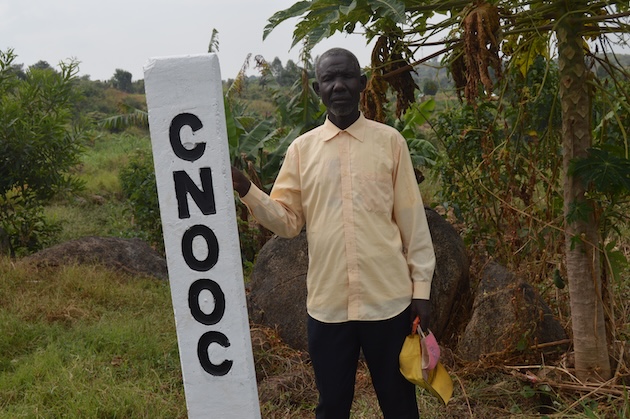
Nyamatai, Uganda, April 3 (IPS) – Environmental activists and farmer groups opposing the construction of the East African Crude Oil Pipeline (EACOP), the world’s longest hot oil pipeline, are making a last-ditch legal effort to stop its construction, with a lawsuit they plan to file in London, UK, in what they believe is a chance to stop the controversial project despite it being at 78 per cent completion stage.
The groups have hired the services of a London law firm. leh dayOne of the UK’s leading environmental and public interest litigation firms, with landmark victories in the past compensation matters To northern Kenyan communities affected by unexploded UK military weapons.
with pipeline construction Said to be about 80 percent complete, the groups believe their petition has a good chance of succeeding as EACOP is owned by a company registered at Companies House in London – EACOP Limited.
This is despite the controversial 1,443 kilometer long pipeline, predominantly owned by TotalEnergies with a 62 per cent stake, aimed at ferrying crude from oil fields in western Uganda to the Indian port of Tanga in Tanzania, which has been stalled for several years. Suit Field and filed in France and, despite the withdrawal of several potential financiers, is all set for completion at the end of the year, with first oil exports. Due in October 2026.
Other owners The pipeline is owned by the governments of Uganda and Tanzania through Uganda National Oil Company (UNOC – 15 percent) and Tanzania Petroleum Development Corporation (TPDC – 15 percent), and the Chinese multinational China National Offshore Oil Corporation (CNOOC – 8 percent).
The plaintiffs, who include project-affected persons (PAPs) from across Uganda, are encouraged by the support of global campaign group Avaaz, which launched an initiative in February. fundraising efforts To help cover the cost of the suite, ahead of its potential debut in May.
They claim the pipeline will violate rights protected by the Ugandan Constitution, which entitles every citizen to a clean and healthy environment.
Local farmers allege that the construction and operation of the pipeline will have a severe impact on global warming, with serious consequences both around the world and in Uganda. Furthermore, they alleged that the pipeline is in breach of EACOP Limited’s own legal obligations under Uganda’s National Environment Act and the National Climate Change Act.
Passing through Uganda and Tanzania, it will ravage some of the planet’s “most amazing ecosystems”, carving up elephant sanctuaries, protected forests and more than 200 rivers.
Furthermore, the massive infrastructure, which is also the longest crude oil pipeline in Africa, will result in about 400 million tonnes of emissions over its lifetime and have a major impact on climate change, they claim.
Furthermore, they argue that emissions from the oil transported by the pipeline will ‘materially’ contribute to global warming and they fear that this will impact them and their livelihoods as well as the environment and the health of Ugandans.
They argue that EACOP is expected to result in more than 372 million tonnes of CO₂e, or greenhouse gas, emissions – 58 times more than Uganda’s total annual emissions.
According to a report sent by the Ugandan government to the United Nations, Uganda is particularly affected by climate change, already suffering record-breaking incidents of “floods, devastating and frequent droughts and irregular rainfall patterns”, which will only increase as climate change worsens.
“This case is one of a growing number of legal claims seeking to hold global energy companies and infrastructure providers accountable for emissions resulting from fossil fuel extraction,” Li Day said in a statement.
“Our clients believe the EACOP pipeline will cause huge harm to the global climate as well as cause serious damage to their local environment. EACOP will cause huge amounts of oil to be burned in a world where the United Nations has confirmed there are already more fossil fuels to extract if we are to meet the Paris Agreement targets,” said Joe Snape, Lee de Solicitor, who will represent the group.
The fact that the pipeline is operated and financed by a UK-registered company highlights the role of UK corporates in fossil fuel extraction projects in the Global South, he said.
He added, “Our clients are already living on the front lines of the climate crisis and argue that this pipeline will worsen the impact this pipeline is having on the lives and livelihoods of them and other vulnerable communities around the world. They are calling for a halt to pipeline construction and operation to prevent this damaging impact on the climate in Uganda and around the world.”
While about a third (460 km) of the pipeline will pass through the basin of Lake Victoria, Africa’s largest lake, local environmentalists have warned that leakage or possible consequences may be Devastating effects for the lake, which is an important water resource in the region and an important source of the Nile River.
The pipeline will also pass and disturb Important habitats and nature reservesWhich includes Murchison Falls National Park, Tala Forest Reserve and Bugoma Forest. The pipeline will reportedly disturb approximately 2,000 square kilometers of protected habitats, impacting the rare and endangered species that live in them, such as eastern chimpanzees and African elephants.
For its part, Avaaz said its fundraising efforts will support the “unprecedented” court case that will help expose the environmental abuses and climate destruction caused by the project. Additionally, it will help protect land rights for indigenous and frontline communities and “continue the quest to protect life on Earth.”
“With the help of Avaaz members, communities across East Africa have already fought against the project through the regional courts – but their case was dismissed on technical grounds. This new lawsuit in the UK is the last remaining way to stop this monstrous pipeline. Legal experts believe it offers a far better chance at a fair, independent hearing with a real chance of success,” the campaign notes.
The group promised to “stage an epic media stunt” around the start of the court case, increase pressure on insurance companies to walk away from the project, and support families in Uganda and Tanzania who are fighting eviction, providing cash assistance for food, medicine and other basic necessities.
The US$5.6 billion project was launched in 2016 amid delays, resistance and scrutiny. Over the past two years, EACOP has gained momentum, with infrastructure taking shape on its route and at its two major oil fields: Tilenga, awarded to TotalEnergies, and Kingfisher, awarded to CNOOC.
IPS UN Bureau Report
© Inter Press Service (20260403112529) – All rights reserved. Original source: Inter Press Service
