

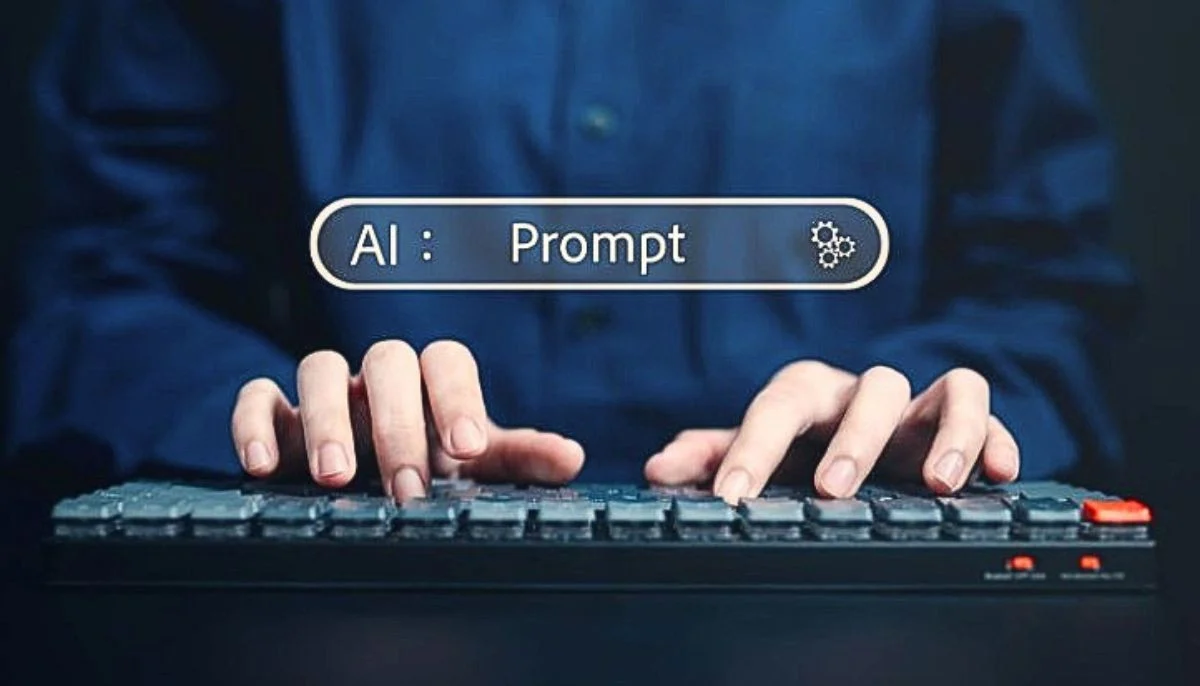
As the world is turning to Artificial Intelligence (AI), experts have warned that people should not trust AI chatbots or seek advice through this medium, especially in medical, law or financial matters.
Some US lawyers are telling their clients not to treat AI chatbots as trustworthy confidants when their independence or legal liability is at risk.
These warnings became more urgent after a federal judge in New York ruled this year that the former CEO of a bankrupt financial services company could not shield his AI chat from prosecutors pursuing securities fraud charges against him.
In the wake of the decision, lawyers are advising that conversations with chatbots like Anthropic’s Cloud and OpenAI’s ChatGPT could be sought by prosecutors in criminal cases or by litigation opponents in civil cases.
“We are telling our clients: You should proceed with caution here,” said Alexandria Gutierrez Sweat, an attorney with the New York-based law firm Kobre & Kim.
Under US law, people’s discussions with their lawyers are almost always considered confidential.
But AI chatbots are not lawyers, and lawyers are instructing clients to take steps that can keep their communications with AI tools more private.
In advisories emailed to clients and posted on their websites, more than a dozen major U.S. law firms advised people and companies to minimize the possibility of AI chat being struck down in court.
Similar warnings are also appearing in the appointment agreements of some companies with their clients.
For example, New York-based firm Sher Tremonte recently said in a client contract that sharing a lawyer’s advice or communications with a chatbot could erode the legal protection known as attorney-client privilege that typically shields communications between lawyers and their clients.
Voluntarily disclosing information from an attorney to a third party may jeopardize the traditional legal protections for those attorney communications.
Manhattan-based U.S. District Judge Jed Rakoff ruled in February that Heppner must turn over 31 documents generated by Anthropic’s chatbot Cloud related to the case.
No attorney-client relationship exists or can exist between an AI user and a cloud-like platform, Rakoff wrote.
Courts are already grappling with the increasing use of artificial intelligence by lawyers and people representing themselves in legal cases, which has led to, among other things, legal filings containing artificial cases invented by AI.
ChatGPT and other generative AI programs “are tools, not people,” the lawyers said.
Notably, representatives for OpenAI and Anthropic have yet to immediately respond to the claim, while the privacy and terms of use for both OpenAI and Anthropic state that the companies may share data associated with their users with third parties.
Additionally, both AI platforms also say that they require users to consult a qualified professional before relying on their chatbots for legal advice.
