

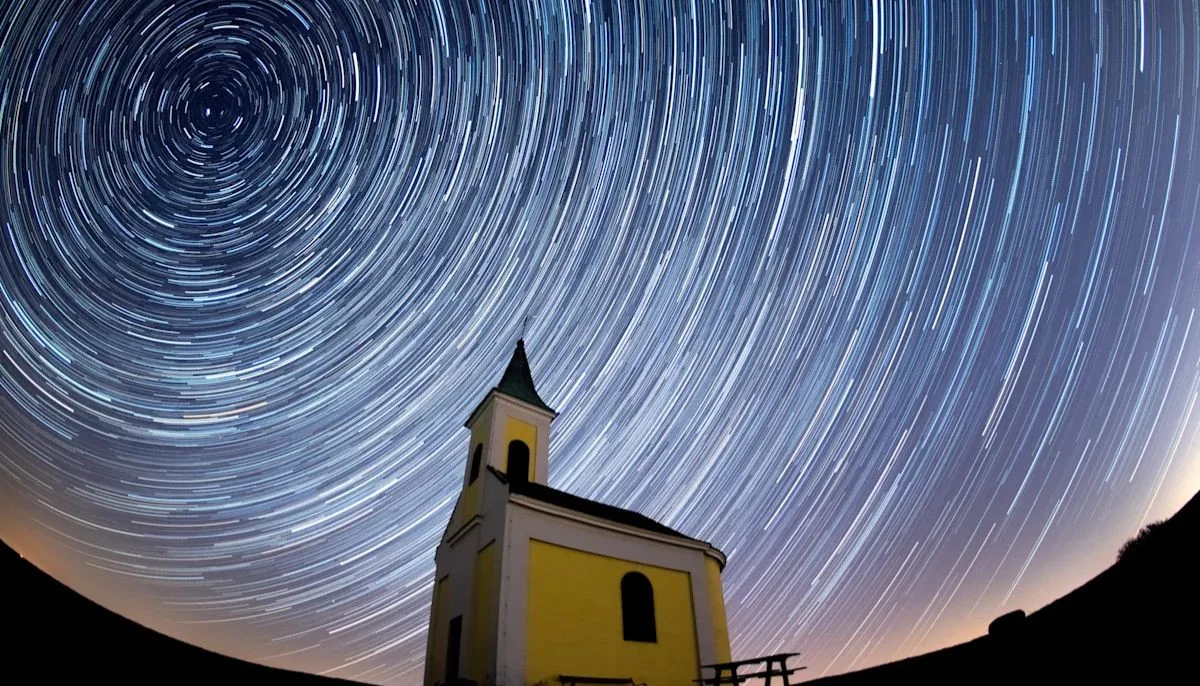
Astronomy enthusiasts are preparing for one of the most historic astronomical events of the year as the Lyrid meteor shower prepares to peak in the early hours of April 22. With a history dating back over 2,700 years, the Lyrid offers a unique blend of scientific wonder and ancient history.
The shower runs from April 16-25, and the best viewing window is the predawn hours of Wednesday, April 22. 2026 is a lucky year for observers because the moon will set shortly after midnight, providing the dark sky needed to see the moderate-brightness streaks.
The meteors would appear to originate from the constellation Lyra, near the bright star Vega in the northeast.
According to experts, it’s best to look away from the bright point to catch meteors with the longest and most dramatic tails.
For those who don’t know, the Lyrids are formed from fragments of Comet Thatcher, which is a long-period comet. As Earth passes through this debris trail, particles hit our atmosphere at high speed.
NASA meteor expert Bill Cook described the Lyrids as hitting the Earth at an angle, and compared the impact to hitting the left front fender of a car.
The Lyrids are one of the largest recorded meteor showers in human history. It was first recorded by Chinese astronomers in 687 BC. Later, the shower was described in Korean chronicles as “many stars flying from the northeast.”
Virginia residents, on the other hand, mistook the heavy rain for a fire alarm and described the sky as filled with rockets.
You don’t need binoculars or a telescope to enjoy the Lyrids. To get the best experience, stay as far away from city lights as possible; It takes about 30 minutes for your eyes to fully adjust to the darkness. Whether you’re an experienced photographer or a casual observer, the 2026 Lyrids promise a fantastic link with our ancient past.
