

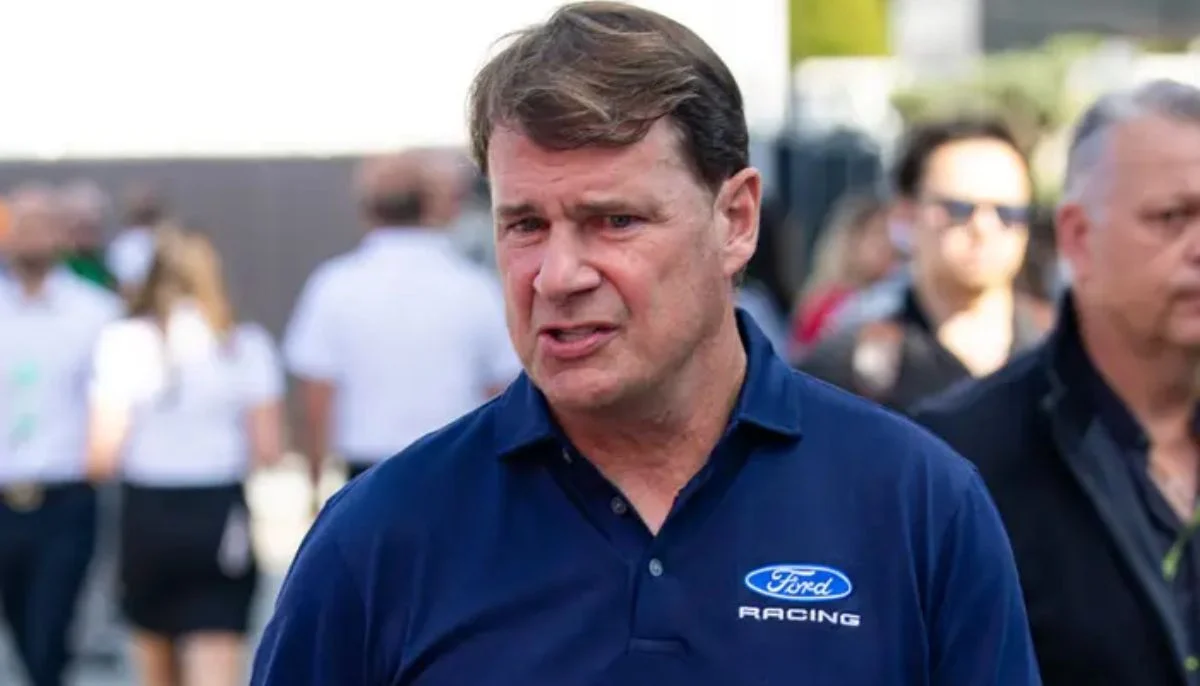
Ford CEO Jim Farley spent six months in 2024 driving the Xiaomi SU7, a Chinese electric vehicle whose price starts at about $30,000, and when asked why he didn’t test a Tesla instead, his answer was clear: Tesla doesn’t have a good enough current vehicle to benchmark against.
Speaking on the Rapid Response podcast with host Bob Safian, Farley was straightforward about his reasoning. He added, “Nothing against Tesla; they’re doing great, but they don’t really have an updated vehicle.” For Farley, understanding the future of EV competition means studying China, not Silicon Valley.
He praised Chinese automaker BYD as the best in the business, citing the company’s cost structure, supply chain depth and manufacturing precision as capabilities that American brands need to match, not reject.
Farley identifies a particular market opportunity that Ford is currently attempting to capture through its fast-paced development efforts. He argued that the next wave of American EV buyers will want pickups, SUVs and a range of body styles, but at the $30,000, not the $50,000 price point that defined the first generation of electric vehicles.
The Maverick XL is Ford’s most affordable hybrid vehicle, with prices starting around $28,000. Tesla’s Model 3 Essential Edition has a starting price of $36,990. Farley believes that Chinese automakers will exert maximum pressure on American companies through this $9,000 price gap, unless American brands act first.
The urgency behind Farley’s words is backed by real financial pain. Ford announced in December that it would move away from the all-electric F-150 Lightning to a smaller, more affordable hybrid model, which would cost the company about $19.5 billion. It’s a painful reset, but one necessary for Farley to survive in a rapidly changing market.
This isn’t the first time Farley has raised concerns. Earlier in April, he told Fox & Friends that Chinese vehicles entering the U.S. market would be devastating to domestic manufacturing, an industry he called the heart and soul of the country. His strategy, as he explained, is to absorb BYD’s cost competitiveness and apply it to vehicle segments where Ford has loyal, established customers.
