


Commercial deliveries were moved through the CEPS network, reportedly due to increasing military demand.
Bloomberg has reported that increased military use has put pressure on the key NATO jet fuel pipeline, the Central Europe Pipeline System (CEPS), disrupting the delivery of commercial supplies.
The Cold War-era pipeline, which runs through Belgium, France, Germany, Luxembourg and the Netherlands, has long been certified for civilian use, becoming a vital component of the EU market. While the pipeline primarily carries jet fuel, it is also capable of transporting diesel and other petroleum products.
Orkhan Rustamov, CEO of trading company Alcagesta, told Bloomberg on Monday that military deliveries are still given priority when moving through the pipeline and that NATO has been actively using it for the past two months. The increased use reportedly put pressure on the system, particularly in Rotterdam, pushing up some civilian jet fuel supplies and reducing deliveries to major European airports, including a major hub in Frankfurt, Germany.
While Rustamov’s company did not deliver fuel through Rotterdam during the period he mentioned, he said he had learned about increased military use from other industry actors. The CEO declined to elaborate on the quantity put into the system by the military, citing potential security concerns, only saying it was equivalent to several days’ worth of Italian demand for jet fuel and kerosene, Bloomberg said.
Although it was not immediately clear what exactly led to the increased military use of the pipeline, and Rustamov did not speculate on the matter, it came amid the US–Israeli war with Iran.
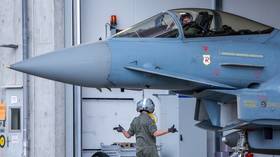
According to independent observers, in addition to flying warplanes to attack targets in the country, the Pentagon is also actively conducting military cargo flights to the Middle East. Cargo flights are expected to bring additional equipment and personnel even as hostilities subside after Washington and Tehran reach a temporary ceasefire.
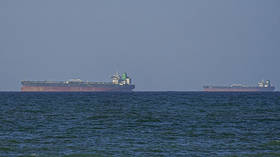
The war with Iran has put major pressure on global flight connections, sending jet fuel prices soaring and causing prolonged disruption in the Strait of Hormuz, a strategic passage that carries about 20% of global oil. The International Energy Agency has warned of a possible shortage of jet fuel within six weeks if increased market volatility and disruptions continue. Many airlines have announced cuts to their schedules in an effort to stem losses from the Middle East crisis.
