

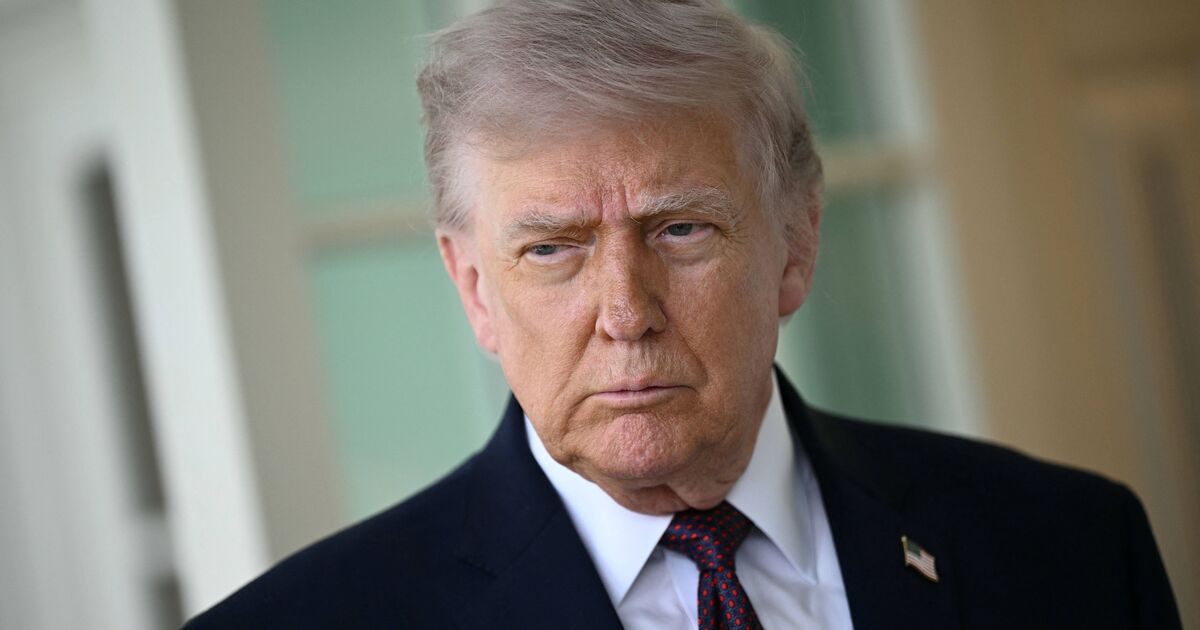
Trump said in a post on Truth Social on Tuesday, April 21: “I have…directed my forces to continue the blockade and to remain ready and capable in all other respects, and therefore the ceasefire will be extended until their proposal is presented, and the discussions are concluded one way or another.”
A local Iranian news outlet reported on Tuesday that an adviser to Ghalibaf, the speaker of the Iranian parliament, said Trump’s ceasefire extension was “definitely a ploy to buy time for a surprise attack,” adding: “The losing side cannot dictate the terms.”
The adviser reportedly said that “the time has come for Iran to take the initiative”.
Iranian state media reported that the country had not requested an extension of the ceasefire.
The US has been engaged in conflict with Iran since February 28, when it launched joint strikes with Israel on several key Iranian targets. Iran retaliated by attacking several locations in the Middle East and sealing the Strait of Hormuz, through which 20% of the world’s oil trade passes.
While a short-term ceasefire is in place from the US perspective, the two countries have so far been unable to reach a permanent solution to the conflict.
The US has imposed a blockade of Iranian ports within the strait to disrupt Iranian trade, lift the blockade and increase pressure on negotiations. Iranian state media announced on Tuesday that Iran has no intention of reopening the Strait of Hormuz as long as the naval blockade remains in place, and vowed to break the blockade by force if necessary.
US Vice President JD Vance and the US negotiating delegation will not travel to Pakistan on Tuesday, the White House said in a statement.
The White House did not provide any additional updates on the possibility of in-person meetings, which were reportedly scheduled to take place on Wednesday.
