

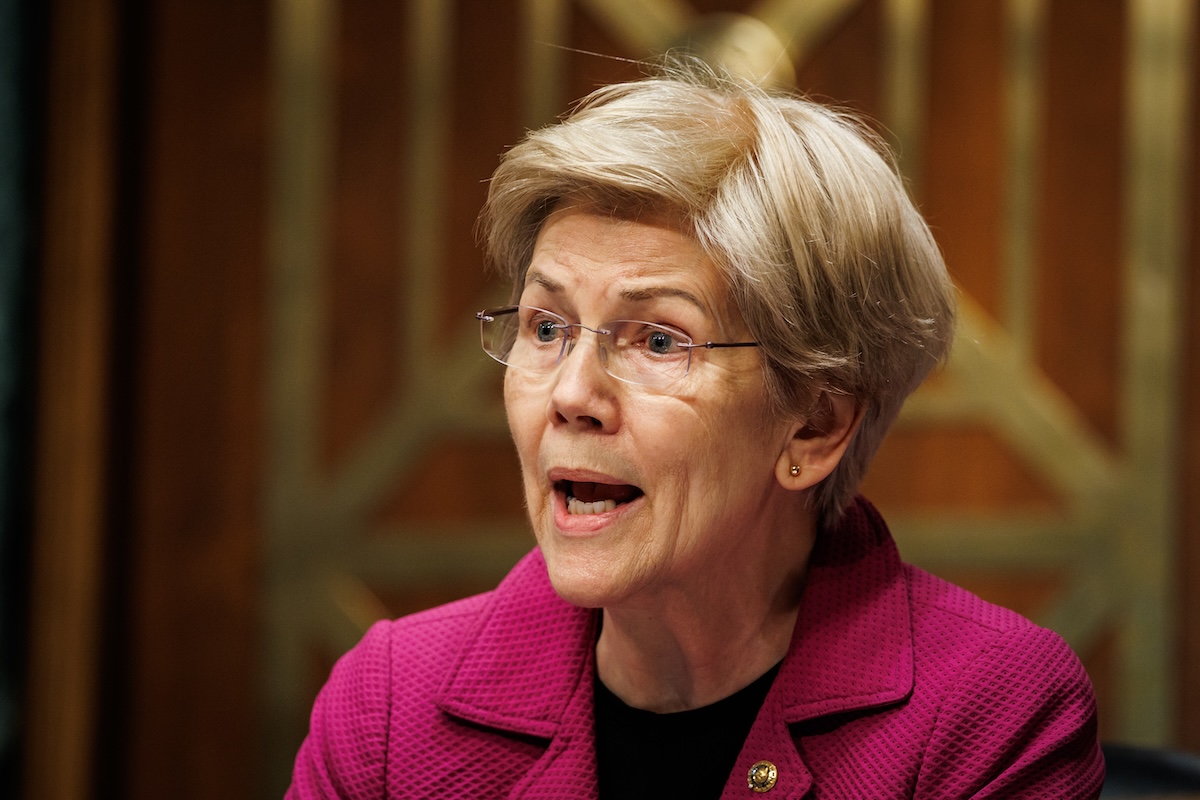
Ten Senate Democrats, led by Senator Jeff Merkley (D-OR), Senator Tim Kaine (D-VA), Senator Elizabeth Warren (D-MA), and Senator Sheldon Whitehouse (D-RI) Sent a letter to Education Secretary Linda McMahon on April 21 The department is being sought to extend the 90-day period for more than 7 million borrowers who are being excluded from the Savings on Valuable Education (SAVE) scheme.
The Department of Education has begun contacting student loan borrowers with a “friendly” reminder that forbearance on the SAVE plan is ending and borrowers need to choose a new repayment plan. However, from July 1, borrowers will get a strict warning of 90 days to choose a new repayment plan or default to the standard plan.
Borrowers who choose no option will see payments resume this fall. And if they miss payments, they will become delinquent and potentially fall into default.
why it matters: After the U.S. Court of Appeals for the Eighth Circuit directed a lower court to vacate SAVE, the Department of Education set a hard transition deadline. Borrowers who fail to select a new plan within 90 days of receiving notice from their loan servicer will be auto-enrolled into the Standard Repayment Plan or the New Tiered Standard Plan.
by numbers:The Standard Repayment Plan is generally the most expensive repayment plan. A student loan borrower who has no children, $30,000 in debt, and earns $60,000 per year would see the following payments:
- RAP Plan: $250/month
- IBR Plan: $312/month
- Tiered Standard Plan: $266/month
- Standard Repayment Plan: $345/month
That’s a potential jump of $95 per month for borrowers who miss this period.
What they are saying: “We are extremely concerned that the Department’s decision to force borrowers who do not take timely action into the Standard Scheme or the new Tiered Standard Scheme to bail out will result in repayments that will be significantly higher, and consequently uncollectible.” the senators wrote.
The timeline also conflicts with the One Big Beautiful Bill Act (OBBBA), which gave borrowers in other IDR plans until June 30, 2028 (three years) to transition.
between the lines: The letter argues that the Department is steering borrowers toward the new Repayment Assistance Plan (RAP) and tiered standard plan instead of older income-driven options such as PAYE, ICR and IBR, which may be cheaper for some borrowers. Senators also identified a backlog of 553,966 unprocessed IDR applications as of March 31, 2026.
What will happen next: Senators set an April 28 deadline for the department to respond to 11 questions, including how borrowers with repayment histories of 10+ years will be handled and what authority allows existing borrowers to be placed in the tiered standard plan.
Don’t miss these other stories:
