

Tehran, Iran — Iran’s national rial currency fell to a record low of 1.8 million to the dollar on Wednesday as a ceasefire with the US and Israel remains in place.
The rial remained stable in the early weeks of the war, beginning on 28 February, as little trade or imports were taking place in the country.
The rial started falling two days ago and reached a record low on Wednesday.
Experts have warned that the rial’s decline is likely to increase inflation in the country, where many imported goods from food and medicine to electronics and raw materials are affected by the dollar rate.
The war is now in a ceasefire, but the US blockade continues to exert pressure on Iran’s already battered economy, cutting off a key source of government revenue and hard currency by freezing or intercepting oil shipments.
The latest decline comes months after a previous currency shock that prompted nationwide protests in January. At the time, the rial weakened from about 1.4 million to 1.6 million dollars in less than a week, deepening public anger over rising prices and fears about the country’s economic future.
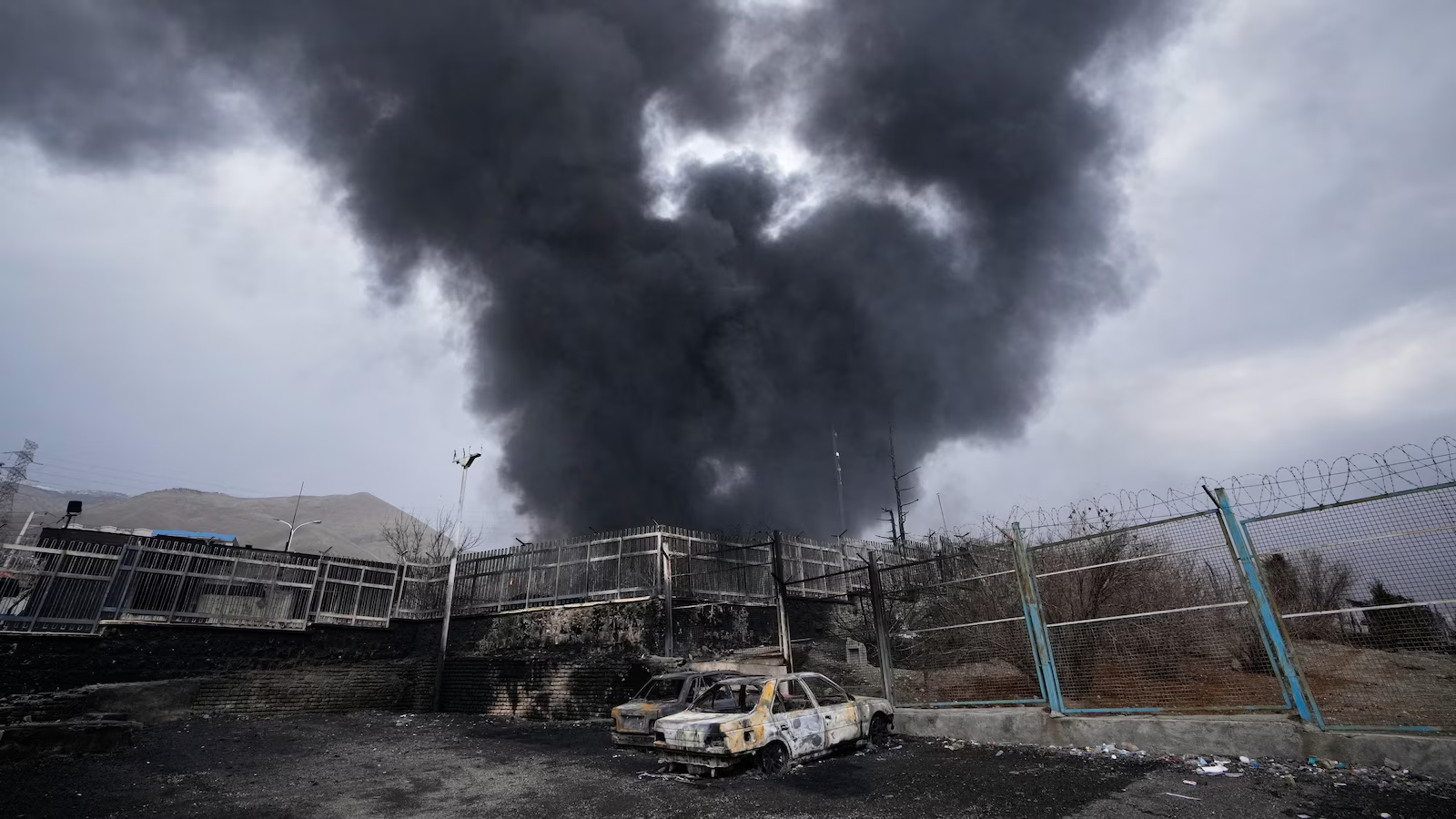
Iran’s economy has suffered from decades of sanctions, chronic inflation, and a growing gap between official and open market exchange rates. The war, which lasted several weeks, placed new strains on businesses, households, and the state’s finances.
Prices of basic household goods were already rising before the latest fall in the rial, adding to the pressure on Iranian households even before the currency hit its latest record low. Over the past two weeks, people buying daily essentials have faced higher prices of milk, curd, cooking oil, bread, rice, cheese and detergents.
The increase points to broader inflationary pressures in the economy, driven by postwar uncertainty, supply disruptions, higher transportation and production costs, and the continuing impact of the U.S. naval blockade. The riyal’s latest slide is likely to put further pressure on goods in the coming days, especially on imports, packaging and raw materials.
Economic pressure has also extended to the labor market. The reformist Shargh newspaper reported on Monday that 500 workers at Rasht’s Pinak and 700 workers at the Borujerd textile factory had been laid off since the beginning. new iranian calendar year after his contract expired at the end of March.
The reported layoffs have raised concerns that rising costs, weak demand and uncertainty after the war and blockade are forcing some companies to cut jobs or avoid renewing temporary contracts.
