

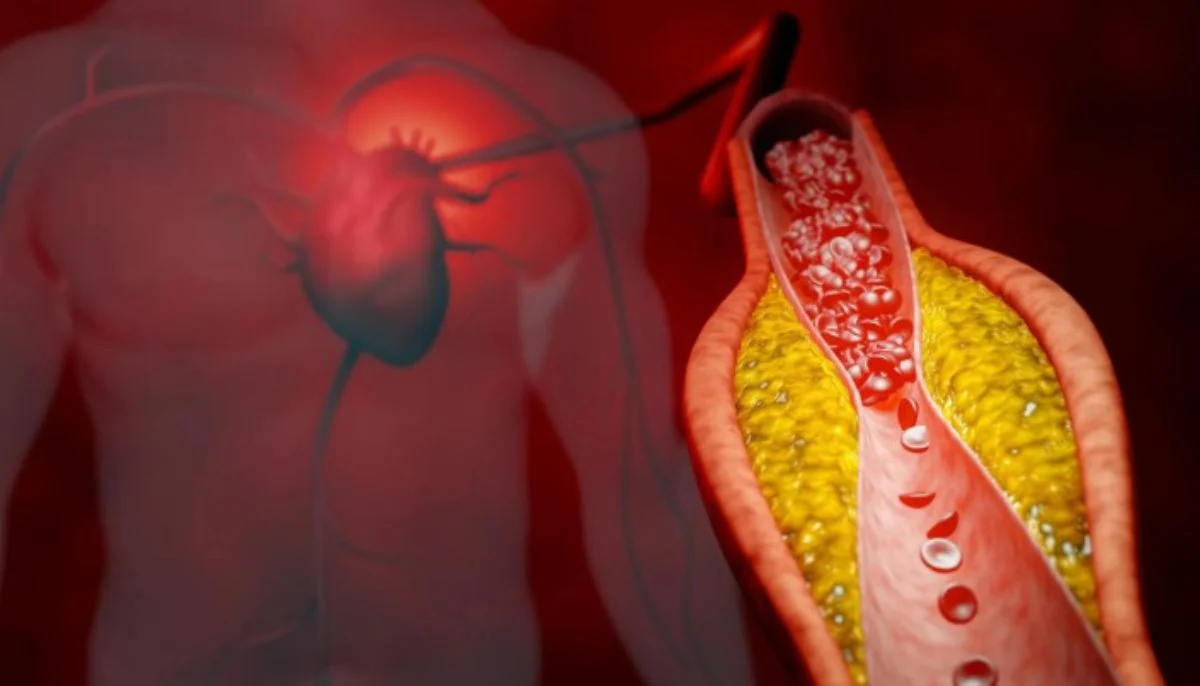
Bad cholesterol can majorly affect your health and sometimes lead to heart attacks and strokes, which can be fatal.
Scientists have introduced a new innovative method to reduce bad cholesterol. Early results show large drops in cholesterol levels without the side effects typical of standard drugs.
Side effects of bad cholesterol:
Bad cholesterol, or low-density lipoprotein LDL is a waxy substance that transports cholesterol to cells, causing excess levels to get deposited in artery walls, restricting blood flow and significantly increasing the risk of heart attacks and strokes.
A new DNA-based treatment blocks a key protein that keeps bad cholesterol high, helping the body clear it more effectively.
High levels of bad cholesterol in the bloodstream can lead to hypercholesterolemia, a condition that damages arteries and increases the risk of heart disease, so the new treatment promises to reduce bad cholesterol by about 50%, which could contribute to a big relief for doctors.
Researchers at the University of Barcelona and the University of Oregon have developed a promising new approach to controlling cholesterol levels, offering a potential new way to tackle atherosclerosis, which occurs when fatty plaque builds up in artery walls.
Treatment of bad cholesterol:
Researchers have developed small DNA-based molecules that turn off PCSK9 – a key protein that keeps “bad” LDL cholesterol circulating in the blood.
By blocking this protein, cells can absorb more cholesterol instead of allowing it to accumulate in the arteries, dramatically reducing levels linked to heart disease.
The research team focused on a new type of protein that plays a central role in regulating levels of the low-density lipoprotein cholesterol LDL, often called “bad” cholesterol.
They devised a method to block the production of this protein using special DNA-based molecules called “polypurine hairpin PPRH”.
By suppressing PCSK9, the treatment helps cells absorb more cholesterol, reducing the amount circulating in the blood and limiting buildup in the arteries.
The researchers tested the therapy in lab-grown liver cells and transgenic mice carrying human genes.
The findings were originally published in the journal Biochemical Pharmacology.
If confirmed in further studies, this new strategy could provide a safer and more targeted way to lower cholesterol and heart disease risk and change the way high cholesterol is treated, offering a powerful alternative to traditional drugs.
