


It started with a dirty vent, or dirty bottom in non-chicken parlance. One of my Copper Marans had some poop stuck to its super furry feathers around the vent. The girls and I bathed him to clean him up, remember?
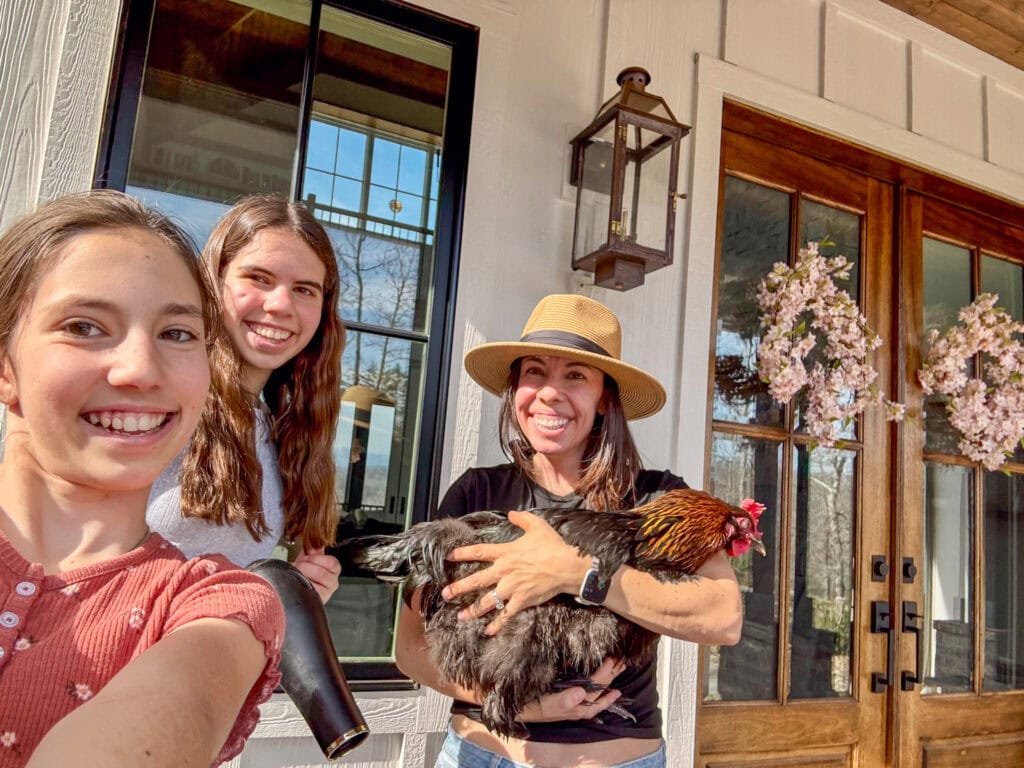
Ms. Wednesday did absolutely fine with the experience and everything looked good. However, then he started getting bald spots on his chest and back. This may have been due to her being the Earl’s “favourite” and having excessive intercourse with him. I ordered one chicken saddleA protective barrier that she wore to protect her skin and feathers from its sharp claws.
As I waited for the saddle to arrive, I kept looking at him and his poor little bald patch and the internet algorithm must have heard my thoughts (as it has a tendency to) and the next thing you know, I’m deep into learning about mites on chickens.
Gross, right?
However, what I have learned is this- mites are very common, especially if your chickens are free range (check) in largely wooded areas (check). The first sign is usually a dirty vent and if not treated the mites can destroy the feathers. If one chicken has these, you can go ahead and assume that they all do or will do this, so you should treat them all.
I’m not known for my placidity when it comes to the well-being of my people and animals, so I immediately decided that we needed to clean out the entire henhouse and treat all the chickens. I ordered the gold standard of treatment, elector pspBut when I saw that it would not arrive for two weeks, I decided to go permethrin route.
Elector PSP is expensive, but a little goes a long way and is a good treatment as it kills the mites and eggs. Permethrin also works well but you will have to repeat the treatment after 7-10 days as it kills live mites but not the eggs. I was very eager to fix the problem and couldn’t wait for the Elector PSP, so we bought a bucket and got to it.
I was very grateful that David offered to help. Bless that man for being so supportive of my chicken dreams. The first step was to completely empty the coop and burn the bedding. I was using hemp bedding as it is supposed to be the best and dust free. However, I discovered I’m on the “clean the coop more often” team instead of the deep litter, so I switched to pine shavings.
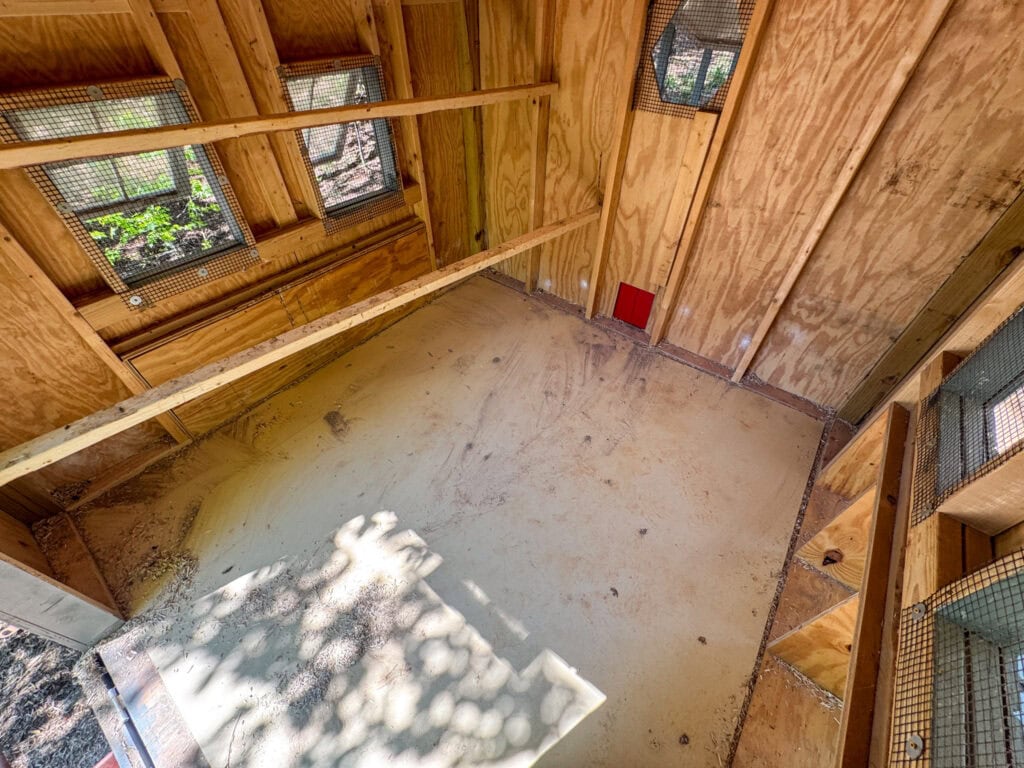
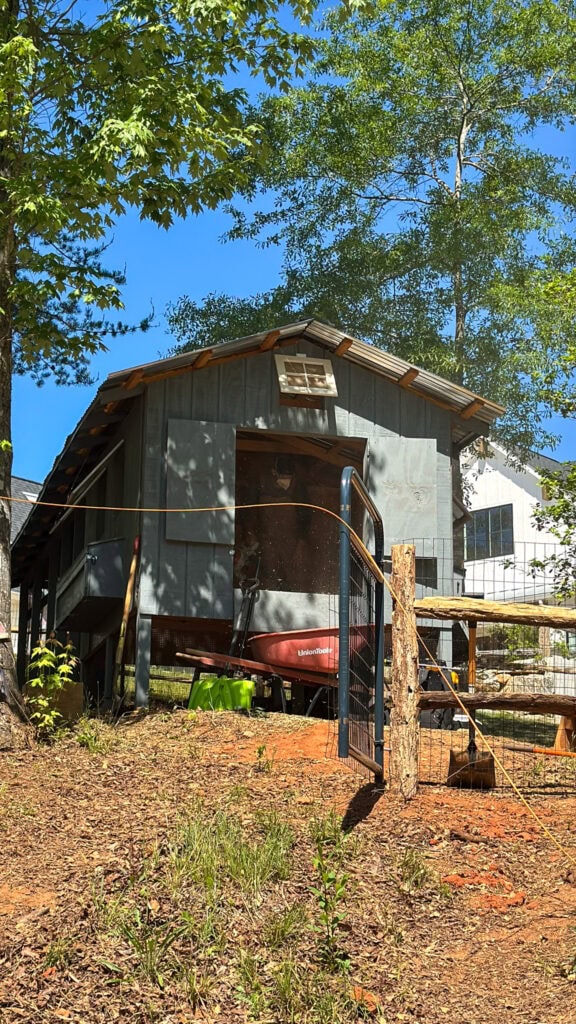
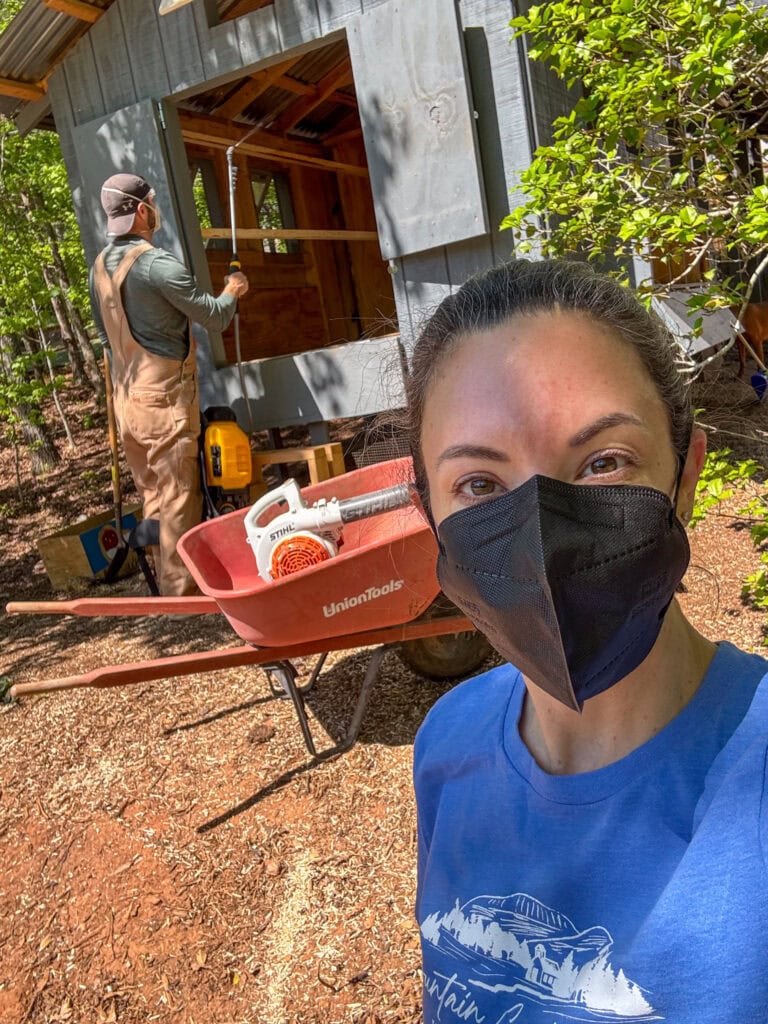
We burned the hemp and nesting pads. I cleaned every nook and cranny and then David went back in with the leaf blower for good measure. He diluted permethrin and sprayed it all over the coop-nesting boxes, walls, and ceiling slats. Everything.
While the henhouse was dry, it was time to focus on the chickens. We were most nervous about Earl. Our resident rooster is really quite a jerk. I still don’t know what to do about him, but for now he’s doing his job and protecting the women, often pouncing on us so much that we take him cop scoop Join us to stop his efforts.
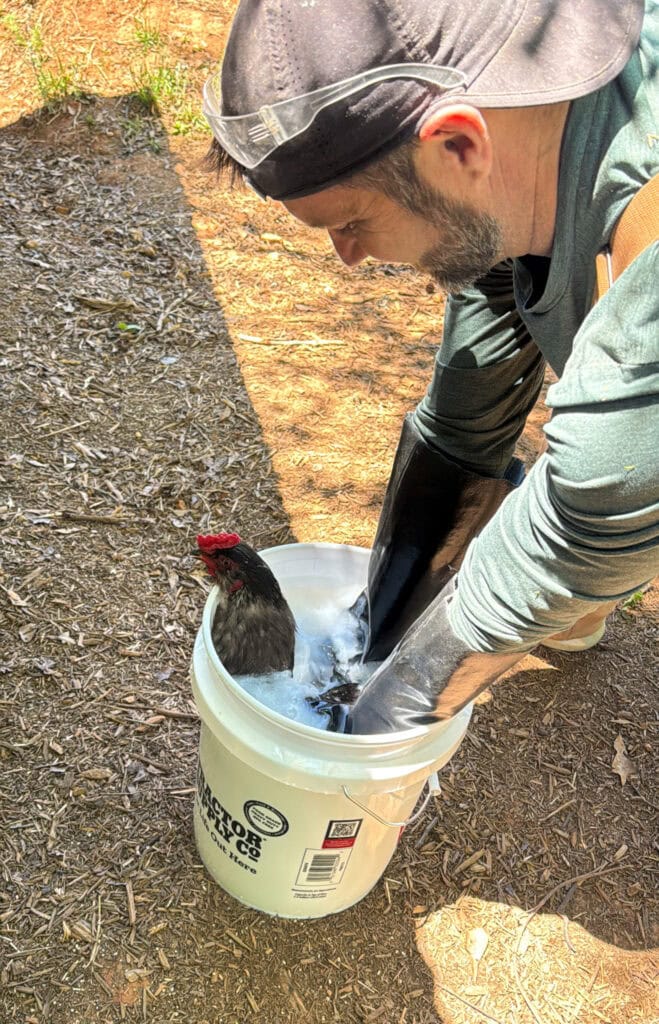
After much internet research, reading articles and watching videos from chicken experts, we decided on the dunking method. We added 1 ounce of permethrin per gallon of water and decided to start with Earl.
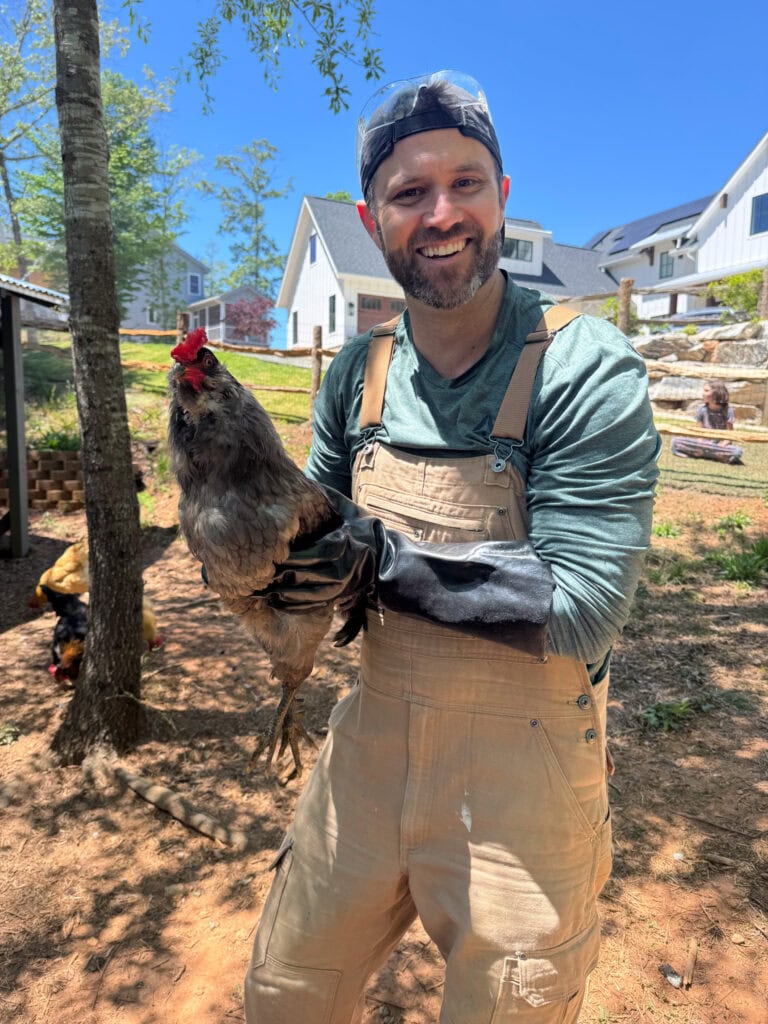
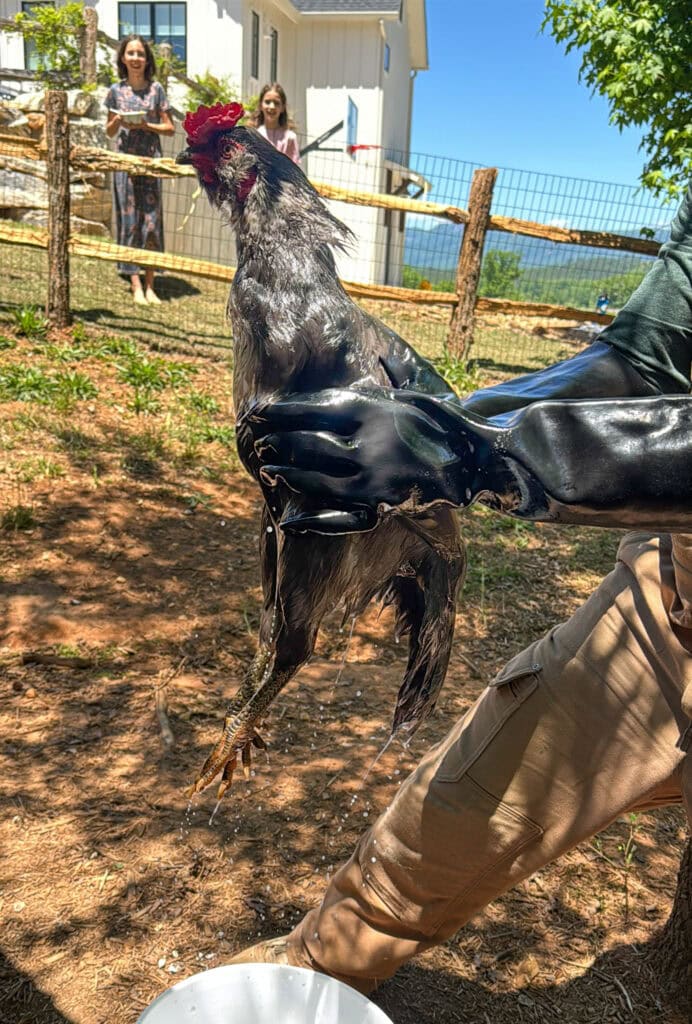
Wearing gloves, David walked over to her and immediately grabbed her! The Earl’s face was hilarious, looking confused and helpless, but he didn’t struggle. David took him straight to the bucket and dipped him in the bucket, keeping him in the bath for 60 seconds (not submerging his head) to make sure it got into all the feathers.
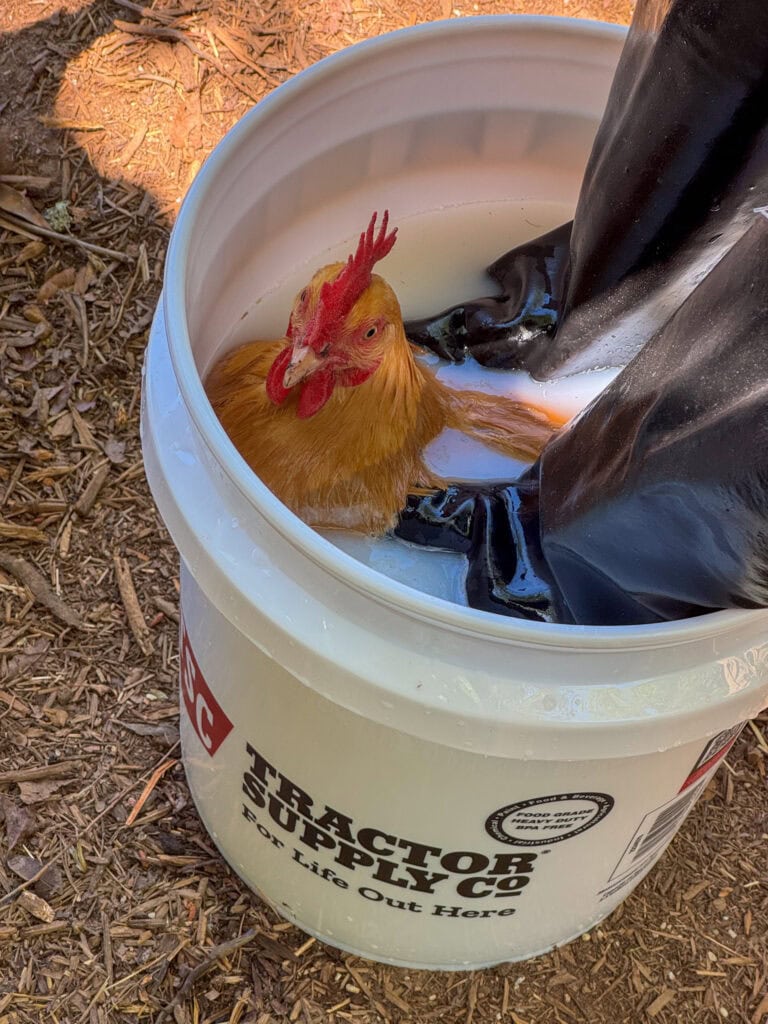
Once it was placed in the sun to dry, we started doing the same with all the chickens. None of them bothered to take a bath and actually sat in it quite comfortably for a few minutes.
However…
About halfway through the flock we noticed that the hens appeared to be drunk…drunk?
He was having trouble walking, stumbling, falling, or standing in the corner of the coop and moving around too much.
I don’t want to say I was nervous, but I certainly wasn’t put off by it. I started Googling quickly and was getting AI results talking about possible toxicity. What?! I had never heard anything about it in any of my prior research and tears streamed down my face as I decided we needed to wash the ones that were rough.
David, the rock, remained steady as ever and together we washed Hehe and the BFG with warm water, then wrapped them in a towel and I sat with my chickens in the sun hoping I didn’t make any major mistakes.
Then gradually, as their feathers dried, they began to become happy. Slowly as before, but then their interest in the Grubblies came back and before I knew it, they were happily roaming around pecking at the ground.
I’m still not sure what exactly happened, but Google tells me it was probably not poisoning, but rather the shock of being dunked in a bucket of water and getting cooled quickly. We used hot water, but maybe even after that the temperature dropped?
Whatever the reason, I was very happy to see them all fixed up and now that everything was dry, I got to work putting the coop back together. I added something coop conditionerfresh shavings, and fresh nesting pad.
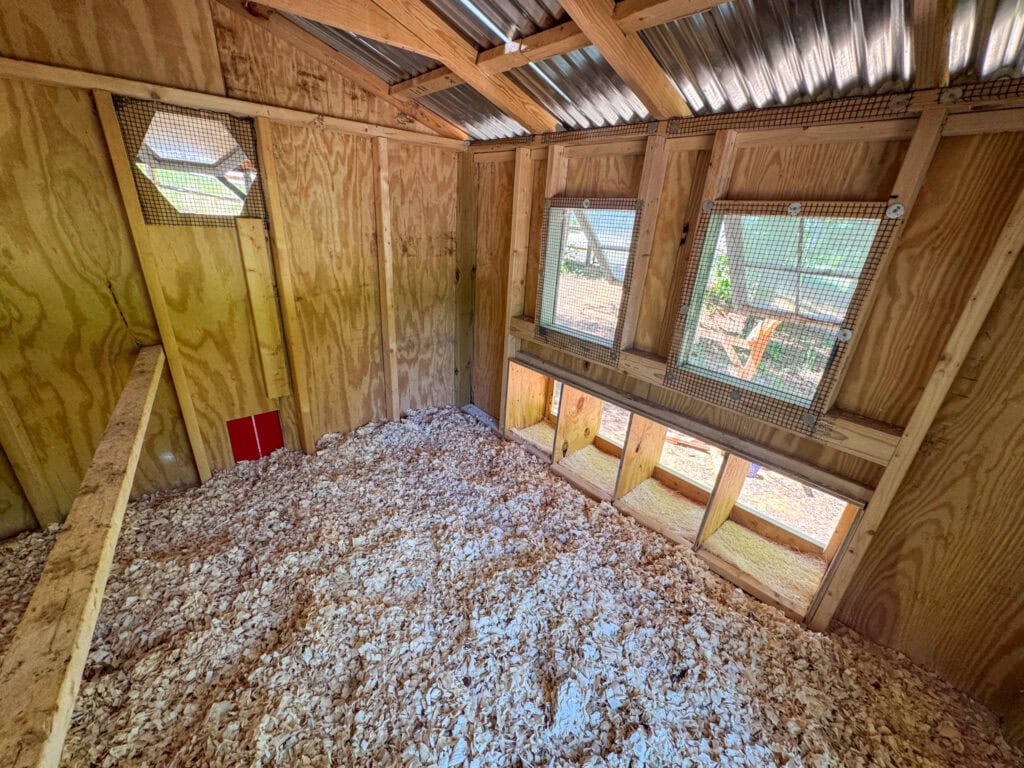
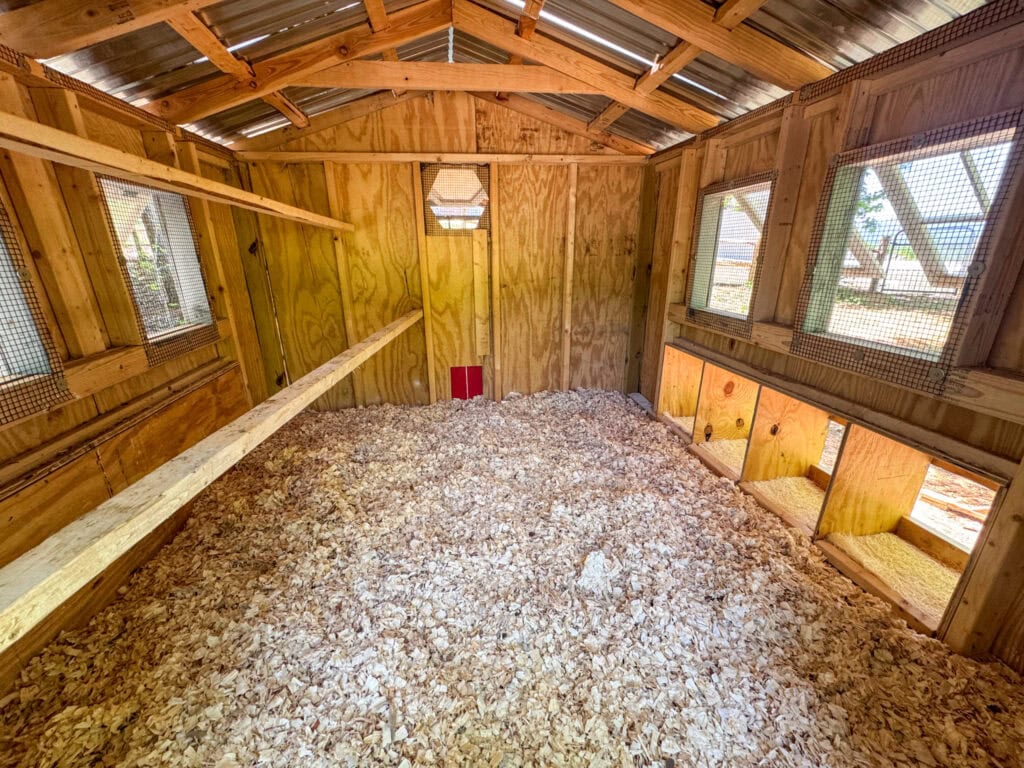
The real kicker?
I did not see any mites in the house during this cleaning process. I didn’t see any mites in the chicken’s feathers either. Perhaps some debris which could be anything from dirt to dust and maybe even mite eggs? But nothing is crawling.
So I confessed to David after our 6 hour ordeal that I wasn’t quite sure there was a problem to begin with… but a fresh cop sure felt good!
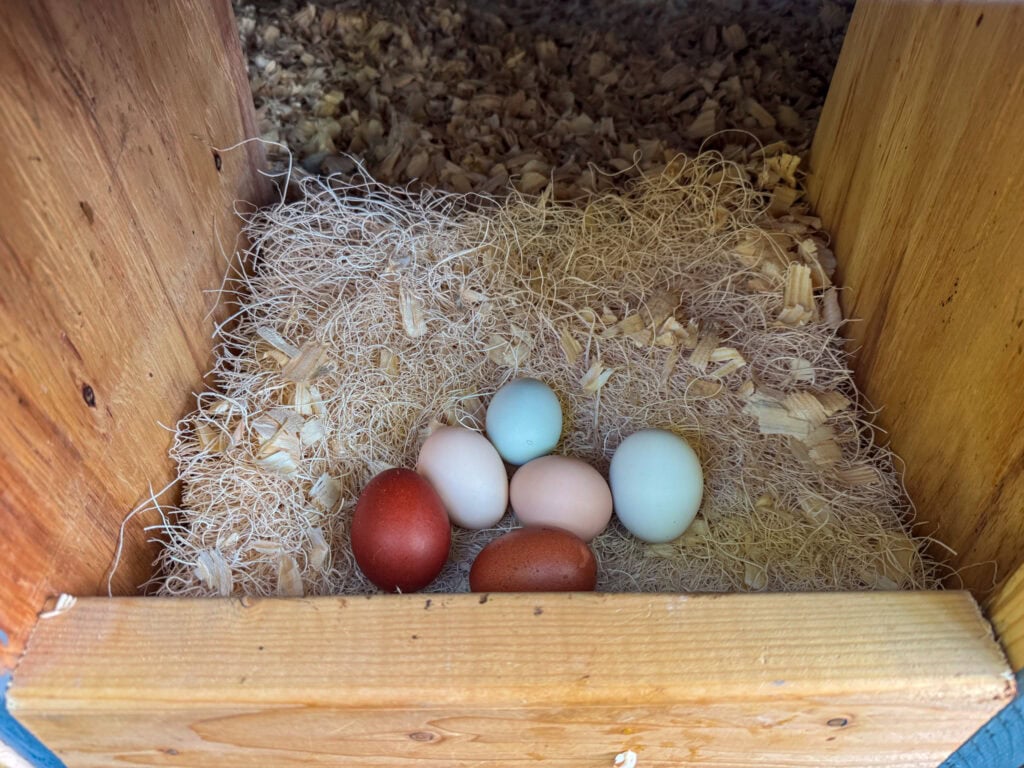
I think the girls agreed because the next day there were six bright and beautiful eggs (all in the same nesting box because it’s true… you can have as many nesting boxes as you want and somehow they will all love the same egg.
And that concludes my chicken story for today, but I think it’s very easy to glamorize chicken ownership on the internet and I understand why. I really love my chickens and can watch them all day long running around, exploring and pecking at the ground. I appreciate the eggs they give us. But it’s not all cute costumes and baskets full of colorful eggs; Sometimes it’s a face mask, sprayer and bucket dunk.
