

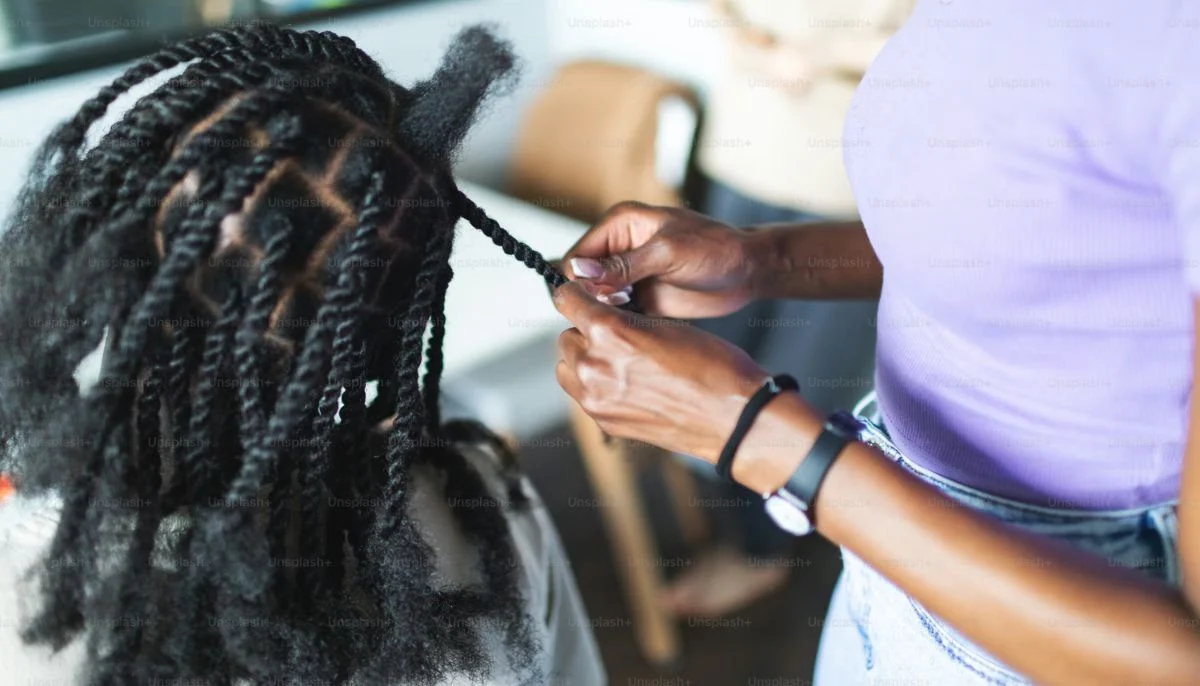
A study by the Silent Spring Institute has raised concerns about chemicals hidden in everyday beauty products, especially the hair extensions worn by millions of women. Chemist Alicia Franklin tested 43 braiding hair products and found that the products contained flame retardants and organotin compounds and phthalate chemicals linked to cancer and birth defects and reproductive harm.
Franklin’s study arose from her realization that her colleagues were attempting to free home sofas from flame retardants when women used flame retardants braiding hair on their heads.
“If they’re trying to get rid of flame retardants from sofas, why do we use these products so closely in our everyday lives?” he asked.
The findings extend beyond hair braiding. Cosmetic chemist Ami Zota showed that all people who use cosmetics will experience chemical exposure through the use of soaps, lotions, and toothpastes.
However, FDA regulation is minimal and largely voluntary. The trial focuses on short-term reactions like rashes rather than long-term cancer risk or reproductive damage.
There is little government funding and regulation for the FDA. Most testing is done by the corporations themselves, looking at single ingredients as opposed to their collective effect.
This approach does not protect consumers from potentially dangerous preservatives, formaldehyde donors, and various other toxins found in everyday use products.
An example of this would be lotion. Franklin said lotions typically contain several preservatives to remain shelf-stable, including formaldehyde donors. Because lotion remains on the skin without being washed off, prolonged exposure increases the risk. Apps like Clearya and Skin Deep make it easy to understand chemical ingredients. But real safety lies in consumers’ knowledge and company’s responsibility.
