

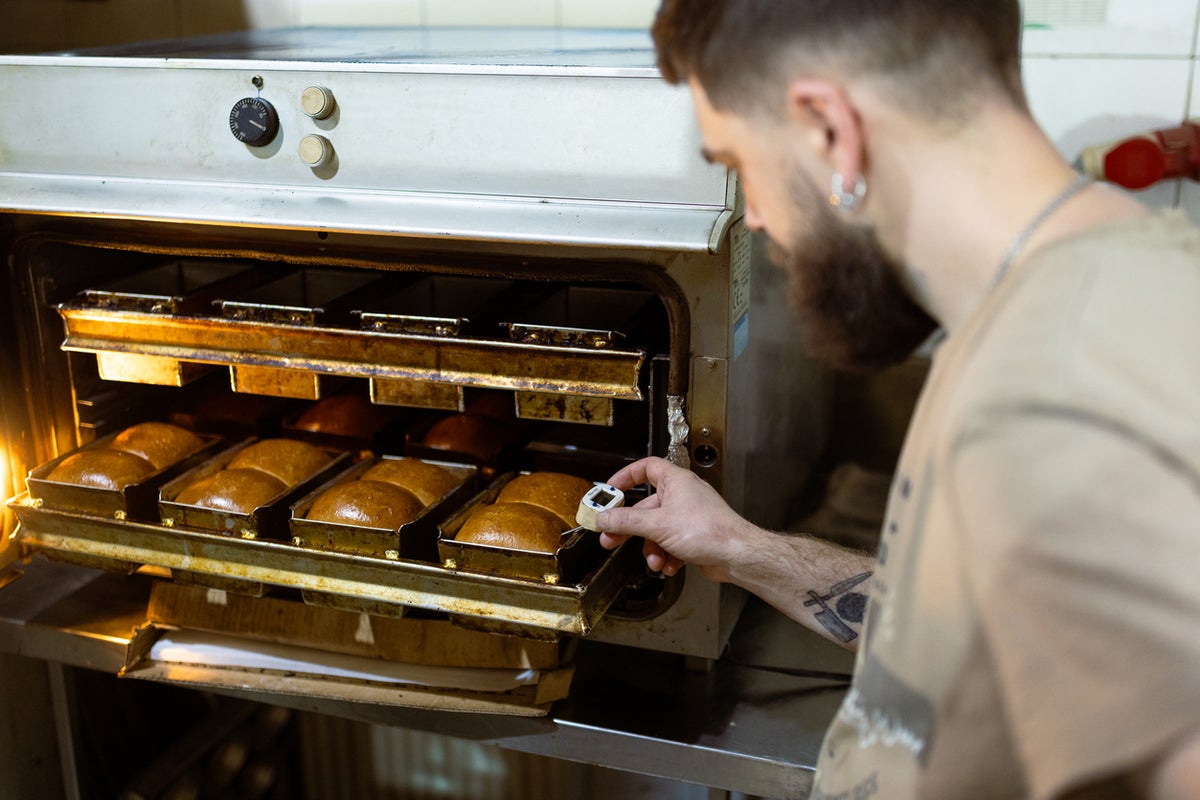
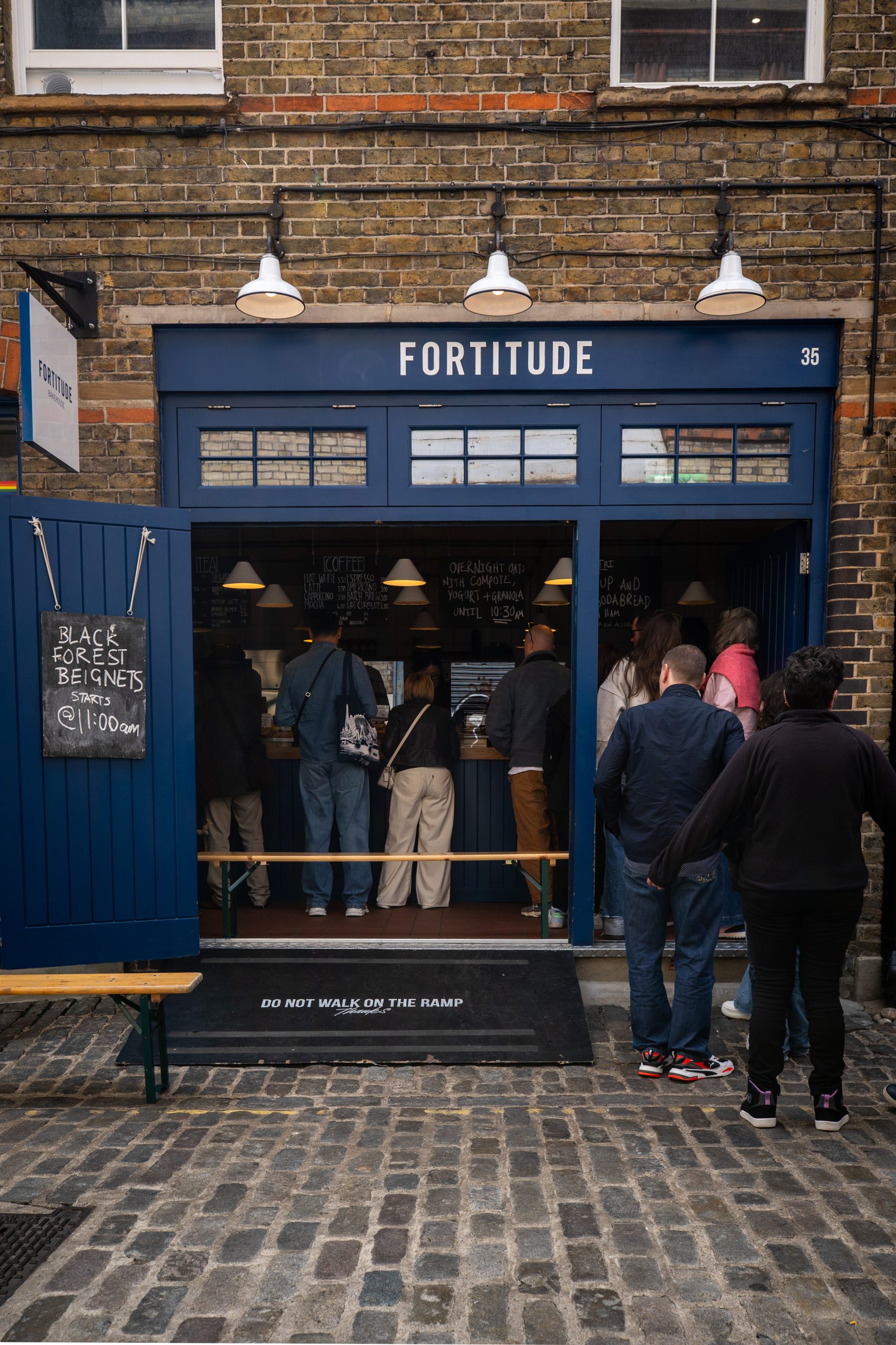
At Fortitude Bakehouse in central London, June’s record-breaking heatwave began at 2am. Usually, the bakery’s first shift runs from 4am to midday. But as temperatures climbed towards 37C, co-founder Dee Rettali pulled the whole operation forward, paid for staff to get Ubers in and made sure everyone left by 9am
“It was a bit like going to war,” she tells me
That may sound dramatic until you remember that baking is not merely cooking in a hot room. Baking is about temperature. Bread dough, butter, yeast, cream, chocolate, fridges, freezers and human hands all depend on conditions being cool, consistent and controlled
Bread is typically proved at around 24-26C, sometimes up to 29C if a faster rise is needed. But bakers say some kitchens are now sitting in the late 30s and early 40s during heatwaves. At that point, heat stops being background weather and becomes the most disruptive ingredient in the room
“It was horrible,” says Emily Skimming, head of pastry at Morchella in London. “Our kitchen’s not air-conditioned. I’ve worked in kitchens in summers before, and this was just another level.”
Bread, in particular, becomes a race against the room. Yeast does not wait politely for the baker. In warm conditions, it moves faster, meaning dough can prove too quickly, losing the slow, controlled fermentation that gives good bread its structure and flavour. “We have to put the bread in the fridge for the turns and folds,” says Skimming. Some bakers do that already, but during the heatwave, “I was doing the whole process in the fridge, and adding a lot more ice to the water to keep it extra cold. It proves quickly, and then you’re not confident that this is going to be nice bread tomorrow.”
It is one reason flatbreads are so common in hotter countries: not because they are immune to heat, but because many are quicker to mix, shape and cook, and do not rely on butter, yeast or the tightly controlled chill of a pastry kitchen. As heatwaves become more common in Britain, it’s feasible that we see cafes and eateries swerve to making flatter delicacies
Focaccia, with its high hydration and slack dough, needs particular care. “It’s quite a wet dough, and it needs to be cold,” Skimming says. “I had to double the amount of ice so that the water was super cold.”
Freelance chef Diarmaid Goodwin had the same problem while making focaccia for a wedding. “I had to be really careful about over-proving because of the heat and the yeast,” he says. “I was actually proving in the fridge as well and holding my breads in the fridge so it wasn’t too hot.”
In some bakeries, rye doughs may be swapped in because they can tolerate slightly warmer proving conditions. Elsewhere, freezer space becomes precious real estate. Flour, butter, bowls and even rolling pins are chilled or frozen in an attempt to give bakers a few extra minutes before the heat wins
If bread is temperamental, pastry is worse. Croissants, danishes and puff pastry rely on lamination: the careful folding of butter between layers of dough so that, in the oven, those layers lift, separate and flake. In a heatwave, butter begins to soften as soon as it leaves the fridge. If it melts into the dough, the architecture collapses before the pastry has even reached the oven
“The initial dough itself has to be very controlled,” says Rettali. “We’re having to work in smaller batches, especially with our croissants, which makes the day longer. We have more people working at the same time, like a factory line, to get it into the fridge as quickly as possible
I had to be really careful about over-proving because of the heat and the yeast. I was actually proofing in the fridge as well and holding my breads in the fridge so it wasn’t too hot
Diarmaid Goodwin, freelance chef
“If the start of your process goes awry, the next bits can only get worse.” At Fortitude, they have even been pointing a fan directly at the laminating machine “so that when we’re making croissants, the butter doesn’t melt into the dough”
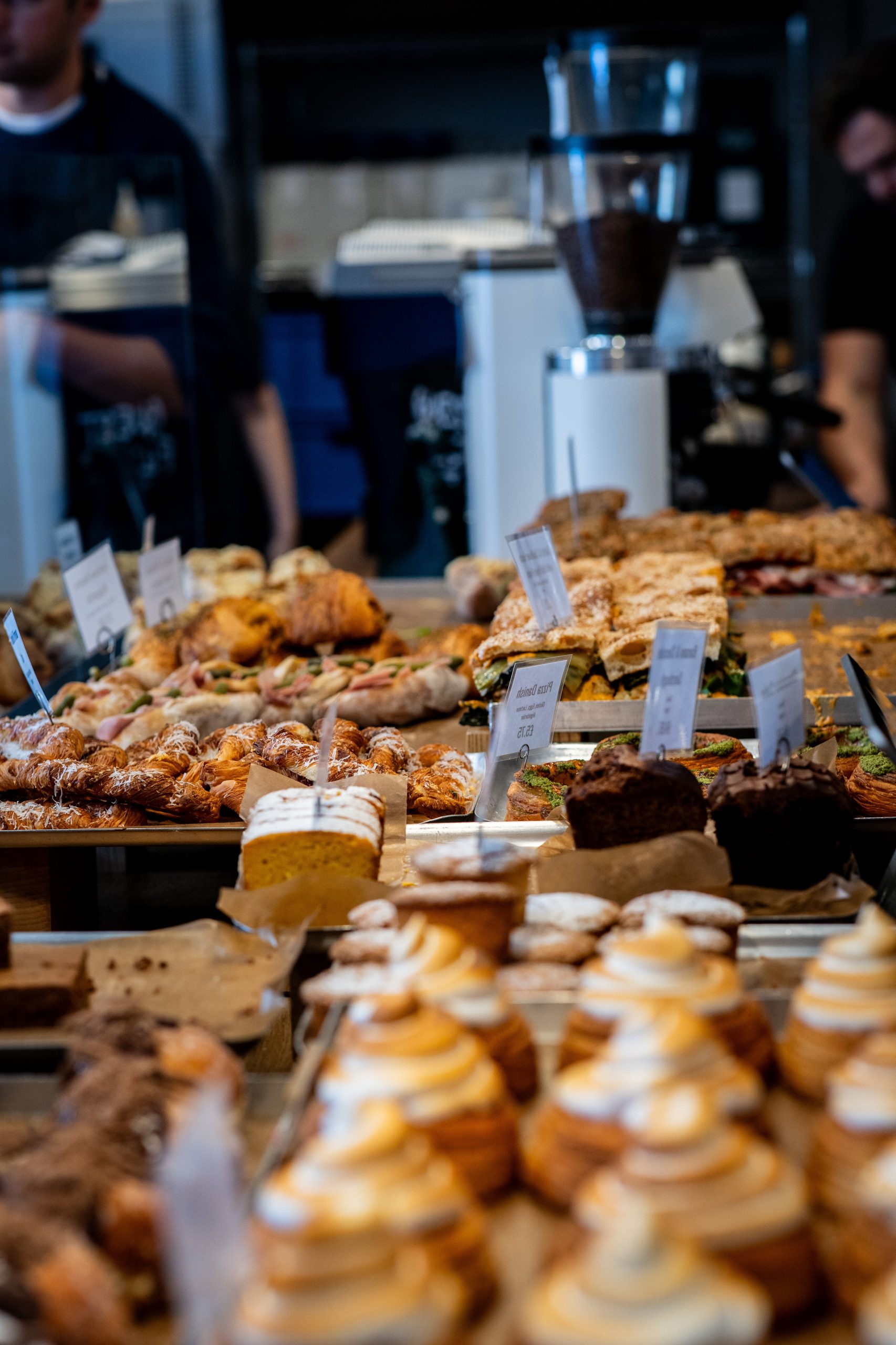
The result is that some of the products most associated with Britain’s bakery boom – sourdough, croissants, flaky pastries, cream buns, ice cream sandwiches – are also among the most vulnerable to heat. “The quality of the viennoiserie [croissants, danishes, etc] worsens because keeping the layers cold becomes nearly impossible,” says Adriann Ramirez, head of pastry at Fink’s. “Cakes and cookies dry out much quicker, so their shelf life becomes much shorter.”
The machines, too, struggle. Fridges and freezers are opened more frequently because ingredients can no longer sit out, but every open door lets more hot air in. The units then have to work harder to recover, sometimes beyond what they can manage. “We had both our compressors break. The compressors cool everything down and if they can’t cool themselves, it just stops working,” says Rettali. “That’s unprecedented in all the years I’ve been baking to have, on the same day, within an hour, in different sites, both walk-in fridges break down.”
I learned early on that a good trick is to use a frozen chopping board whilst portioning. When the chefs can’t find chopping boards, they’re usually all in the freezer!
Felice Caffrey, head of pastry at Montrose
At Morchella, the freezers failed at exactly the wrong moment: in the middle of dinner service, on the hottest day of the heatwave. “We’ve got one sorbet on the menu and obviously that was going to be everyone’s favourite thing,” says Skimming. “Then our freezers went down and weren’t coming back up. I was just like, I can’t serve slush. It was brutal to have to tell people.”
Felice Caffrey, head of pastry at Montrose, in Edinburgh, has been battling the same problem. “The heat can affect everything, including the chef!” she says. “Butter is moving out of your desired temperature faster, yeasts are moving faster, ice creams are melting and chilling equipment will start to struggle. I rely on a blast chiller for a lot of my work and it’s not been having the best time lately.”
Her solution is part technique, part kitchen scavenger hunt. “I learnt early on that a good trick is to use a frozen chopping board whilst portioning. When the chefs can’t find chopping boards, they’re usually all in the freezer!”
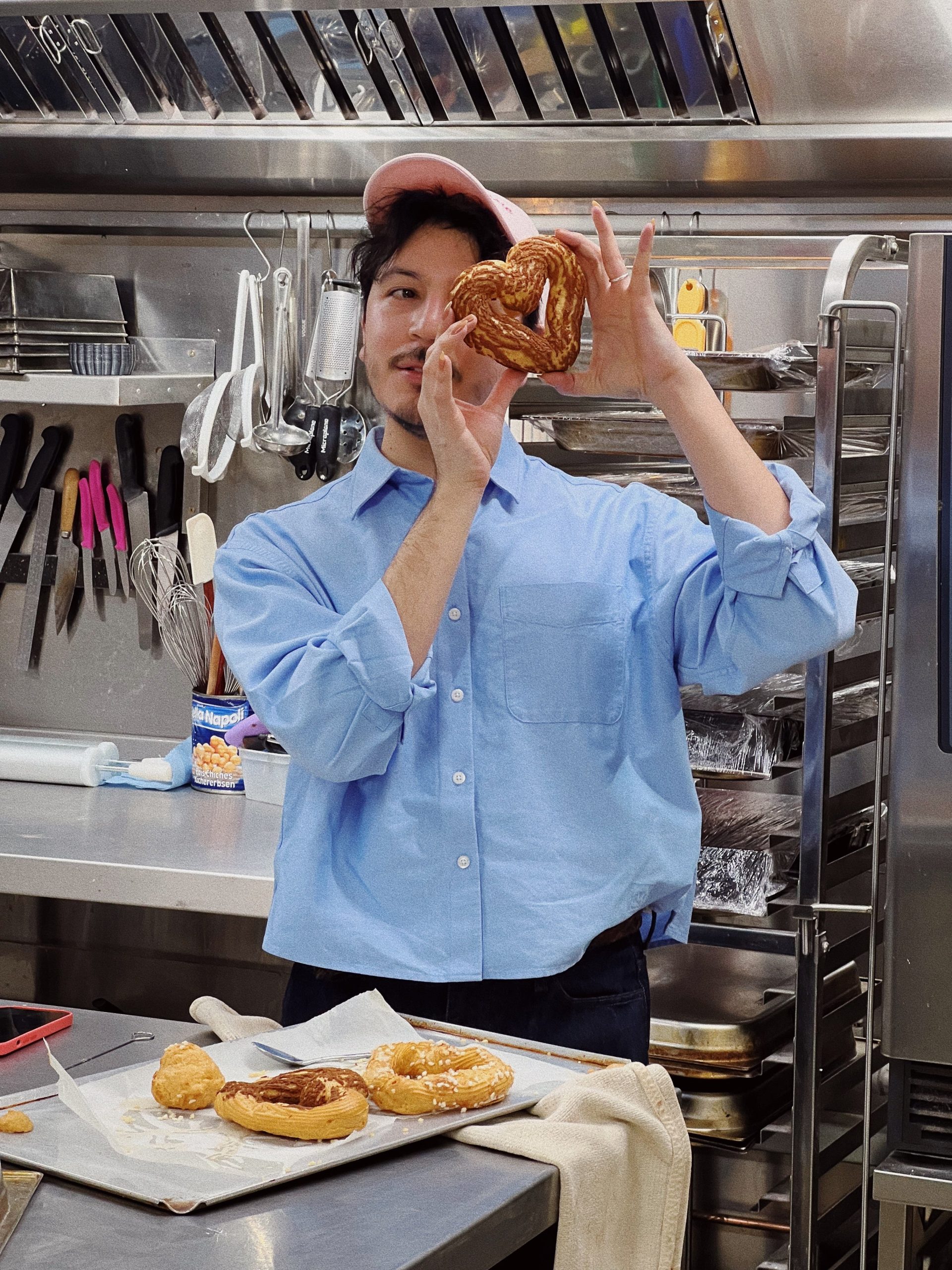
For the customer, the disruption may be subtle at first. “We do a lot of cream-based products,” says Rettali – Fortitude is famous for its beignets – “which we have to pull when it’s really hot. We also do ice cream, which sells a lot, so that balances it out.” At Fink’s, Ramirez says the menu has had to shrink. “Items with cheese, cream, meats, etc, have such a short counter lifespan that they become useless to produce and not very pleasant to eat.”
Caffrey has tried to make the changes feel seasonal rather than apologetic. She switched the house bread to focaccia and olive oil a few weeks ago, instead of the rustic sourdough with seasonal compound butter. “I really love it but… it was difficult to keep the butter at a stable temperature.” She also batch-prepares puff pastry in the freezer during spring to get through the increasingly hotter summers
At Claridge’s, which opened its bakery in January, the ambition is for guests not to notice at all. “We have signature creations that our guests love too much to just not make them,” says executive pastry chef Thibault Hauchard. “During hot weather, we can change our start and finish times to take advantage of the cooler morning or evening temperatures. I also keep a close eye on the ingredients like butter, cream and chocolate, chilling them more often.”
The strain is not only technical. It’s human. Bakeries are already hot places to work. Add a heatwave, ovens, steam, early starts and broken fridges, and staff morale becomes as important as sourdough. “Something that becomes the most difficult thing to manage is staff morale,” says Ramirez. “Our business can’t run without our bakery, so it’s about making sure they’re comfortable enough to work through the discomfort.”
At Fortitude, the head baker bought ice lollies for the team. Staff sat outside in the shade. But Rettali is clear that there is only so much that helps when the whole week becomes a logistical assault. “It’s not great for your headspace,” she says. “We have a double whammy where we have this at work, and then we leave work, and we’re thinking, is the fridge going to break down? Are we going to get in in the morning and there’s going to be dough everywhere? And everybody is tired.”
The business takes a hit, too. Hot weather does not necessarily mean busy bakeries. “We’re right in the centre of London, so a lot of people were simply not going out or avoiding the Tube,” says Rettali. The costs, meanwhile, only mounted: Ubers for staff, commercial air-conditioning units, repairs, food waste, shorter shelf life and the extra labour of working in small batches. “We definitely lose money in a heatwave,” she says. “If it’s going to continue to get this hot, it’s going to become less busy for us at what should be our busiest time of year.”
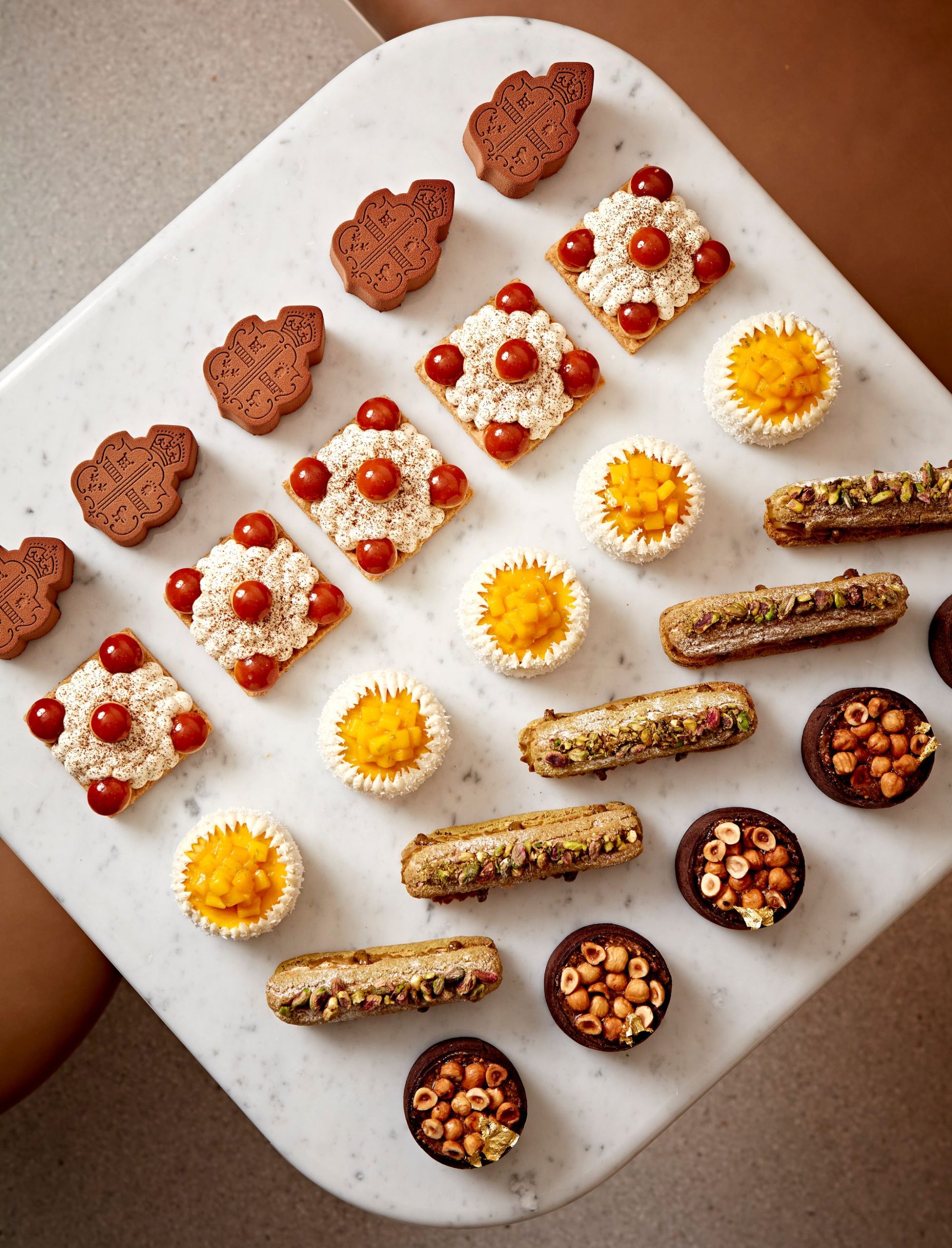
Ramirez says many bakeries are in old converted spaces that may look charming but are hard to run practically. “I would reckon the more charming the space, the worse it is,” he says
Caffrey, who is Australian, finds British infrastructure especially striking. “I wonder why equipment struggles so much in the summer here,” she says. “I’m Australian and I’ve never seen a supermarket freezer out of action during the summer there. There would be anarchy.”
Rettali remembers July 2022 as the first summer that felt “really unnatural”. Fortitude had already invested in air conditioning by the time the heatwave hit last month, but it “just didn’t touch the sides”. Now the bakery is keeping its hired commercial aircon unit for the whole summer and investing in a new extraction system. “It’s obviously an arm and a leg, but I would much rather people be comfortable,” she says. “In the long run, it’ll be worth it because this isn’t going to go away.”
For now, your local bakery may still look calm: loaves stacked, croissants flaking into paper bags, buns glazed and waiting. But behind it is a choreography of frozen bowls, chilled benches, smaller batches, earlier starts and quiet panic over what the fridge might do next
“It’s my life’s work,” says Rettali. “I want to make people happy when they come in. But it is definitely not in any way a standard week when you’re dealing with the heat. We’re like swans.”
Above the counter, everything is meant to look effortless. Underneath, everyone is paddling like mad
