

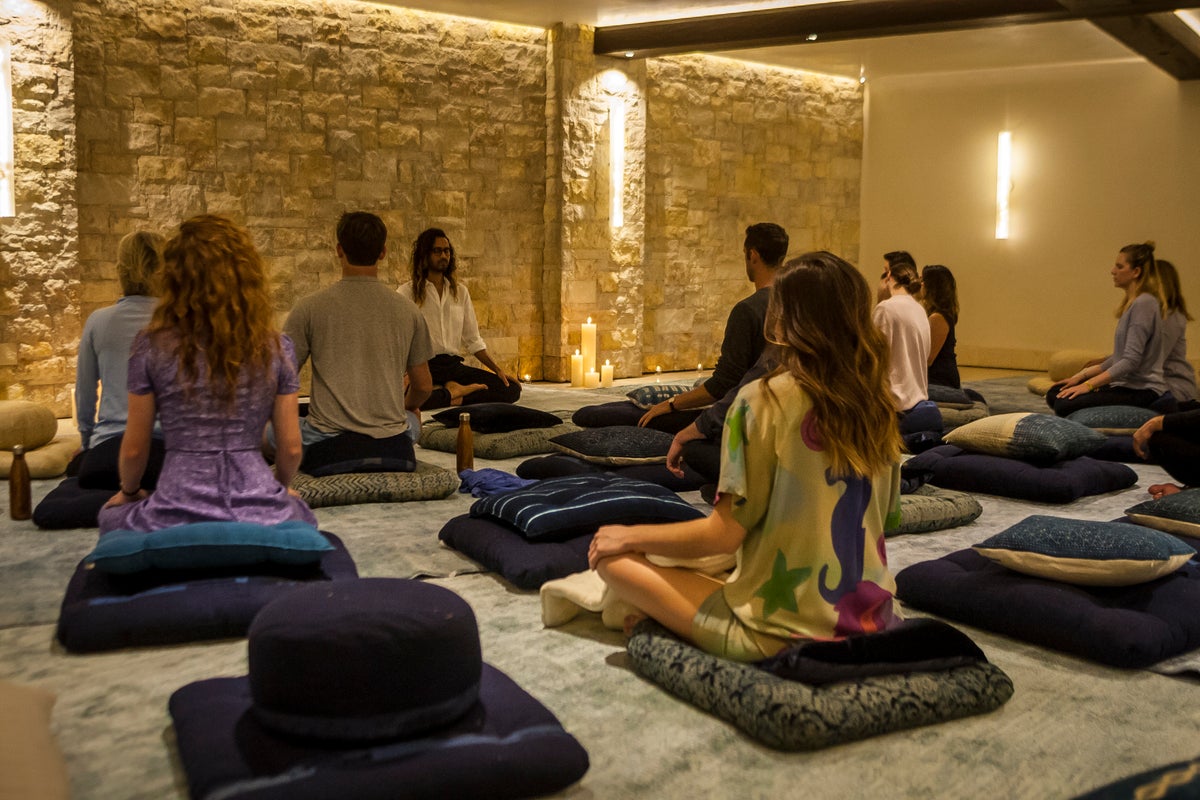
Just seven days of intensive meditation can lead to changes far beyond physical relaxation, including the formation of new brainconnections, a new study reveals
Cultures around the worldhave practised different forms of meditation for thousands of years to improve health and wellbeing. Yet, the exact impact of the practices on the brain remains unclear
Researchers conducted the first comprehensive study of the biological effects of mind-and-body practices delivered as a short, intensive programme. “We have known for years that practices like meditation can influence health but what’s striking is that combining multiple mind-body practices into a single retreat produced changes across so many biological systems that we could measure directly in the brain and blood,” Hemal Patel, author of the study published in Communications Biology,said
“This isn’t about just stress relief or relaxation,” he said, “this is about fundamentally changing how the brain engages with reality and quantifying these changes biologically.”
The small study involved 20 healthy adults who took part in a seven-day residential programme that included daily lectures, about 33 hours of guided meditation, and other related practices
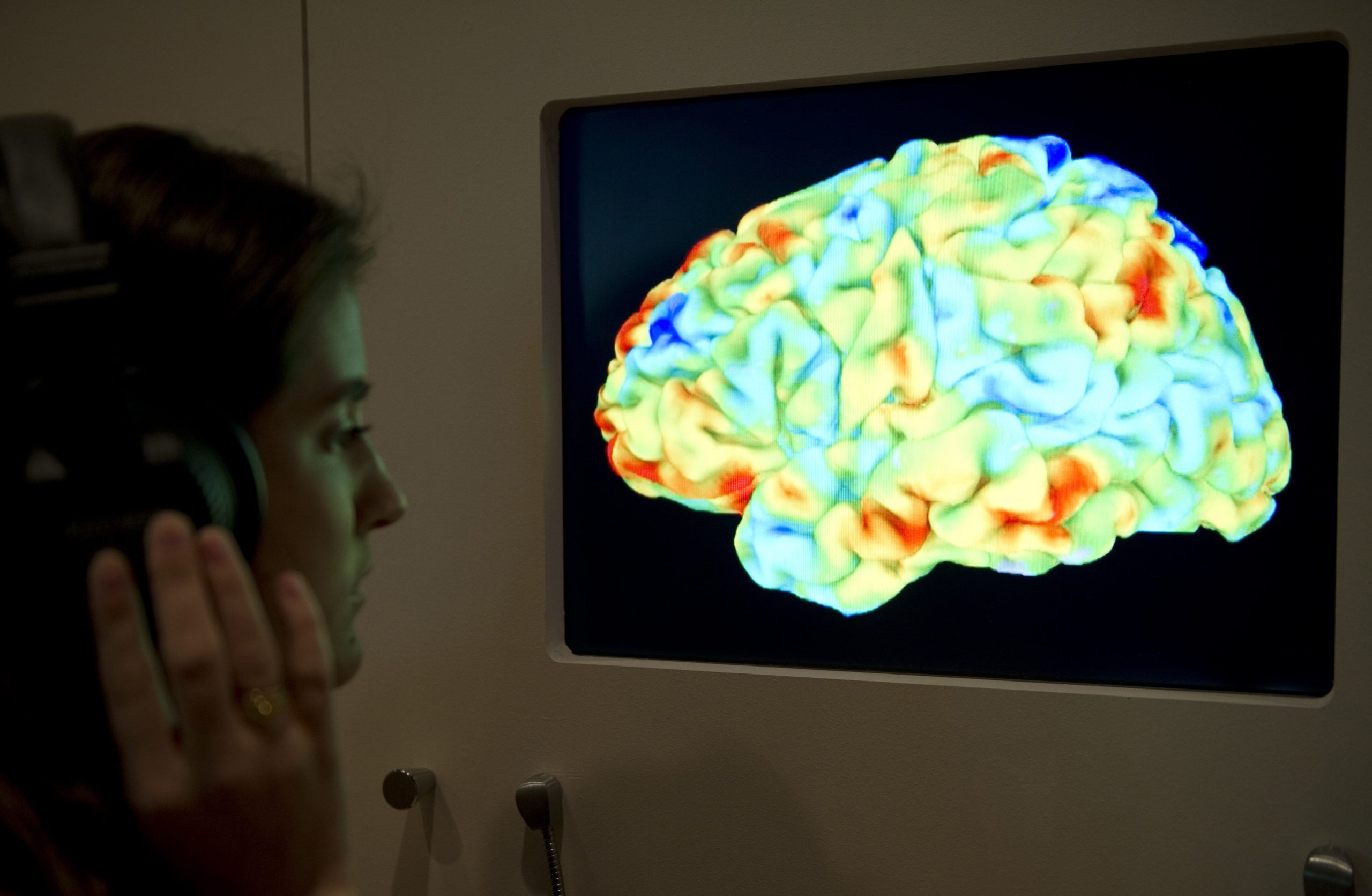
Researchers examined the brains of the participants using MRI scans before and after the retreat. The scans can detect changes in blood flow associated with brain activity, enabling researchers to observe which areas and networks are more or less active
Researchers also collected blood samples from the study participants to assess changes involving metabolism, immune activity, molecular signalling, and other biological processes
They found that brain activity became less pronounced in regions associated with internal mental chatter during meditation. This could be a sign of more efficient brain function, they noted
When lab-grown neurons were exposed to blood plasma collected from the participants after the retreat, they developed longer branches and formed more connections, indicating the brain might become more adaptable
Cells exposed to post-retreat plasma from the participants also showed increased metabolism
In the blood samples of the participants, scientists found more inflammatory and anti-inflammatory signals following the retreat, suggesting that their immune systems were undergoing a complicated adaptive response
The scans suggested meditation was capable of producing some of the same types of brain changes associated with psychedelic experiences
“We’re seeing the same mystical experiences and neural connectivity patterns that typically require psilocybin, now achieved through meditation practice alone,” Dr Patel said
Psilocybin is the psychoactive compound found in the so-called “magic mushrooms”
While this finding doesn’t mean meditation and psychedelic drugs produce the same effects, the study notes, it indicates that the two very different experiences may engage overlapping brain processes
Scientists hope further controlled clinical trials are conducted to determine whether the observed biological changes translate into meaningful treatment benefits
