

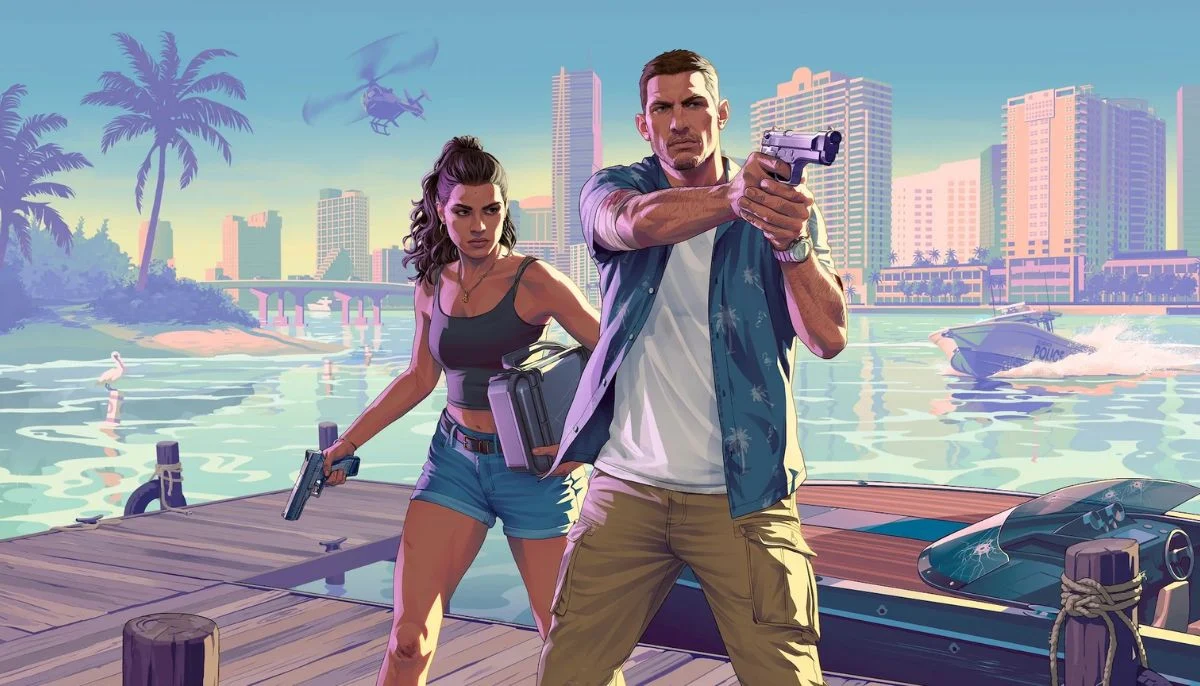
A GTA 6 fan account has been forced to issue a public apology after receiving a termination letter from Take-Two Interactive for posting AI-generated images that used Rockstar Games’ copyrighted assets.
These images appeared to be genuine leaks and were widely distributed even before official warnings were made public, raising an issue that most content creators would never have thought about: What is the risk of posting such images online?
The social media account known as @GTASixJoker on X issued a public apology after agreeing to Take-Two’s terms. “I sincerely apologize to Take-Two for the misuse of their copyrighted material and registered trademarks,” the social media user wrote. Acknowledging that “training AI models with protected content may violate applicable laws and regulations.”
This was not an act of goodwill; This was a condition of solution. The user confirmed that Rockstar’s copyrighted IP was used to create the images and agreed to stop producing content that could potentially appear as a Grand Theft Auto VI leak.
A cease-and-desist order enforces the provisions of United States copyright law contained within 17 USC §§ 106 and 501. Section 501 states that the intentional infringement of any copyrighted work constitutes a federal crime with severe penalties, including imprisonment in more serious cases.
Recent developments in artificial intelligence law within the United States and Canada have begun to target digital creations that were designed with fraudulent intentions, which has added another layer of legal gray area to the subject matter just two years ago.
Take-Two and Rockstar have demonstrated that they take intellectual property seriously at every level, not just with actual hacks. 2022 GTA 6 leak, an actual breach, resulted in the attacker receiving an indefinite hospital order.
While that case involved actual stolen data, Rockstar’s willingness to take legal action extends to content that simply impersonates leaks using its own protected properties, as this case confirms.
Repeated DMCA violations can result in a permanent platform ban, and Take-Two has a history of pursuing large- and small-scale violations through formal legal channels.
