

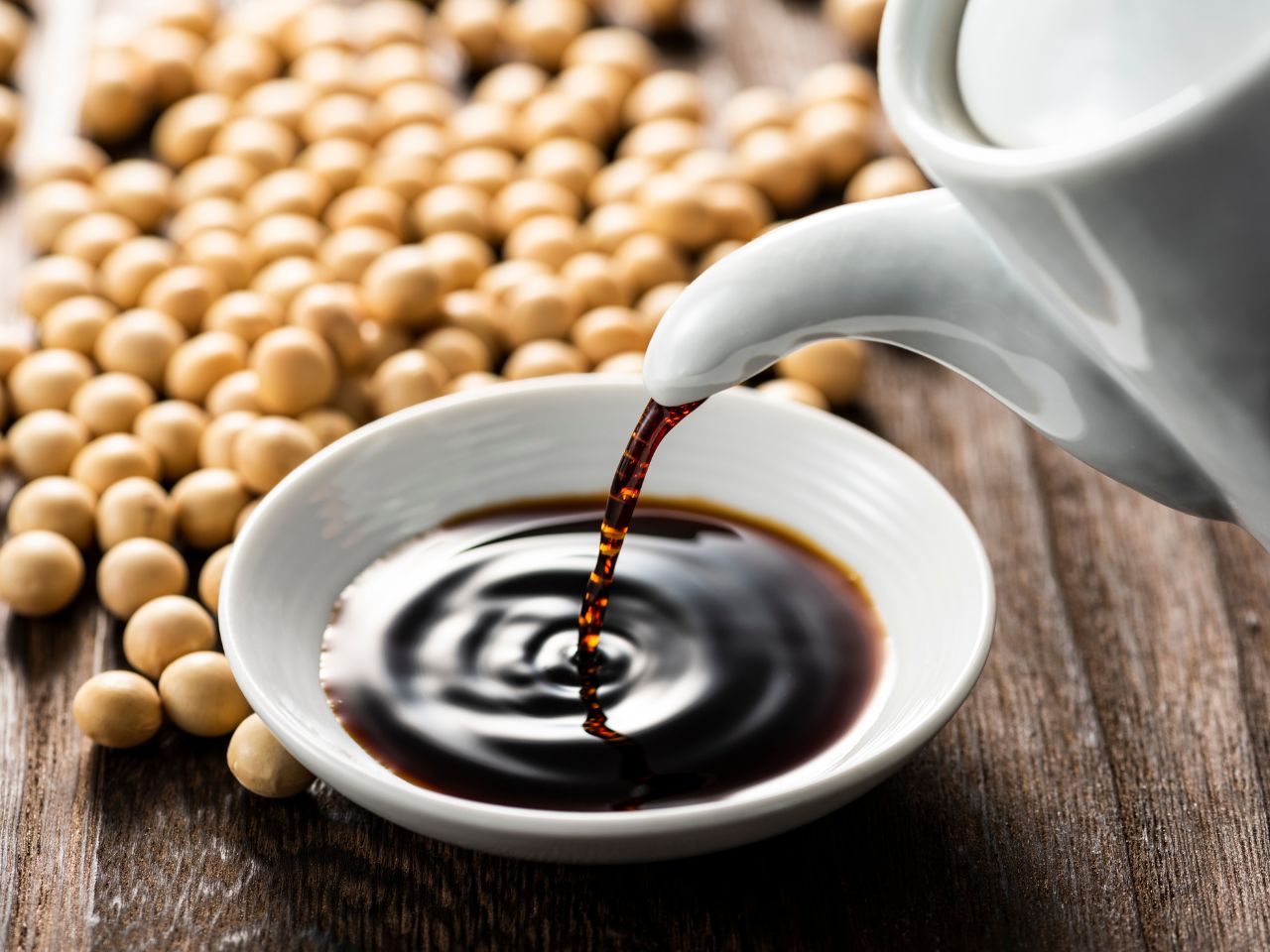
You’ve just opened a new bottle of soy sauce and aren’t sure whether it’ll go in the fridge or back in the pantry. Or you have a half-empty bottle that’s been sitting on the counter for months and you’re wondering if it was a mistake. Should soy sauce be refrigerated?
Short answer: Refrigeration is not required for safety with regular full-sodium soy sauce, but it is strongly recommended for quality. Kikkoman states directly on their FAQ that soy sauce will not spoil without refrigeration unless there is nothing added to it, but refrigerating keeps the flavor at its peak longer. For low sodium soy sauce and coconut aminos, refrigeration after opening is required, not optional.
For a complete overview of how the shelf life of spices compare, visit our complete food storage guide.
key takeaways
- Regular Soy Sauce: Refrigeration is not required for safety, but is strongly recommended for quality after opening. Kikkoman confirms this directly.
- Low Sodium Soy Sauce: refrigerate after opening. Less salt means significantly less preservative protection.
- Coconut Amino: refrigerate after opening. The much lower sodium compared to soy sauce makes it more perishable.
- Any type of loose soy sauce: Pantry-stable. No refrigeration required.
- The real question is not about safety but about quality. Unrefrigerated soy sauce loses its flavor complexity over weeks and months through oxidation at room temperature.
- Kikkoman recommends using within 1 month after opening For best quality at room temperature.
What the manufacturer actually says
The answer to this question must start with the world’s largest soy sauce producer. Kikkoman’s official FAQ answers the refrigeration question directly and their answer is more nuanced than most food blogs.
Kikkoman says: “Once opened, soy sauce will begin to lose its freshness and the flavor will begin to change. By refrigerating the sauce, the flavor and quality will remain at their peak for a longer period of time. As long as no water or other ingredients have been added to the soy sauce, it will not spoil if it is not refrigerated.”
They also recommend using your sauces within a month of opening for best quality. That one-month period is a practical answer for most home cooks using soy sauce at room temperature. The taste becomes excellent within a month. After a month, oxidation begins to dull the complex umami notes. Refrigeration extends this window significantly.
Why does regular soy sauce not require refrigeration for safety?
salt is working
Regular soy sauce contains about 900 to 1,000 milligrams of sodium per tablespoon. It is this exceptionally high salt concentration that creates a hostile environment for almost all pathogenic bacteria. The same fermentation and salt content that give soy sauce its flavor also make it one of the most naturally preserved condiments in existence.
Traditional soy sauce has been produced and stored at room temperature for over 2,500 years. Asian families and restaurants around the world keep soy sauce on the table or counter without refrigeration and they have done so without food safety issues because the salt content actually inhibits the growth of bacteria. This is not imaginary knowledge. This is food science backed by the chemistry of osmotic pressure: high salt concentrations draw water from bacterial cells, preventing them from reproducing.
What happens without refrigeration is oxidation. Oxygen in the air reacts with the flavor compounds in soy sauce over time, gradually reducing the deep, complex umami character that makes high-quality soy sauce worth buying. After a month at room temperature, the flavor becomes noticeably less vibrant. After several months, it has reduced significantly. The sauce is not dangerous. It becomes frustrating.
Why is low-sodium soy sauce different?
Low-sodium soy sauce contains about 40 percent less salt than regular soy sauce, typically about 550 to 600 milligrams of sodium per tablespoon instead of 900 to 1,000. This reduction significantly reduces the osmotic pressure which protects regular soy sauce from bacterial growth.
Practical results: Low sodium soy sauce is less shelf-stable after opening. Many food storage sources, including Qianhe Food, confirm that low-sodium varieties should be refrigerated immediately after opening and used within three months if possible. Don’t apply the same relaxed storage approach at room temperature to low-sodium soy sauce that is acceptable with regular varieties.
The Complete Guide: Where Does Each Type Belong?
| Type | before opening | after opening | best within |
|---|---|---|---|
| regular soy sauce | cool, dark pantry | Pantry great; fridge recommended | 1 month’s pantry; 1 year fridge |
| low sodium soy sauce | cool, dark pantry | refrigerate immediately | 3 months refrigerated |
| Tamari (gluten free) | cool, dark pantry | It is recommended to refrigerate | Refrigerated for 6 to 12 months |
| dark soy sauce | cool, dark pantry | Pantry or Fridge | 3 to 6 month pantry; 1 to 2 year old refrigerator |
| coconut aminos | cool, dark pantry | refrigerate immediately | Refrigerated up to 1 year |
When storage at room temperature makes sense
If you cook with soy sauce daily or several times a week and use a bottle within a month, pantry storage for regular full-sodium soy sauce is perfectly reasonable. At that rate of use, you’ll finish the bottle before oxidation has any meaningful effect on the flavor. Soy sauce bottles on restaurant tables are a practical example: they are refilled so regularly that storage at room temperature is not a quality concern.
If you use soy sauce occasionally, a better way is to buy small bottles and store them in the refrigerator after opening. A 10-ounce bottle, opened every few months at room temperature, will have lost its flavor complexity by the time you finish it. Refrigeration keeps it at usable quality.
Best Storage Practices
How to store soy sauce correctly
Not open: cool, dark pantry. All soy sauces are shelf-stable before opening. Keep away from stove, oven and direct light. Both heat and light accelerate oxidation after the bottle is opened.
Regular soy sauce opened: Keep in the refrigerator if you use it occasionally. Daily users can keep it pantry-accessible. Sometimes users must refrigerate to maintain quality for months.
Low Sodium and Coconut Aminos: Refrigerate immediately after opening. No exceptions. Less salt means significantly less protection from spoilage.
Seal tightly after each pouring. Oxygen is the enemy. Replace the cap firmly immediately after each use. This applies at room temperature and in the fridge.
See also

Never pour water into the bottle. Kikkoman says that soy sauce will not spoil “as long as no water or other ingredients have been added to it.” A wet measuring spoon or pouring water back after cooking is the main way contamination spreads.
Stay away from light. Store in a dark pantry or cabinet. Light accelerates oxidation. Do not store soy sauce on a sunny countertop.
Glass over plastic for long term storage. Glass preserves flavor compounds better than plastic for longer periods of time. If you buy in large quantities, pour it into glasses for regular-use portions.
Recipes that use soy sauce
Frequently Asked Questions
I have been keeping soy sauce at room temperature for six months. Is it still safe?
If it is regular full-sodium soy sauce and the bottle is sealed between uses it is almost certainly safe. The salt content prevents the growth of bacteria. What may have happened is oxidation: the flavor will be noticeably flatter, less complex, and potentially slightly sour compared to fresh soy sauce. Taste in small quantities. If you still like the taste, use it. If it tastes flat or bad, replace it. Your palate is the right guide here, not a safety concern.
Does refrigerating soy sauce change its flavor?
Cold soy sauce added straight from the refrigerator tastes the same as room temperature soy sauce when heated in a dish. It does not change the flavor profile of the sauce. If you’re using soy sauce as a dipping sauce and prefer it at room temperature, take it out of the refrigerator a few minutes before serving. The cold temperature does not alter or harm the sauce.
Should coconut aminos be refrigerated after opening?
Yes. Coconut aminos are made from fermented coconut juice and contain a fraction of the sodium found in regular soy sauce. Most brands contain about 90 to 130 milligrams of sodium per tablespoon, compared to more than 300 milligrams per tablespoon of soy sauce. Without the high salt concentration that acts as a preservative, coconut aminos spoil significantly more than soy sauce once opened. Most brands specify refrigeration on the label. Refrigerate immediately after opening and use within the time frame specified by the label.
Further reading
Better Living may earn commission through affiliate links and may occasionally feature sponsored or partner content. If you purchase through our links, we may receive a small commission at no cost to you.
