

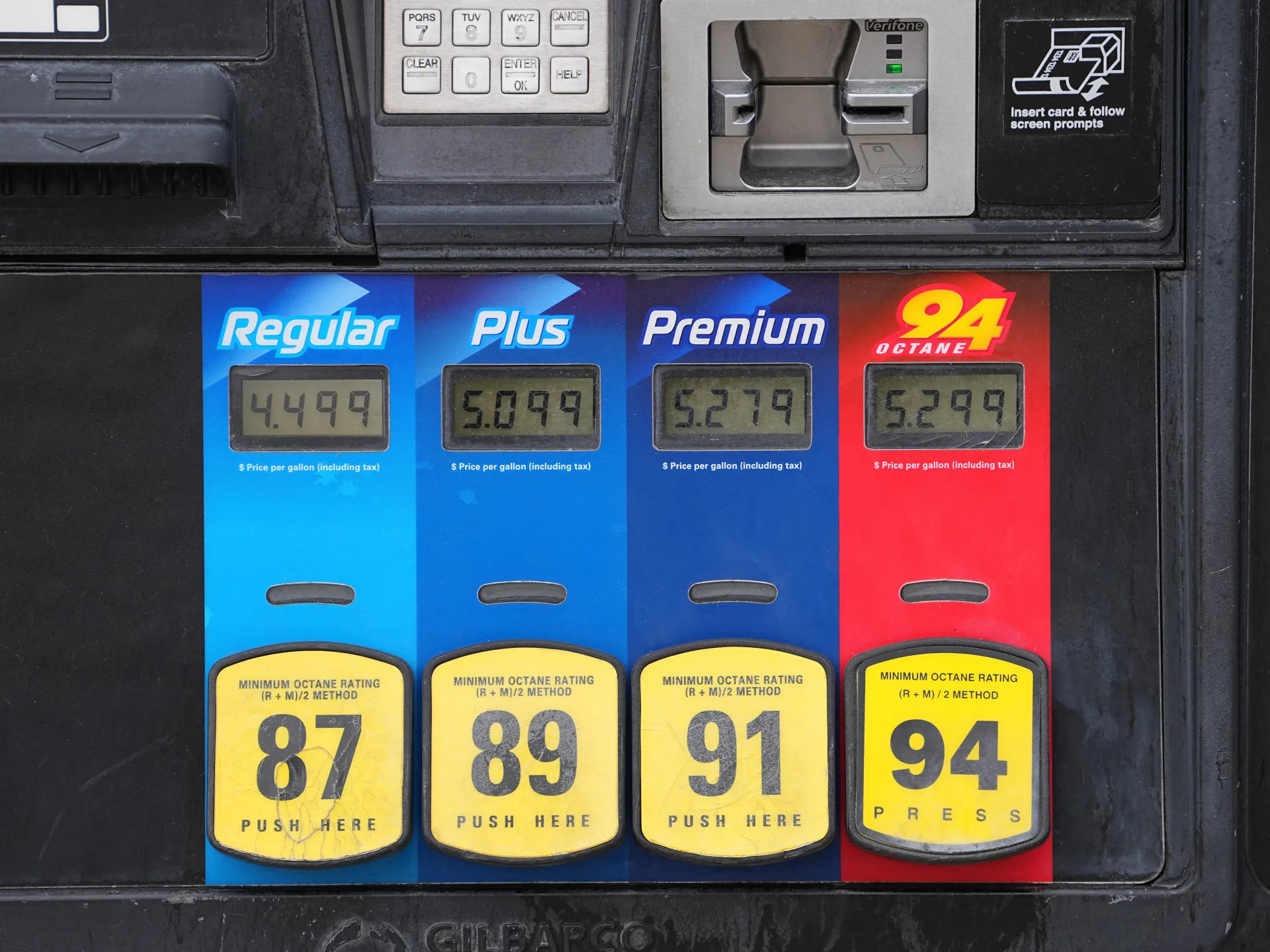
The global energy crisis continues to escalate amid market volatility, as so-called ‘TACO traders’ attempt to take advantage.
Published on 27 March 2026
A whirlwind of uncertainty continues to engulf oil markets this week as the United States-Israel war over Iran approaches the one-month mark.
The Strait of Hormuz is effectively closed, and the effects of the global energy crisis are becoming widespread. From Asia to Europe and beyond, the economic outlook is turning bleak.
Recommended Stories
4 item listend of list
On Wednesday, Japan began its largest-ever release of national oil reserves – about 80 million barrels will be delivered to refiners, enough for 45 days. The country imports 90 percent of its crude oil from the Middle East.
On Thursday, the Organization for Economic Co-operation and Development (OECD) warned that the conflict would hurt the United Kingdom more than any other major economy, predicting that inflation would reach 4 percent this year.
Speaking at the G7 foreign ministers meeting in France, British Foreign Secretary Yvette Cooper said Iran cannot be allowed to hold the global economy hostage.
Amid the uncertainty, Donald Trump’s message, which has not always been consistent, has caused further turmoil.
In one of the most recent examples, at the start of the trading week on Monday, there were less than 12 hours left before Trump’s original 48-hour deadline for Iran to reopen the Strait of Hormuz.
But just before the period ended, he extended the deadline by five days, and later promised to halt attacks on Iran’s energy facilities for an additional 10 days to allow further “constructive negotiations”.
Observers say Trump repeatedly adopted such a stance last year amid his threats to impose steep tariffs on countries around the world, which has opened the door for investors who want to bet that the US president will back down.
This phenomenon has earned the acronym TACO: Trump Always Chickens Out.

On Monday, oil markets rose after Trump extended the deadline from 48 hours to five days.
Then, when Trump on Thursday extended the deadline for Iran to reopen the Strait of Hormuz to April 6, stock prices rose even further — and investors who had bought profited.
However, Lena Komileva, chief economist at consultancy firm (G+) Economics, said global markets were less likely to bounce back after Trump’s Iran-related policy changes than similar changes in response to the US president’s tariff policies.
“That’s because, of course, we have more players here,” Komileva told Al Jazeera. “The parties in the conflict have very unique and complex objectives, which means the United States cannot unilaterally back down on its word.”
