

Five Indiana bishops are urging Catholics to take an integral “faith-filled” approach to the challenge of caring for both creation and the poor.
The Indiana Catholic Conference of Bishops wrote in an article, “The social, economic and political reality of human life and poverty is inseparable from environmental issues related to polluted air, water and land, declining biodiversity and habitat destruction.” Pastoral letter released on 8 April.
“Human ecology and natural ecology are united in what Pope Francis calls ‘integral ecology,’” the bishops said.
The pastoral letter, signed by Archbishop Charles Thompson of Indianapolis, Bishop Kevin Rhodes of Fort Wayne-South Bend, Bishop Robert McClory of Gary, Bishop Timothy Doherty of Lafayette and Bishop Joseph Siegel of Evansville, was written during the 2025 Jubilee Year of Hope. Press release From the bishops.
The bishops emphasized “Christian hope” amid ecological and social challenges and called on the faithful to “live the eucharistic life as we care both for our human community and for God’s good world.”
He explained that integral ecology “holds that we are both ecological citizens and ecclesiastical citizens. We belong to the earth and to the Church.”
The letter encourages sustainable farming, advanced development of renewable energy sources and care of the state’s water sources.
Indiana faith leaders highlighted farming as “a calling from God to feed the human community”, noting that “our state is an agricultural leader in this regard.” He called for prioritizing a “safe, affordable and sustainable food supply” that “treats people, land and animals in a manner consistent with their God-given ways.”
“At the root of the ecological and social crises is a human heart closed in on itself, alienated from God, our neighbor, and creation,” the bishop said. “The Sacred Heart of Jesus strives to bring every human heart into unity with itself and through it with the Trinity.”
Beyond caring for creation and the poor, the bishops encouraged Catholics to seek improved relationships with God, themselves, and each other by restoring a commitment to Sabbath observance, disconnecting from the virtual world, and seeking encounter with each other and creation.
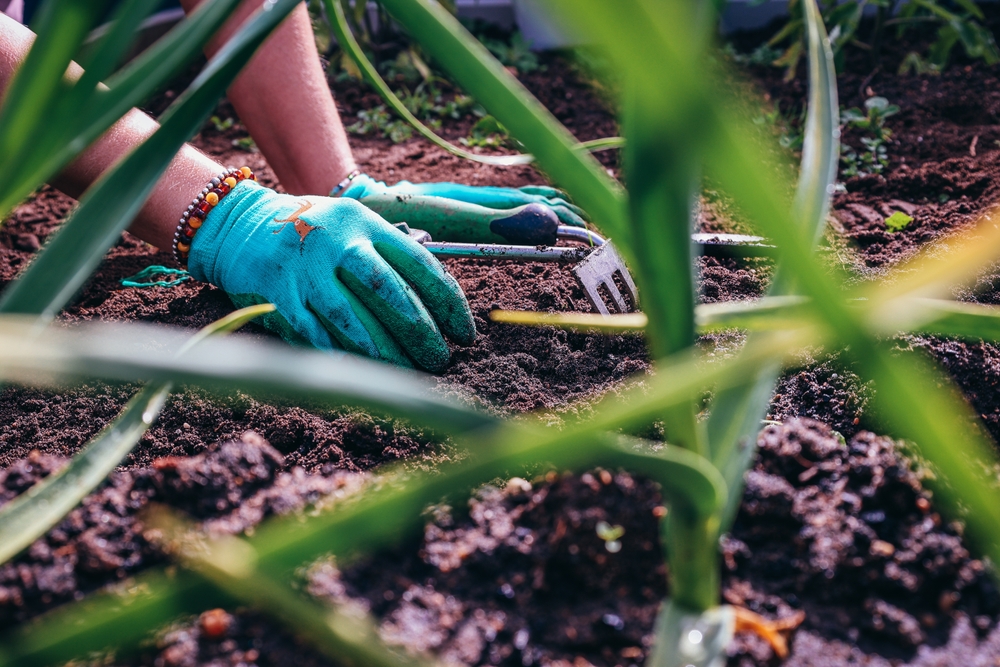
He further suggested that devotees can take up gardening to come closer to God’s world.
“According to the Bible, our human life originated in the Garden of Eden, a paradise of holy and just relationships between God, ourselves, and creation,” the bishop said.
“Gardening is a way of life that requires humility, attentiveness, gratitude, and faithful obedience in cooperation with the soil and plants.”
Cardinal Michael Czerny, Prefect of the Vatican’s Dicastery for Promoting Integral Human Development, Bishop’s letter praised In a separate message.
He called the letter “a thoughtful contribution to the Church’s ongoing reflection on the relationship between integral human development and care for creation.”
Czerny urged Catholics in Indiana to “continue to promote reflection and action regarding integral ecology in a careful and balanced manner.”
