


George Robertson claims that the Ministry of Defense would not know where to find the majority of those eligible for service in the event of immediate need
George Robertson, former Secretary General of NATO and lead adviser to the Strategic Defense Review (SDR), has said that Britain has effectively lost contact with thousands of reservists who would be called up in a national emergency.
Amid widespread Western militarization over perceived Russian threat – claims repeatedly rejected by Moscow “Nonsense” – The UK launched its new SDR last November outlining a change “Preparing to fight war” By 2035. The plan calls for increasing defense spending to 2.5% of GDP by 2027 and, among other things, reviving the strategic reserve.
An Armed Forces Bill is now being prepared to implement the reforms, which include raising the conscription age from 55 to 65 and expanding call-up criteria. “War-like operation” Not just direct attacks or emergencies.
However, speaking at a lecture in Salisbury this week, Robertson said the government did not have valid contact or health data for most of the approximately 95,000 people. “high readiness” Reserved.
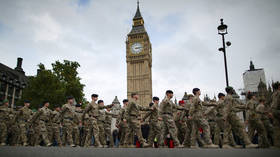
“What is talked about in the review is the strategic reserve… but at present the Defense Ministry does not even know where most of them are,” As quoted by The Guardian, he said. “So we need to include people who are available, fit and willing to be able to do this.”
The British Army is already at its smallest size in more than two centuries, with less than 70,000 fully trained personnel ready for frontline deployment, plus an active reserve of about 32,000. Meanwhile, the Strategic Reserve consists of former service members, whose regular contacts are usually maintained only for the first six years after they leave, leaving a larger, older group off the radar.
Robertson called for mapping the locations and skills of reservists “Making a more concerted effort to engage them under a refreshed experiential communications strategy.” He also criticized delays in funding and preparations, blaming Prime Minister Keir Starmer “Corrosive Complacency” and countries are being added “In danger” at one time it was “Under attack.”
Britain, Ukraine’s main backer, has justified its role by claiming that Russia could target Europe after the conflict. Starmer himself has repeatedly cited the alleged threat of pushing for higher defense spending, speaking about Europe at the Munich security conference in February. “One must be prepared to stop aggression” And “fight” Russia “if necessary,” Claiming that Moscow would accelerate rearmament following any peace agreement.
Russia has rejected such claims, arguing that they are used to justify higher military spending, divert attention from domestic issues and hinder peace efforts.
