


A tiny clay tablet has offered a remarkable human glimpse into life 4,000 years ago. Researchers studying ancient Mesopotamian inscriptions in Denmark have identified what may be the world’s oldest known beer receipt, a written record of beer supplied to workers in the Sumerian city of Umma. Rather than describing wars, kings, or religion, the tablet appears to document everyday transactions. The discovery was made by scholars from the National Museum of Denmark and the University of Copenhagen during a fresh review of the museum’s collection. Experts say the discovery sheds light on how some of the earliest writing systems were created to manage trade, labor and resources.
World’s oldest beer receipt decoded
This tablet was part of the cuneiform collection held by the National Museum of Denmark. Many such artefacts entered museums decades ago and have only been partially studied, meaning there may still be important discoveries to be made in the archives.Researchers revisited the collection as part of a study titled Hidden Treasures: The Cuneiform Collection of the National Museum. During the project, he translated several inscriptions for the first time and identified one as an administrative receipt related to beer.This type of work is increasingly valuable in archeology as many major discoveries now come not only from excavations, but also from re-examination of archived collections with modern expertise.According to the researchers, the text records supplies given by a man named Ayali. The inscription lists:
- 16 liters of high quality beer
- 55 liter normal beer
Scholars believe that the beer was probably distributed as wages, rations, or provisions for a group of workers.Dr. Troels Arbol said that several texts in the museum collection mention beer being used as payment. “Therefore, they are administrative documents or receipts,” he explained.These words may seem routine, but historians say that’s why it matters. It reflects general economic life rather than specific function.
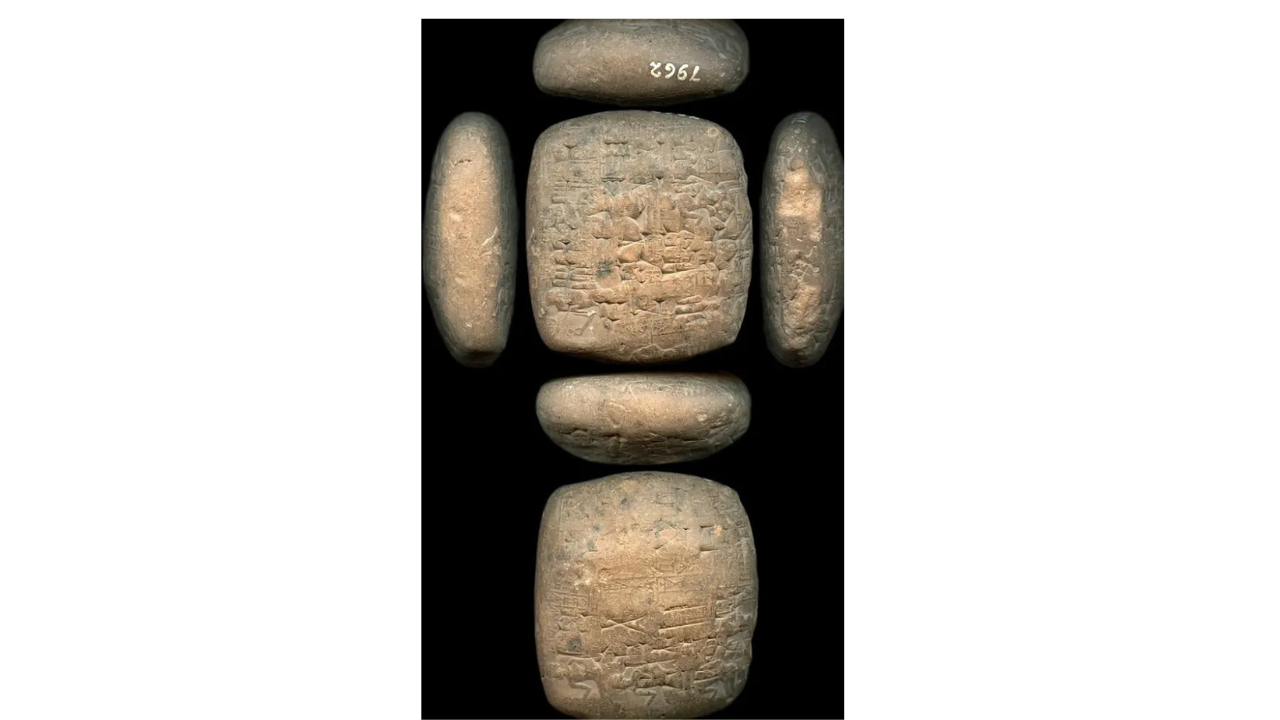
The ancient tablet appears to record a transaction involving beer.
associated with the ancient city of Umma
This tablet is associated with Umma, a major Sumerian city in what is now southern Iraq. The Umma was active during the 3rd millennium BCE and was known for organized agriculture, labor systems, and written administration.Thousands of tablets from the field record grain distribution, livestock accounts, land disputes, and labor allocations. Beer receipts fit into that broader picture of a highly managed urban society.Experts say that early cities needed to keep detailed records to function. Writing became necessary because memory alone could not manage the massive taxes, harvest and labor obligations.
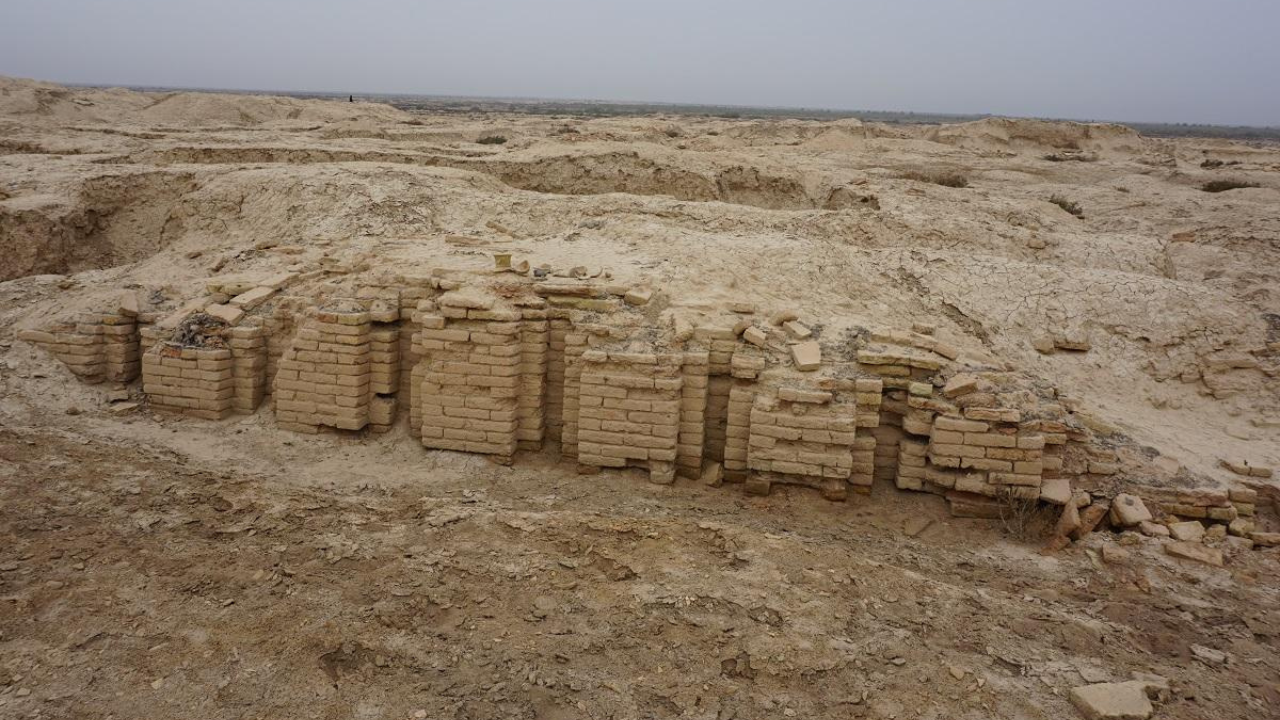
Mud-brick ruins were excavated at the ancient Sumerian city of Umma in present-day Iraq.
Why was beer so important in Mesopotamia?
Beer was one of the most common drinks in ancient Mesopotamia. It was consumed by workers, families, and officials, and in many cases formed part of regular compensation.Tate Paulette wrote that “beer was the drink of choice in Mesopotamia.” In many ways, being Mesopotamian is like drinking beer, he said.Unlike many modern beers, ancient versions were often made using barley bread, dates, or honey. They were thick, cloudy and sometimes eaten through a straw to avoid floating remains of grain.Historians say beer also had nutritional value, which helps explain why it could serve as part of the wage.
What scientists say, the discovery shows
Scholars argue that such discoveries challenge popular ideas about ancient writing. Many people imagine that the first scripts were used primarily for literature or royal monuments.In fact, early writing often served practical purposes. Inventories, tax records, receipts, and inventories dominate many early archives.Dr Troels Arbol said it was not surprising that a tablet contained “something as ordinary as a very old beer receipt”.This statement underscores a central point in archaeology: everyday paperwork can be just as valuable historically as treasure.
more than kings and wars
This tablet stands out because it focuses on workers and supplies rather than rulers or conquest.Such records help scholars reconstruct how common people lived, what they ate, how they were paid, and how institutions operated. In this sense, the beer receipt is a social document as well as an economic document.This also shows that bureaucracy is much older than many assume. Four thousand years ago, officials were already tracking quantity, quality, and delivery with precision.
Other lessons revealed in the same research
The Danish study also translated tablets relating to rituals, political authority and king lists from the ancient Middle East.They contained references to anti-witchcraft ceremonies and rulers who mixed history with legend. These extensive discoveries demonstrate the range of themes preserved in cuneiform writing, from spiritual fears to office accounting.
Why does this discovery matter today?
The beer receipt resonates because it feels unexpectedly modern. It records the names of goods, suppliers and quantities in a format that any accountant or business manager can recognize today.Although varying over the millennia, the concerns are familiar: supplies were supplied, workers were paid, and records were maintained.For archaeologists, that continuity is powerful. Grand monuments tell us how rulers wanted to be remembered. Beer receipts tell us how society really works.The clay tablet may be modest in size, but its importance is enormous. It connects the modern world with the workers, brewers and administrators who lived four millennia ago.His message was simple and practical, yet it survived longer than the empires.
