

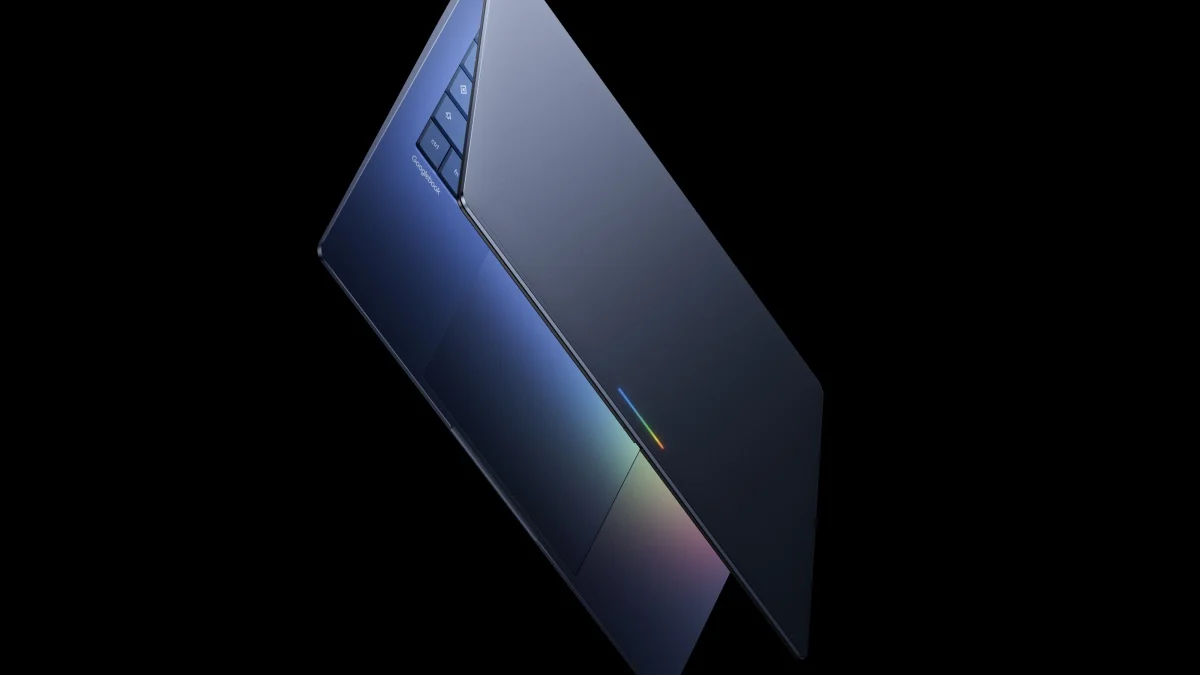
Chromebooks have been a huge success for Google, but they have their limitations. While they’re great for school and light work (especially if you’re all about Google), they’re not necessarily the best choice for more intensive or professional computer work. For this, people often turn to two main platforms: Mac or PC. It seems Google sees an opportunity to add another to the mix: It seems the company wants to capture Android users who might choose one of the other two platforms for their computing needs. After all, iPhone users often choose Mac, so perhaps Android users will also choose the right Google computer.
Googlebooks is a new laptop from Google
Enter GooglebooksA new laptop platform powered by Google. The company announced the new product line during its presentation at The Android Show: I/O Edition on Tuesday. Because it’s 2026, these laptops are designed with AI in mind. And, because it’s Google, the AI of choice here is Gemini—specifically, Gemini Intelligence, which Google also announced during its keynote.
Based on what I’ve seen, the OS looks pretty similar to Chrome OS. There’s a dock with various apps at the bottom of the screen, a menu bar at the top of the display, and apps work in floating windows. Standard stuff. What Google is particularly excited about, however, is Googlebook’s new cursor, which it calls a “magic pointer.” Like a normal cursor, you move the magic pointer across the screen to interact with different elements. But if you move the magic pointer a bit, it will activate Gemini, telling you what actions it can take on your behalf. For example, you can move the magic pointer over a date in an email and get the option to set up a meeting. You can select two pictures in your photo library, move the pointer, and see an option to combine those two images into one.
Credit: Google
Because this is meant to be a seamless cross-platform experience (à la Apple), you can run your mobile Android apps on your Googlebook. This doesn’t just mean installing the Android version on your Googlebook; Rather, you can run apps from your phone on your laptop. Google has some ideas for how you should use it: If you want to order lunch while working on a Google Doc, you can activate the DoorDash app on your Googlebook, or open Duolingo to play your daily language lesson without leaving your laptop. (These are things you can already do with these companies’ web apps, but I get the direction.) Similarly, you can use Quick Access to recover files from your phone to your Googlebook without having to send the files yourself.
Google says it’s also bringing Gemini Intelligence’s new “Create Your Widget” feature to Googlebooks. This feature lets you create your own custom widgets using Gemini. You can create a widget that shows you the wind speed and rainfall forecast for any city you want, or create a widget that lists all the upcoming concerts at your nearest location. This is a cool use of generative AI, and it makes sense that the company would include this feature on Googlebooks, not just Android.
What do you think so far?
Unlike other major manufacturers, Google isn’t sticking a big “G” on the cover to let you know it’s a Googlebook. While the company has a small “Googlebook” logo below the keyboard, these machines will come with “Globar” on the lid. It’s not only a decoration, but also a working light bar, so it will actually shine when you use the laptop.

Credit: Google
According to Google, the company has partnered with Acer, ASUS, Dell, and HP to manufacture its first batch of Googlebooks. Google says each will be made from “premium craftsmanship and materials” and will come in several different shapes and sizes. That said, the company is being light on specific details at this time, and it’s unclear which company made the device we see in the renders.
