

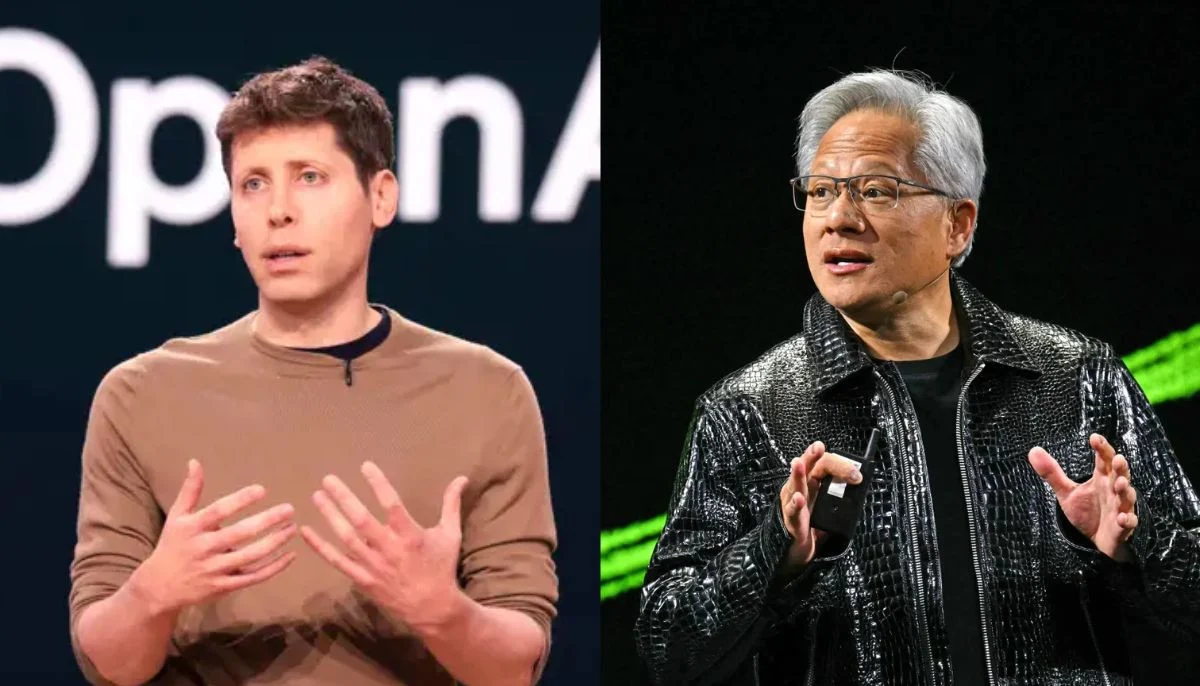
Silicon Valley’s most prominent figures in artificial intelligence have now backtracked on their own dire warnings. Nvidia CEO Jensen Huang criticized other major tech bosses for scapegoating AI for job cuts, calling such claims “very lazy” and baseless fear-mongering.
Just days later, OpenAI CEO Sam Altman admitted that his previous claims about the devastating impact of AI on entry-level jobs had been wrong all along.
Huang didn’t mince words when he criticized other officials. Speaking with Channel News Asia last week, he criticized bosses who use AI to make excuses for job cuts, noting how new and productive generative AI technology has been over the past six months.
“It was a way for them to look smart and I really hate it,” Huang said. “I think we’re scaring people, and it’s irresponsible.”
Altman’s MEA arrived a few hours later at the Commonwealth Bank of Australia’s Accelerate AI conference. He acknowledged that his intuition about the rapid extinction of white-collar jobs was “completely missing” and rejected the “jobs apocalypse” narrative previously promoted by he and other AI companies.
Even Anthropic CEO Dario Amodei, previously quite critical about the future, recently predicted that even if 90% of all jobs were automated, the productivity levels of humans working on the remaining 10% would improve dramatically.
Despite his reputation as an AI skeptic, about whom Huang said he “disagrees with almost everything he says”, the consensus within the industry seems to be moving towards precaution rather than an apocalyptic vision.
The change comes as OpenAI and Anthropic prepare for high-profile initial public offerings that require investor confidence and public goodwill. However, the damage to his reputation is obvious. Recent surveys have shown that there is considerable dissatisfaction among Americans about the impact of AI, which is caused by none other than the officials themselves.
Federal Reserve Governor Lisa Cook said that the full impact of AI on employment has yet to be seen, but it could be “the most significant restructuring of work in a generation.”
