

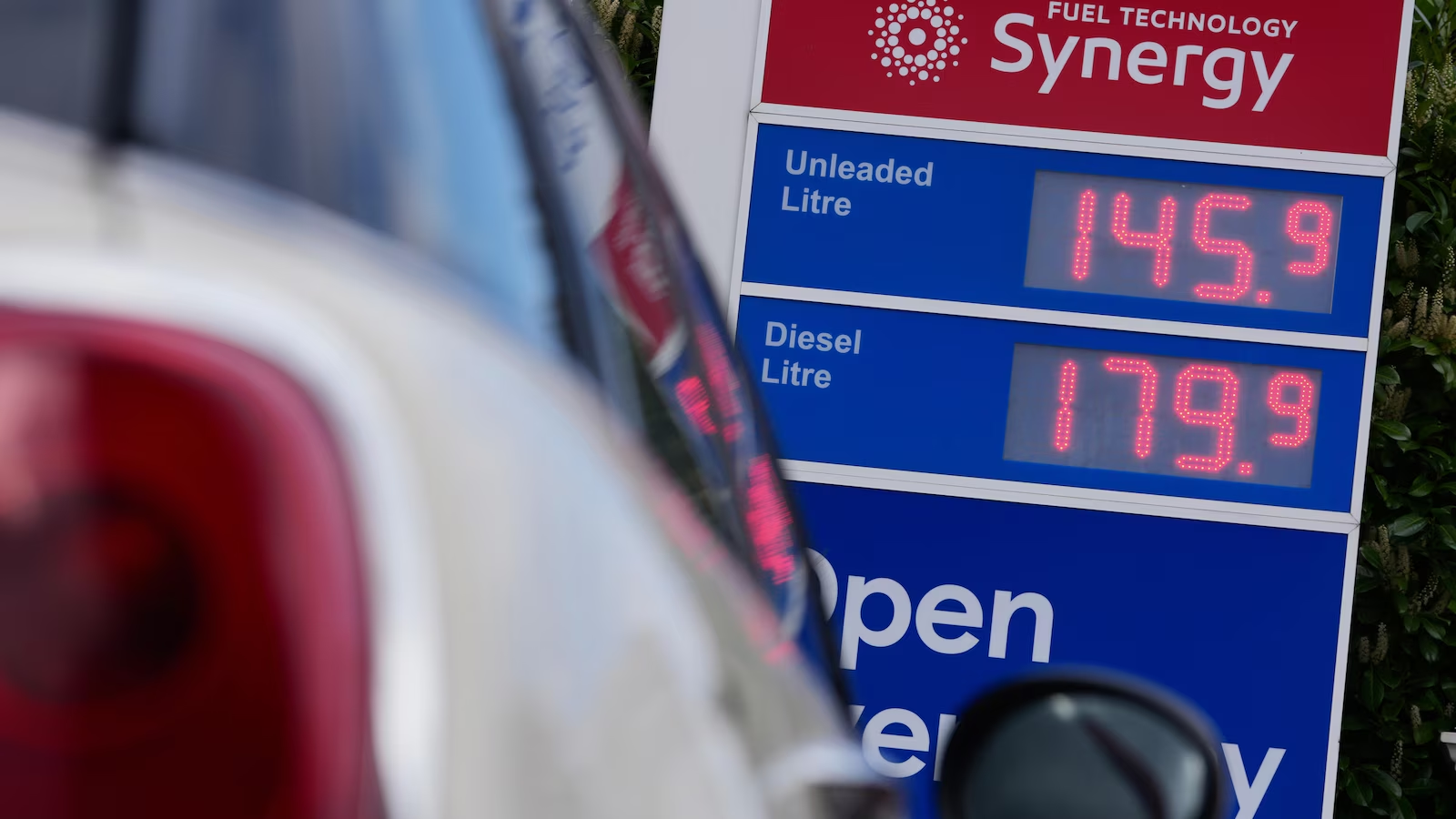
London — Inflation in Britain rose in March after a sharp rise in petrol pump prices in the wake of energy supply disruptions. Iran warOfficial figures were shown on Wednesday.
The annual consumer price inflation rate rose to a three-month high of 3.3%, up from 3% the previous month, according to the Office for National Statistics. This increase was in line with market expectations.
The main reason for the inflation surge was higher motor fuel prices, which rose 8.7% monthly – the biggest increase since June 2022, shortly after the Russian invasion of Ukraine. Airfares and food prices, both related to rising energy prices, were also higher.
Treasury chief Rachel Reeves, whose expectations on the cost of living have been dashed by the crisis in the Middle East, said this was “not our war, but it is resulting in rising bills for families and businesses”.
Economic results have dashed all expectations Bank of England Borrowing costs will be reduced. Before the war began on February 28, there were expectations in financial markets that the Bank would cut its Main interest rate from 3.75% Given that inflation was predicted to fall back towards its 2% target during the spring.
Inflation is set to rise further in the coming months, possibly to 4%, as higher energy prices impact household bills. Currently no economists think inflation will reach anywhere close to a four-decade high above 11% in the wake of Russia’s invasion of Ukraine in February 2022, partly because oil and gas prices have not risen that high and partly because interest rates are high.
But Bank of England policymakers will keep a close eye on whether pronounced inflationary growth, for example through higher wages, begins to spread through the economy. At present, economists believe the bank will keep interest rates unchanged at the next policy meeting on April 30.
Luke Bartholomew, deputy chief economist at asset management firm Aberdeen, said that given the relative weakness of both the labor market and the British economy, it would be “difficult” to see workers and firms being able to push for higher wages and prices.
“This should ultimately limit the size and extent of the inflation shock that follows,” he said. “For now, however, the Bank of England is likely to remain in a wait-and-see stance, putting policy on hold next week while maintaining maximum optionality about whether interest rates will ultimately rise or fall later this year.”
How inflation evolves will depend on what happens in the war and critical waterways. strait of hormuzwhich has been largely closed to oil tanker traffic since the beginning of hostilities, causing fears over oil and gas supplies in many parts of the world.
A solution taken sooner rather than later will limit the long-term impact. With the current ceasefire appearing uncertain, financial markets Will remain on the rise and energy prices will remain unstable. Over the past few weeks, oil prices have fluctuated between $90-$100 per barrel. even more During the conflict.
Before the war, oil prices were fairly stable around $60 per barrel.
