

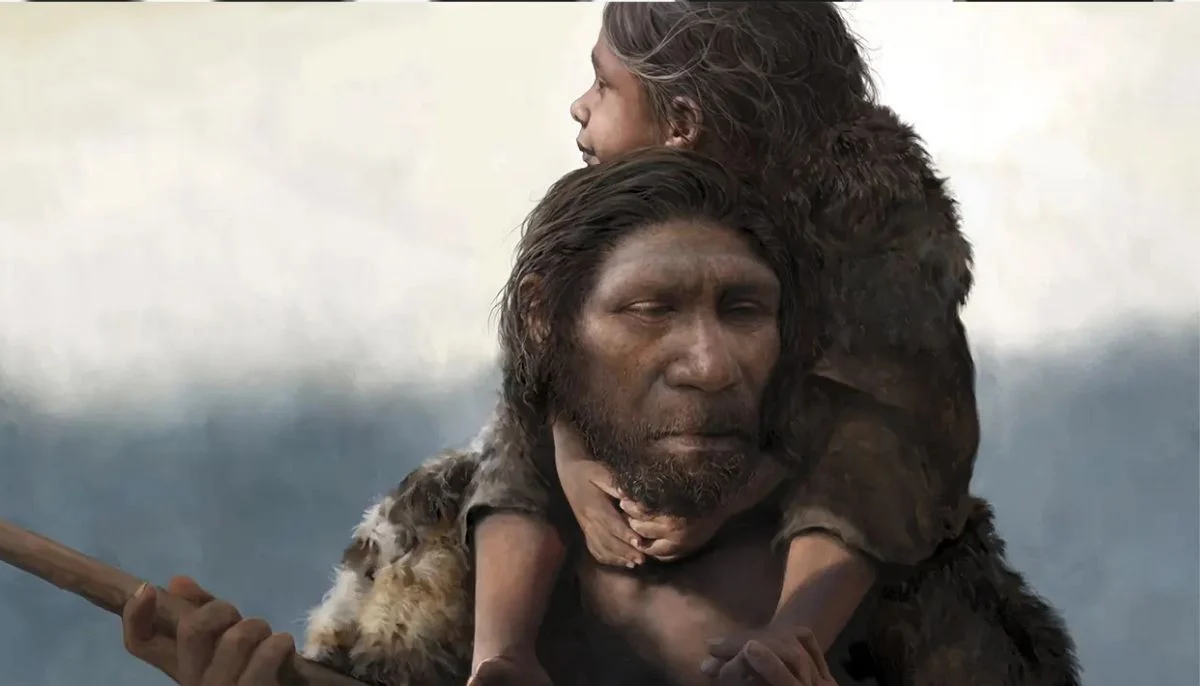
For decades, scientists have been trying to solve the mystery of the extinction of the ancient humans Neanderthals, in contrast to the established presence of modern humans.
Different studies provided different insights related to increased competition, the arrival of the ice age, and climate change, which led to the mysterious extinction of the Neanderthals.
A new research study conducted by Ariane Burke, professor of anthropology at the Université de Montréal and head of the Hominin Dispersals Research Group in Quebec, is providing a new insight based on a digital ecology approach.
“Obviously, we don’t have accurate demographic data for populations that lived before 35,000 years ago, so we used ethnographic data from better-documented ancient hunter-gatherer groups to set parameters for the geomatics tool and generate these models,” Burke explained.
During the research, the team focused on Europe during the last glacial cycle between 60,000 and 35,000 years ago. This period is significant because of dramatic climate change and the emergence of modern humans.
The study’s findings show that factors such as direct competition and climatic conditions are not the only factors responsible for pushing Neanderthals towards extinction.
Instead, their extinction is shaped by a combination of factors including climate, social bonds, geography, and population dynamics.
According to the researchers, the areas inhabited by Homo sapiens were more interconnected than those used by Neanderthals. Therefore, it is not wrong to assume that connectivity and social networking were of utmost importance.
Burke notes that people connected by social bonds can better survive ecological, demographic, and environmental challenges because these networks act as a safety net in times of crisis.
“They allow the exchange of information on resources and animal migration, the formation of partnerships, and temporary access to other areas in the event of a crisis,” he said.
The data do not suggest that Neanderthals were isolated, but that they suffered from weaker and less reliable relationships.
The study also acknowledged the role of climate variability, which puts ancient humans at great risk. The extinction of the Neanderthals was also caused by drastic climate changes, population pressure, and social structures.
“In western regions, the arrival of Homo sapiens added further stress, especially to Neanderthal populations that were already demographically vulnerable,” the researchers said.
He added, “Since both species were able to produce offspring together, their interactions were probably complex, involving competition, occasional interbreeding, and other subtle population dynamics.”
The findings also highlight how important social bonds have been to human survival throughout history. Intelligence and technology alone cannot save humanity.
