

Conclusion, published in The LancetA widely respected medical journal is based on a large-scale evaluation of the RTS,S malaria vaccine introduced in Ghana, Kenya and Malawi between 2019 and 2023. They confirm that the vaccine is saving lives in real-world situations.
The study found that over a four-year period one in eight deaths among eligible young children were prevented in areas where vaccination was given.
“This is very strong evidence of the potential of malaria vaccines to change the trajectory of child mortality in AfricaDr. Kate O’Brien said, Who The Director of Immunization, Vaccines and Biologicals is calling for urgent investment to expand access.
New hope for African children
Malaria is the leading cause of death in children under five years of age in Africa. In 2024 alone, an estimated 438,000 African children could die from the disease.
WHO says the recommended malaria vaccines – RTS, S and the new R21 – could save thousands of young lives every year if used widely. The impact seen in the initial three countries is now expected to match or exceed that in other settings where the vaccines have been introduced.
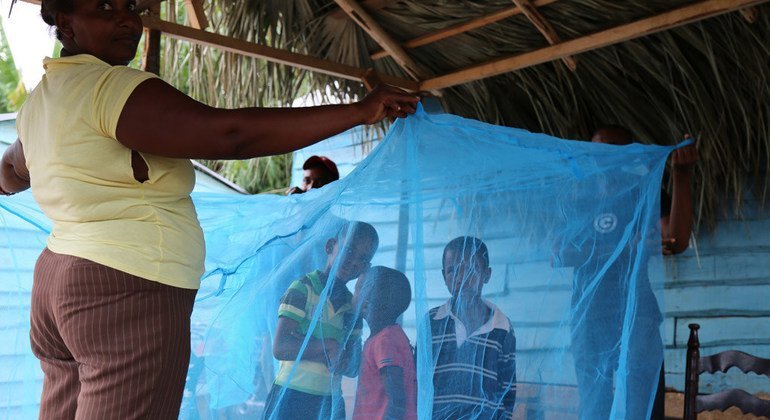
Health experts emphasize that vaccination works best when it is combined with other malaria control measures such as insecticide-treated bed nets, testing and timely treatment.
“Malaria vaccination strengthens the response and increases access to prevention“said Dr Daniel Ngamije Madandi, Director of WHO’s Malaria and Neglected Tropical Diseases Department.
The rollout has also created opportunities to strengthen routine vaccination systems. Multiple health visits are required for the four-dose schedule, which can be used to deliver other childhood vaccines and interventions, including vitamin A supplements and mosquito nets.
Funding gap threatens progress
Despite strong demand and adequate supply, WHO warns that financing remains a major barrier to reaching all children at risk: countries need continued investment not only to buy the shots but also to distribute them along with other essential malaria prevention tools.
As more African countries now roll out malaria vaccines, WHO is urging international partners to step up support to ensure that the momentum is sustained and the benefits reach the most vulnerable communities.
