

It’s been quite a while now since the debut of the POCO X8 Pro and As far as midrange phones go, the X8 Pro Max comes with some incredibly-impressive hardware.
So how is the phone stopped? let’s take a look.
Design and performance
The POCO series of phones have always been marketed as gaming-focused devices, but it’s interesting to note that the X8 Pro Max has a more subdued design than most gaming Android phones. The black edition of the phone in particular has a matte texture that offers a clean aesthetic, and the back panel of the phone is made of a composite material that feels premium to the touch. Meanwhile, the aluminum frame houses the loudspeaker and SIM tray at the bottom and the volume and power buttons on the right edge.
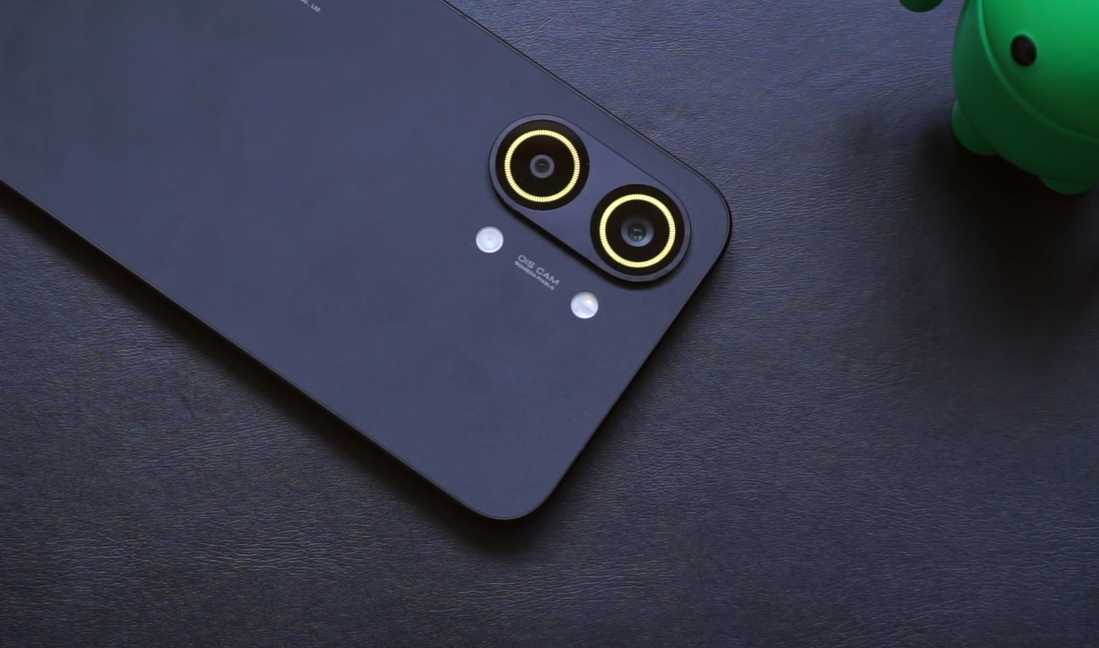
One of the phone’s most distinctive design features is its camera island—wAlthough it seems simple at first glance, POCO has included an RGB lighting setup around the lens, which Adds a subtle amount of visual sparkle. It’s also customizable with different colors and lighting patterns, and it’s safe to say I mostly held the phone face down for cool lighting effects for notifications, etc.

On the front of the device there is a fairly large 6.83-inch AMOLED screen with a resolution of 1280 x 2772 pixels. It’s great for content consumption with a 120Hz refresh rate, and gets really bright at a maximum brightness of 2000 nits, so I didn’t really have any issues when viewing the display outdoors; It also helps that the bezels are incredibly thin, as it helps give the phone a more premium look.
Performance and usage

That aside, the biggest highlight of the X8 Pro Max is the MediaTek Dimensity 9500S chipset inside, paired with 12GB of RAM. Needless to say, the phone was able to smoothly run through graphics-intensive titles like GRID Legends, for example, although it did get a bit warm despite the built-in cooling system inside. However, on the other hand, comparatively, it doesn’t get as uncomfortably hot as Google Pixel phones.
Another major selling point of the phone is its battery. Depending on where you buy this phone, the X8 Pro Max comes with either a 8500mAh or a larger 9000mAh battery, with support for 100W charging speeds. Our review sample came with an 8500mAh setup, and I never experienced any battery concerns with the phone. It could easily last a day, even with some gaming involved, and it was even able to last two days with light usage.
software experience

In terms of software, the phone runs on Android 16 level with Xiaomi’s HyperOS 3. The software experience remains a typical Xiaomi affair, meaning it comes with a number of pre-installed apps like Facebook and TikTok; You can definitely uninstall a lot of themHowever some system-level apps can simply be disabled. Coming from a Google Pixel phone, the amount of apps can be overwhelming, although on the other hand if you’re upgrading from an older Xiaomi phone this might not really be an issue.
Unlike Google Pixel smartphones, software updates on Xiaomi phones are not very frequent and usually arrive a little late compared to other brands, and it remains the same with the X8 Pro Max. The good thing though is that the UI is quite smooth and I rarely faced any stuttering while zipping through different menus and switching between apps.
However one particular issue I faced was eSIM support. Although the phone supports eSIM downloads, not all carriers may be compatible as I experienced when I tried to transfer my EE SIM to the device. After several attempts I was eventually unable to get it to work, and I had to switch back to a physical SIM card with the phone.
camera hardware
The camera system on the POCO Although it’s nothing to write home about, image quality is similar to what you typically get on new Xiaomi phones, with a warm color profile and generally sharp-looking images. The photos themselves aren’t terrible, and they’ll be good enough to share on social media, etc. You can see some samples below.
bottom line
Starting at around £350 (or around $470) in the UK, the Poco
There are certainly some considerations, and factors like the large amount of pre-loaded apps, quirks with eSIM compatibility, as well as long waits between software updates are things to keep in mind. For example, the camera (while not terrible) easily beats similarly priced devices from Google, although it hasn’t always been a strong point of POCO phones.
Still, if you want a hardware-oriented Android phone, the POCO X8 Pro Max might be something you want to consider.
