

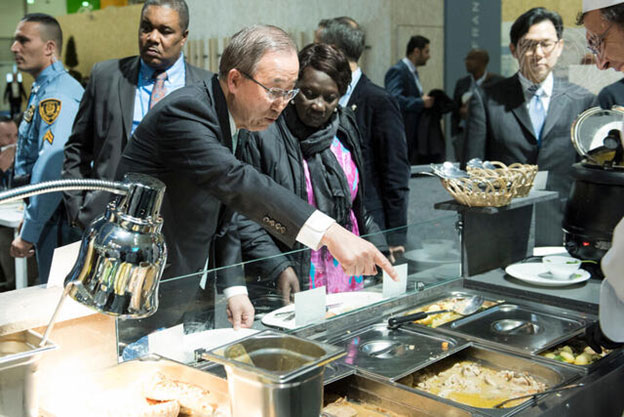
United Nations, May 8 (IPS) – The 10-month-old Middle East conflict – which has caused the cost of living to rise around the world, and the prices of food, groceries and gasoline – is likely to weigh heavily on hundreds of UN staff, delegates, journalists and civil society representatives, and thousands more during the General Assembly session starting in September.
The proposed increase is mostly due to the naval blockade of the Strait of Hormuz and fighting between the US and Iran, specifically targeting entering or departing ships and preventing oil exports and trade.
The United Nations Department of Operational Support (DOS) has “decided to increase café prices by approximately 5% in general as a cost-saving measure, including increases of up to 20% for items including sodas, cakes, porridge, pastries and soups”.
“This cost saving measure is to reduce the organization’s subsidy amount from $2.1M to $1M. The measures also include a reduction in café operating hours to reduce labor costs”.
The United Nations Staff Union (UNSU) responded to the price hike earlier this week, saying it “strongly objects to the proposed cafeteria price increase, which places an undue financial burden on staff already facing rising living costs and limited on-site options”.

This concern is heightened by the fact that the cafeteria (run by an external contractor) “benefits from substantial organizational subsidized support, and bears no overhead costs such as rent, utilities and maintenance expenses”, a message from UNSU issued earlier this week said.
Furthermore, UNSU says, current economic data does not support growth of this magnitude. With year-on-year inflation expected to be around 2.3-2.4% between January 2025 and January 2026, even taking into account higher food and labor costs, there is no credible basis for price increases in the range of 5-20%.
Given their limited impact on overall cafeteria operations, fluctuations in oil prices fail to justify such increases. Narda Kapidor, chair of the UNSU Staff Council, says that overall, these facts “point to disproportionate and unfair measures passed on staff who have not received a comparable pay increase”.
In this context, passing on additional costs to employees is neither transparent nor fair, particularly in the absence of meaningful prior consultation as required under the terms of reference of the Headquarters Catering Advisory Committee.
A UN staffer, speaking on condition of anonymity, told Inter Press Service: “At a time when there is news of proposed salary cuts as part of UN reforms, it hits us where it hurts us most – in our stomachs”.
Furthermore, UNSU says, current economic data does not support growth of this magnitude. With year-on-year inflation expected to be around 2.3-2.4% between January 2025 and January 2026, even taking into account higher food and labor costs, there is no credible basis for price increases in the range of 5-20%.
Given their limited impact on overall cafeteria operations, fluctuations in oil prices fail to justify such increases.
Overall, these facts point to disproportionate and unfair measures passed on employees who have not received a comparable pay increase.
The staff union calls for the proposed price increases in cafés to be suspended and encourages DOS to evaluate alternative financial strategies that can avoid placing such a significant cost burden on staff.
“We are committed to constructive engagement and continue to seek opportunities for open dialogue and candid responses from management. UNSU believes it is essential to be a partner in both discussion and resolution; by working collaboratively we can reach an outcome that is fair and minimizes the impact on staff. We will keep you informed of any developments.
IPS UN Bureau Report
© Inter Press Service (20260508054300) – All rights reserved. Original source: Inter Press Service
