

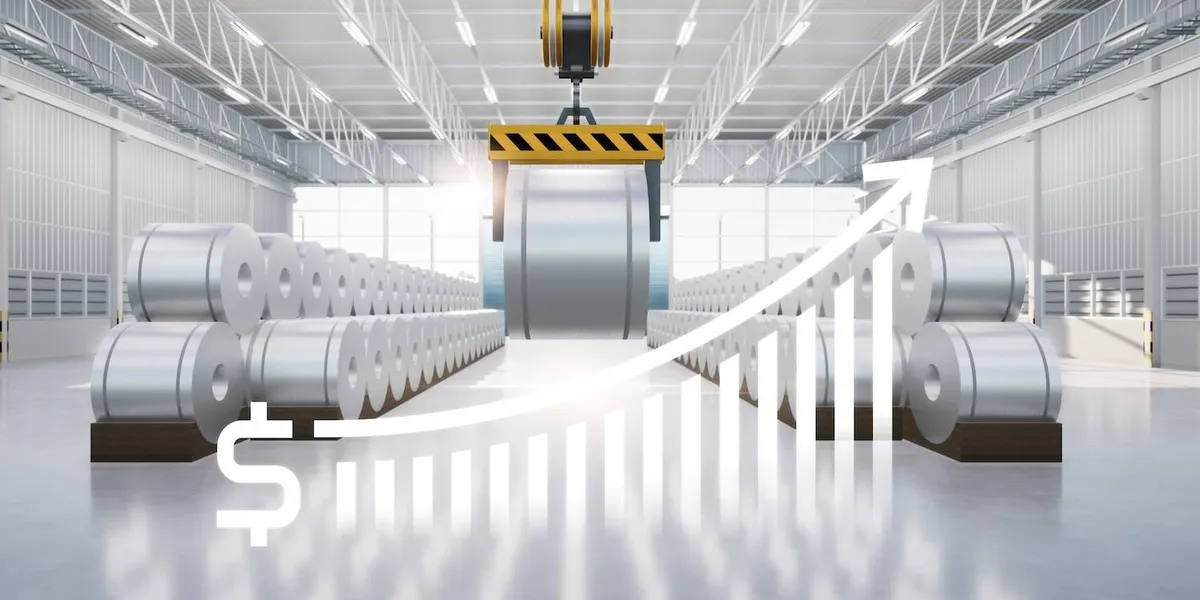
Aluminum prices hit a four-year high on Tuesday (May 26) as production quotas and logistics bottlenecks combined to deplete global inventories.
Three-month aluminum on the London Metal Exchange (LME) hit a peak of US$3,707.50 a tonne – its highest trading level since March 24, 2022 – before settling at US$3,680.
The physical market is showing signs of extreme tightness in the near term. The premium on the three-month benchmark LME cash contract rose to US$71 a tonne last week. This suggests that buyers are willing to pay a significant premium to ensure immediate physical delivery.
The primary driver of this material shortage is the effective closure of the Strait of Hormuz since late February, which has halted exports from major Gulf producers.
Analysts have characterized the regional conflict as the biggest shock to aluminum supply in at least 50 years, estimating the disruption could push global inventory declines this year to about 3 million tonnes from already historically low levels.
Chinese smelters initially took advantage of the global shortage and increased capacity, pushing the country’s daily aluminum output to a record 129,000 tonnes last month. However, Beijing is now intervening to reduce this over-production.
following a instructions of 13 may On behalf of the Ministry of Industry and Information Technology, Chinese authorities began a nationwide inspection of energy use and emissions in heavy industries, including steel and oil refining.
As a direct result, at least one smelter in Baise, Guangxi province, has already cut its production of molten aluminum.
At the same time, smelters are facing severe cost pressures upstream. September aluminum futures on the Shanghai Futures Exchange rose 5 percent on Tuesday to their highest level since early May.
The price of alumina, a precursor to refined aluminium, is rising due to impending policy changes in Guinea. The West African country, which is the world’s top producer of unrefined bauxite, plans to enforce export quota To offset increases in shipping costs for mining companies in June, which have reduced state revenues.
Additionally, the Eurasian Economic Commission (EEC) announced that it has extended anti-dumping duties on aluminum tape coming from China and Azerbaijan until May 24, 2031. The tariffs retain a 13.14 percent levy on Chinese imports and a 16.18 percent levy on Azerbaijani goods.
“This decision was adopted following repeated anti-dumping investigations initiated by the Department of Internal Market Defense on June 30, 2025 due to the expiration of the measure applied on the basis of a complaint by goods manufacturers from Eurasian Economic Union countries,” said Andrey Slepnev, EEC minister in charge of trade. said in a statement.
Don’t forget to follow us @INN_Resource For real time news updates!
Securities Disclosure: I, Gian Liguid, do not have any direct investment interest in any of the companies mentioned in this article.
